 Largo Siding
 Oldsmar's Location Puts Extra Demands on Siding
Oldsmar sits along Old Tampa Bay in Pinellas County, and that waterfront position matters more than most homeowners realize when it comes to exterior cladding. Salt-laden air moves off the bay and settles on everything it touches, including the siding on homes set back several blocks from the water. Add in Florida's punishing UV exposure, the wind-driven rain that comes with almost every summer thunderstorm, and the hurricane-force gusts that Pinellas County has to plan for every season, and you have a climate that is genuinely tough on building materials — not a marketing exaggeration, just physics.
Siding here isn't just a cosmetic layer. It's the primary barrier protecting the wood framing, sheathing, and interior of the house from moisture intrusion, and it takes a steady beating from sun and salt every single day it's up. When siding is chosen or installed without that reality in mind, problems show up faster than they would in a milder climate.
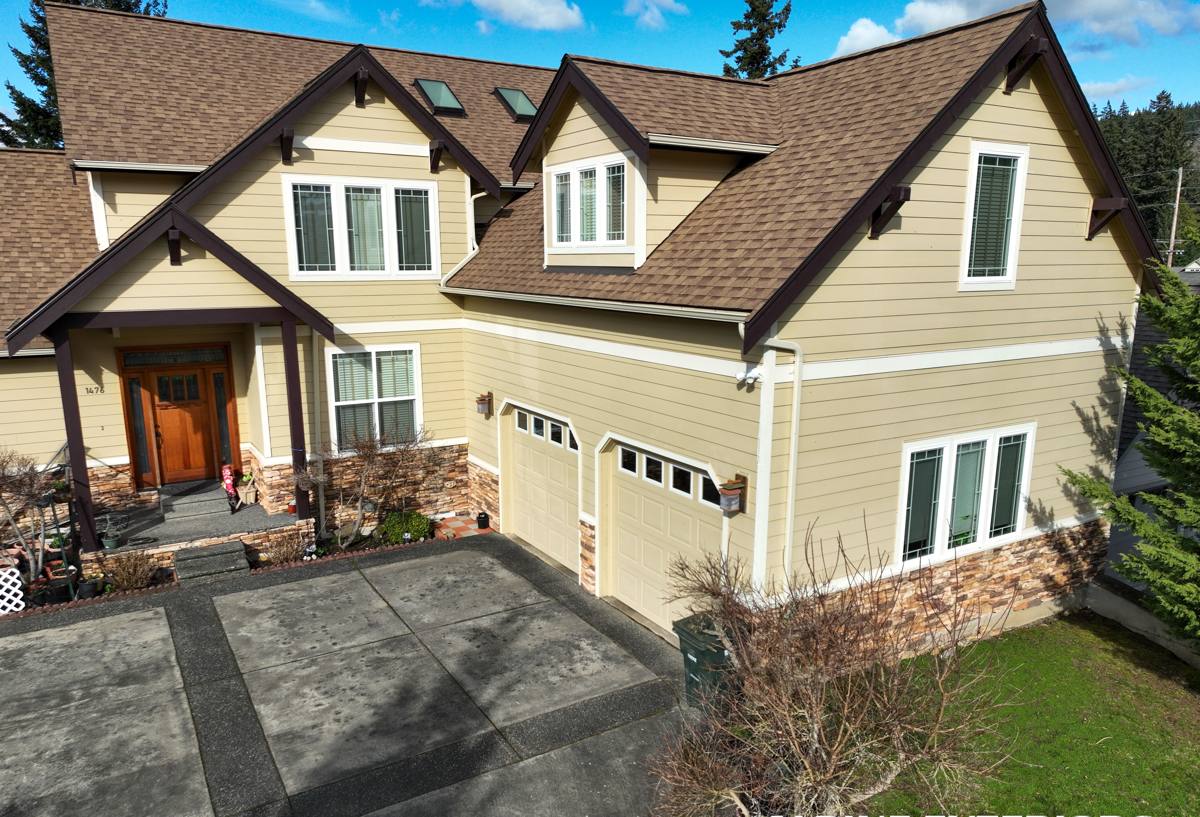
Signs an Oldsmar Home's Siding Has Reached the End of Its Life
Siding failure in this climate rarely happens all at once. It shows up gradually, and homeowners often live with early warning signs for years before addressing them. Watch for:
- Soft or spongy spots when you press on the siding, especially near the bottom courses and around window and door trim
- Visible warping, buckling, or panels that no longer sit flat against the wall
- Paint that's peeling, bubbling, or needing repainting far more often than it used to
- Cracks or gaps at seams and corners where wind-driven rain can work its way behind the cladding
- A musty smell or visible staining on interior walls that share an exterior wall with suspect siding
- Visible mildew or algae streaking that keeps coming back no matter how often it's cleaned
Any one of these on its own might just mean a repair. Several at once, especially on a home that's 15-20+ years old, usually means the siding system itself has reached the point where replacement is the more honest recommendation than another round of patchwork.
What a Correct Siding Replacement Actually Involves
It starts underneath the siding, not with the siding itself
The panels or planks you see are the last thing installed, not the most important thing. A correct replacement starts with full tear-off of the old material, an inspection of the sheathing underneath for rot or water damage, and repair of anything compromised before a single new piece goes up. Skipping this step is the single most common reason a "new" siding job fails within a few years — new siding over damaged sheathing just hides the problem instead of fixing it.
The weather-resistive barrier and flashing details
Next comes a proper weather-resistive barrier, correctly lapped and sealed, along with flashing at every window, door, and penetration point. In a market that gets wind-driven rain regularly, these details determine whether water that inevitably reaches the wall assembly drains back out or finds its way into the framing. This is also where a lot of corner-cutting happens on lower-quality jobs, because it's invisible once the siding goes on.
Fastening and joints matter more here than in milder climates
With hurricane-force wind loads a real design consideration in Pinellas County, fastener type, spacing, and placement aren't just following a manual — they're what keeps siding attached to the house in a serious storm. Joints and butt seams need to be treated correctly for the specific product being installed, with the right gaps and sealants for expansion and moisture management, not just nailed up tight and caulked over.
Why We Install Only James Hardie Fiber Cement
We made a deliberate decision to install James Hardie fiber cement siding exclusively, and we don't install vinyl, LP SmartSide, Cemplank, Allura, or primed wood products like spruce or cedar. That's not a sales pitch — it's a standard we hold to because of what we've seen these products do over time in exactly the kind of climate Oldsmar sits in.
Vinyl softens, warps, and can crack in intense UV and heat, and it isn't a fire-resistant material. Wood-based products, even engineered ones, remain organic material at their core, which means moisture and pests are always a long-term risk no matter how well the factory treats them. Fiber cement doesn't share those vulnerabilities. It's non-combustible, dimensionally stable in heat and humidity swings, and holds up to salt air and UV exposure far better over a 20-30 year horizon than the alternatives.
James Hardie's HZ5 product line is specifically engineered for climates like Florida's, and the factory-applied ColorPlus finish resists fading and holds a stronger bond to the substrate than field-applied paint. It also comes with a strong transferable warranty backed by a manufacturer that's been refining this specific product category for decades. When we tell an Oldsmar homeowner this is what we recommend, it's because we'd put it on our own home.
Our Siding Replacement Process
- On-site assessment — we walk the exterior, check for moisture damage, and evaluate the current siding, trim, and flashing conditions
- Written estimate — a clear scope of work and cost breakdown, no vague allowances
- Tear-off and sheathing inspection — old material comes off, any compromised sheathing is identified and repaired before moving forward
- Weather barrier and flashing installation — properly lapped house wrap and flashing at every penetration
- James Hardie installation to manufacturer spec — correct fastener schedule, joint treatment, and clearances
- Trim, caulking, and final detailing — the finishing work that determines how clean the final result looks up close
- Final walkthrough — we go over the finished job with the homeowner before calling it done
What Drives the Cost of a Siding Replacement
Every home is different, but the same handful of factors tend to move the price up or down on most Oldsmar projects:
| Cost Factor | Why It Matters |
|---|---|
| Sheathing condition | Rot discovered during tear-off requires repair before new siding goes on — this is common on older homes near the bay |
| Home size and wall complexity | More linear footage, corners, and architectural detail mean more labor and material |
| Siding profile chosen | Lap siding, shingle-style panels, and board-and-batten each have different material and labor requirements |
| Trim and accessory scope | Fascia, soffit, and trim replacement alongside the field siding adds to the total but keeps the finished look consistent |
| Access and site conditions | Landscaping, fencing, and setback constraints can affect staging and labor time |
We give every homeowner a specific number for their home rather than a generic per-square-foot rule of thumb, because these factors genuinely do change project to project.
Why It Matters That We Already Work in Oldsmar
A crew that already works this specific area understands things that don't show up in a general Pinellas County estimate. We know how quickly salt exposure near Old Tampa Bay accelerates wear compared to inland neighborhoods, what wind exposure and building code requirements apply for homes in this part of the county, and how to sequence a job around Florida's rainy season so a home isn't left exposed longer than necessary. That local familiarity shows up in fewer surprises during the project and a finished result that's built for the conditions it will actually face, not generic conditions.
It also means we're a phone call away after the job is done. A contractor who treats Oldsmar as a regular part of their service area, not a one-off drive, is a contractor who has a reason to stand behind the work for years, not just until the check clears.
Caring for New Siding After Installation
James Hardie siding is low-maintenance compared to the alternatives, but "low-maintenance" doesn't mean "no-maintenance" in this climate. A simple annual routine keeps it performing the way it should:
- Rinse the exterior periodically to remove salt residue and airborne grime before it builds up
- Inspect caulking at trim and penetrations once a year and touch up anything that's separated
- Keep sprinklers and irrigation from constantly spraying the siding, which can accelerate wear at the base courses
- Trim back landscaping that traps moisture against the wall
- Address any impact damage or chipped finish promptly rather than letting it sit exposed
If you're seeing warning signs on your Oldsmar home's current siding, or you're simply ready to stop patching and do it right, we'd be glad to take a look. Reach out for a free, no-pressure estimate using the form below — we'll walk the exterior with you and give you a straight answer on what your home actually needs.