 Largo Siding
 Siding Installation for Seminole Homes: What This Climate Actually Demands
Seminole sits close enough to the Gulf and Boca Ciega Bay that homes here take a different kind of beating than siding was originally designed for decades ago. Between hurricane-force wind events, near-constant UV exposure, wind-driven rain that gets forced sideways into wall assemblies, and a steady drift of salt air off the water, the siding on a Seminole home is under more sustained stress than siding almost anywhere inland. A siding installation here isn't just a cosmetic upgrade — it's the first line of defense for the wall structure behind it.
That's the lens we bring to every Seminole and Largo project. This page focuses specifically on what a correct siding installation looks like for this neighborhood, not siding in general.
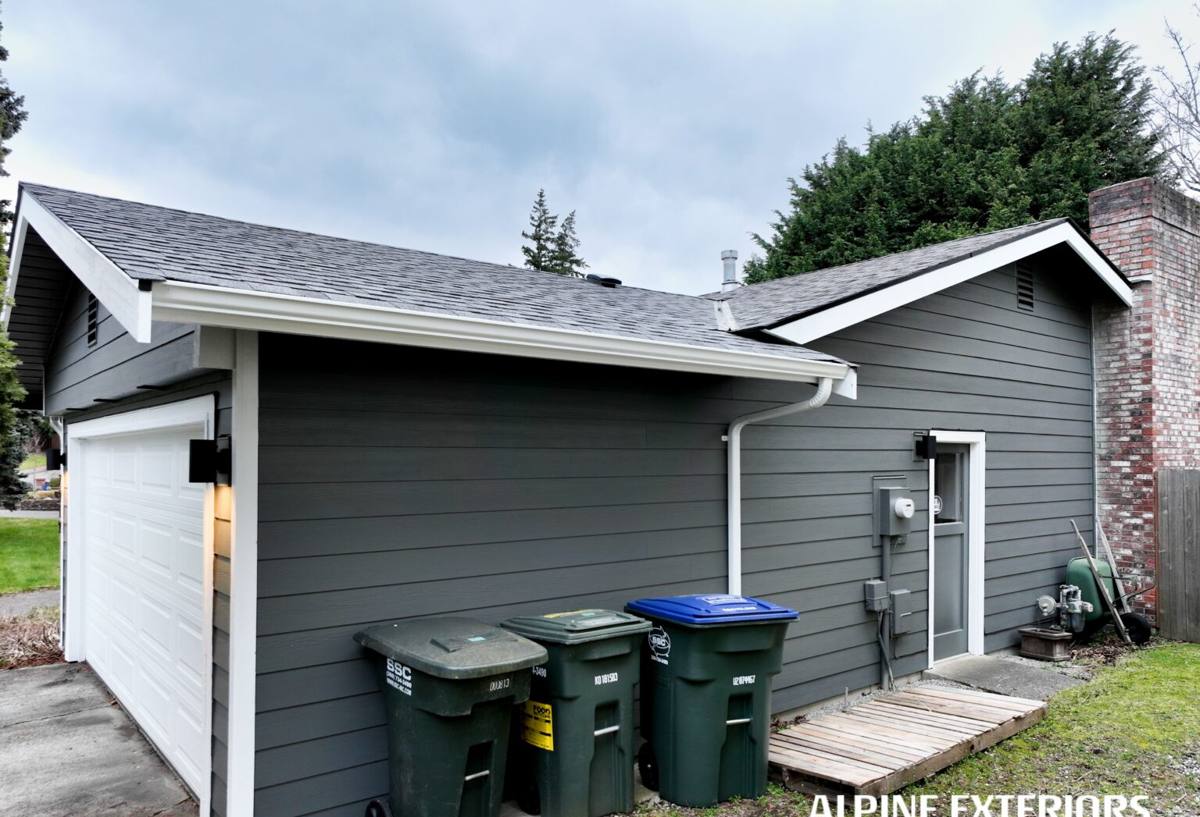
Why Standard Siding Practices Fall Short in Pinellas County
A lot of siding problems we get called out to inspect in this area didn't start as a product failure — they started as an installation shortcut that worked fine somewhere with a milder climate but doesn't hold up here. A few examples specific to what Seminole homes deal with:
- Wind-driven rain pushes water horizontally and even upward under eaves, so flashing details and water-resistive barrier laps that would be adequate in a drier climate need to be tighter and more deliberate here.
- Salt air corrosion attacks exposed fasteners over time. Uncoated or under-spec fastener choices show surface rust and streaking well before the siding itself would ever need replacing.
- UV exposure is relentless nearly year-round, which is hard on paint film adhesion and can accelerate fading on lower-quality finishes.
- Hurricane and tropical-storm wind loads put real uplift and lateral pressure on siding panels, meaning fastening schedules and nailing patterns matter more here than in a lot of the country.
None of this means siding fails constantly in Seminole — it means the margin for error is smaller, and cutting corners shows up faster than it would elsewhere.
What a Correct Installation Actually Involves
Good siding installation is mostly invisible once it's done — you're judging the parts nobody sees as much as the finished look. For a Seminole home, that includes:
Substrate and Moisture Barrier Prep
Before a single piece of siding goes up, the sheathing needs to be sound and dry, and the water-resistive barrier needs to be installed with correct overlaps, sealed penetrations, and properly integrated flashing at windows, doors, and any wall penetrations. This layer is what actually keeps wind-driven rain out of the wall cavity — the siding itself is the second line of defense, not the only one.
Flashing at Every Transition
Window and door head flashing, kickout flashing at roof-to-wall intersections, and proper drip caps aren't optional extras — they're where the majority of water intrusion problems originate when they're skipped or done wrong.
Fastening to Manufacturer and Local Wind Zone Specs
Fastener type, length, spacing, and placement all affect how well siding holds up under wind uplift. In a hurricane-prone area, the fastening schedule matters as much as the siding product itself.
Proper Clearances and Ventilation
Siding installed too close to grade, roofing, decks, or hardscaping traps moisture against the material and accelerates deterioration at the bottom courses — one of the most common and most preventable failure points we see on older installations in this area.
Why We Install Only James Hardie Fiber Cement
We made a deliberate decision to install one product system — James Hardie fiber cement — rather than offering vinyl, LP SmartSide, or other fiber cement alternatives. That's not a marketing position; it's based on how these products actually perform under Pinellas County conditions over the long run.
Fiber cement as a category holds up better than vinyl under intense UV and hurricane wind loads — it doesn't soften, warp, or become brittle with age the way vinyl can in this climate. Within fiber cement, James Hardie's HZ5 product line is engineered specifically for high-humidity, high-moisture climates like ours, with a manufacturing process and factory-applied ColorPlus finish designed to resist the fading and moisture-related issues that lower-grade siding struggles with here. It's also non-combustible, which matters to a lot of homeowners regardless of climate.
We're not going to tell you every other siding product is unusable — plenty of homes around the country wear other materials just fine. But for what Seminole and the surrounding Pinellas County coastline throw at a house, we settled on the product system we trust enough to put our own installation standards behind, and that's what we install.
Our Installation Process for Seminole Homes
- On-site assessment. We walk the home, check existing wall conditions, note trouble areas like roof-to-wall intersections and window flashing, and measure for material.
- Substrate inspection and prep. Any compromised sheathing gets addressed before siding goes on — covering it up doesn't fix it.
- Water-resistive barrier and flashing installation. This is the step that determines whether the home stays dry through the next tropical storm, done to spec before any visible siding is installed.
- James Hardie panel or lap installation. Installed to manufacturer specifications with fastening patterns appropriate for our wind zone.
- Trim, caulking, and finish detailing. Clean lines around windows, doors, and corners, with attention to the small gaps that let water in over time.
- Final walkthrough. We go over the finished work with the homeowner before calling the job done.
Cost Factors for Siding Installation in This Area
Every home is different, and we'll give you an actual number after seeing your house — but these are the main factors that move the price up or down on a Seminole siding job:
| Factor | Why It Matters Here |
|---|---|
| Home size and wall complexity | More corners, dormers, and roof-to-wall transitions mean more flashing detail work |
| Extent of substrate repair needed | Older homes near the coast sometimes have hidden moisture damage that needs addressing first |
| Siding profile chosen | Lap siding, panel siding, and shingle-style Hardie products vary in material and labor cost |
| Trim and accent detailing | Additional trim boards, soffit work, or accent bands add labor time |
| Tear-off vs. install over existing siding | Full removal costs more upfront but lets us properly inspect and prep the wall assembly underneath |
What to Look For When Hiring a Siding Contractor in Seminole
Siding installation is one of those jobs where the quality gap between a rushed crew and a careful one doesn't show up for a year or two — by then it's a much bigger repair. Before hiring anyone for a Seminole project, it's worth asking:
- Do they install to manufacturer specifications for our specific wind zone, not just a generic national standard?
- Will they show you the flashing and water-resistive barrier details before the siding covers them up?
- Do they carry proper licensing and insurance for exterior work in Pinellas County?
- Can they explain why they chose the specific siding product they install — or do they sell whatever's cheapest that week?
- Do they have experience with older Seminole and Largo homes, where substrate conditions vary widely?
- Is the manufacturer's warranty transferable, and do they stand behind their own workmanship separately?
Why Local Experience Matters for This Neighborhood
Seminole isn't identical to inland Pinellas County or to areas further up the coast — the salt exposure, storm exposure, and mix of home ages here call for a crew that's actually installed siding on homes in this specific area, not just siding somewhere in Florida. Knowing which older Seminole homes tend to have specific substrate quirks, understanding how local wind exposure affects fastening decisions, and having handled permitting and inspection processes with Pinellas County before all shorten the path from estimate to a finished job that holds up.
Maintenance and Longevity After Installation
One advantage of James Hardie fiber cement with a factory-applied ColorPlus finish is that it needs far less upkeep than repainted siding — but "low maintenance" doesn't mean "no maintenance," especially in a coastal climate. A simple annual check goes a long way:
- Rinse the exterior periodically to clear salt residue and airborne debris, especially on sides facing prevailing wind.
- Check caulking at trim, window, and door joints yearly and re-caulk as needed — this is the most common maintenance item in coastal climates.
- Keep an eye on any area where siding meets roofing, decking, or grade, since these transitions are the most vulnerable to trapped moisture.
- Address any impact damage from storm debris promptly rather than letting it sit exposed.
Done right the first time, a James Hardie installation in this climate is built to go a long time between major concerns — but it starts with the installation itself, not just the product on the truck.
If you're considering siding work on a Seminole home, we're happy to take a look and give you a straightforward, no-pressure estimate — just fill out the form below to get started.