 Largo Siding
 Why Belleair Beach Homes Need Windows Built Differently
Belleair Beach sits on a narrow barrier island in Pinellas County, with the Gulf of Mexico on one side and the Intracoastal Waterway on the other. That location is beautiful, but it's also one of the harder places in the region to keep a window system performing over time. Homes here take a constant beating from salt-laden air, intense year-round UV exposure, wind-driven rain that finds every gap in a poor seal, and the real possibility of hurricane-force winds during storm season. A window that would hold up fine on an inland Largo street can fail years early on the island if it wasn't built and installed with that exposure in mind.
"Custom windows" for a home like this isn't a marketing phrase — it means selecting frame materials, glass packages, and hardware that are actually rated for coastal wind and pressure loads, then sizing and installing them to fit openings that are often not perfectly square after decades of settling, prior renovations, or older construction methods. Getting any one of those pieces wrong shortens the life of the window and puts the rest of the house at risk during a storm.
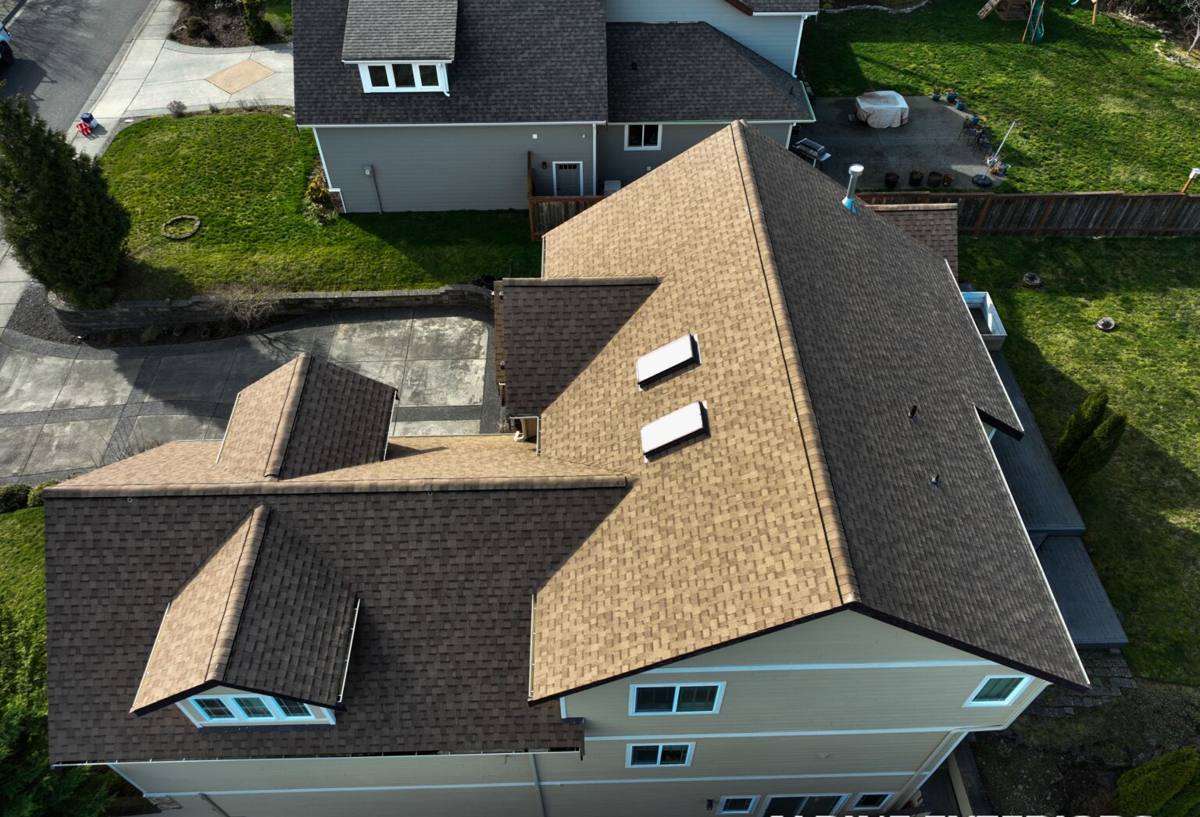
What "Custom" Actually Means on a Barrier Island
Custom doesn't necessarily mean unusual shapes or high-end architectural glass, though we do that work too. Most of the time it means building a window to the exact opening in your home rather than forcing a stock size to fit — which matters more here than in most inland neighborhoods because coastal homes often have irregular framing, older stucco returns, or additions built at different times. A window that's shimmed, packed, or trimmed to force-fit an opening is a window that will eventually leak or rack under wind pressure.
Impact-Rated vs. Non-Impact Windows
For a home this close to the Gulf, we generally steer customers toward impact-rated windows rather than non-impact glass paired with separate shutters or panels. Impact windows use laminated glass that stays intact under wind-borne debris impact and holds its structural opening even when the outer pane cracks. Non-impact windows can still be code-compliant when paired with approved shutter systems, but that adds a maintenance and readiness burden — someone has to actually deploy the shutters before every storm, every time, which isn't realistic for a lot of households or rental properties.
Frame Material Choices
Frame material has a bigger impact on long-term performance near the water than most homeowners expect. We walk through the trade-offs honestly rather than pushing one product line:
| Frame Material | Salt-Air Performance | Typical Maintenance | Relative Cost |
|---|---|---|---|
| Vinyl | Good — won't corrode or pit | Low; occasional cleaning | Lower |
| Aluminum | Fair; needs quality coatings to resist salt pitting over time | Moderate; watch for coating wear | Moderate |
| Fiberglass/composite | Very good; dimensionally stable, resists corrosion | Low | Higher |
| Wood-clad | Weakest in direct salt exposure unless well-protected | High; regular inspection and sealing | Higher |
None of these is universally "wrong" — a wood-clad window on a well-protected, non-oceanfront elevation can perform fine for years. But on exposed elevations facing the Gulf or open water, we're honest when a material choice is going to create more maintenance work than a homeowner wants to sign up for.
Florida Building Code and Wind Load Considerations
Pinellas County enforces the Florida Building Code, and coastal properties like those in Belleair Beach typically fall under stricter wind-load and impact requirements than homes further inland. Every custom window we install is specified to meet the design pressure rating required for the home's location and height, not just a generic "hurricane window" label. That rating has to be documented and, in most cases, permitted and inspected — this isn't a step we skip or shortcut, because an improperly rated or unpermitted window installation can create real problems at resale or with insurance.
Wind pressure ratings also aren't one-size-fits-all across a single house. Corner units, upper-floor openings, and windows on the most exposed elevation often need a higher pressure rating than a sheltered window on the same home. Part of doing this correctly is evaluating each opening individually rather than ordering one spec for the whole house.
The Installation Details That Actually Protect the Home
The window product matters, but a correctly rated window installed poorly will still leak or fail. Most window problems we see on coastal homes trace back to installation shortcuts, not the window itself. A proper installation on a home exposed to wind-driven rain and salt air includes:
- Removing and replacing damaged or rotted framing and sheathing found once the old window is out, not covering it up
- Using flashing tape and a proper drainage plane so any water that gets past the exterior finish has somewhere to go besides your wall cavity
- Sealing with sealants rated for exterior, UV, and salt exposure — not general-purpose caulk that will crack and shrink within a year or two
- Fastening according to the manufacturer's tested installation instructions, which is what actually gives the window its rated wind and impact performance
- Confirming the rough opening is square and properly shimmed before the window ever goes in, so it operates smoothly and seals evenly for its full service life
- Final inspection and testing of operation, locks, and weep paths before we consider the job finished
Skipping any one of these steps is how a $2,000 window ends up causing a $15,000 water intrusion problem five years later. It's also why we don't treat window replacement as a quick swap-and-go job, even when the homeowner is in a hurry.
Problems We Commonly Find From Past Installations
When we're called out to a Belleair Beach home for a window issue, it's rarely the glass itself that failed. More often we find sealant that was never rated for sun and salt exposure, flashing that was skipped or installed backward, fasteners that missed solid framing, or a window that was simply the wrong pressure rating for that elevation. Salt air accelerates corrosion on hardware and fasteners that weren't spec'd for coastal exposure, which shows up as stuck locks, streaking, or soft spots in the surrounding wall years before the glass itself would ever need replacing. Catching this early, during a routine estimate or a repair call, is a lot less expensive than waiting until there's visible interior damage.
How Our Process Works, Start to Finish
1. On-Site Evaluation
We measure each opening individually, check framing condition, and discuss which elevations need the highest wind and impact ratings based on the home's exposure.
2. Product and Material Selection
We walk through frame material, glass package, and rating options in plain language, including the honest maintenance trade-offs of each — no pressure toward the most expensive option if it isn't the right fit for your home or budget.
3. Permitting
We handle the permitting required under Pinellas County and Florida Building Code for the work being done, so the installation is documented and inspection-ready.
4. Installation
Old windows come out, framing is inspected and repaired as needed, and new windows go in following manufacturer-tested methods for flashing, sealing, and fastening.
5. Final Walkthrough
We test every window's operation and locking hardware and walk the job with you before we call it done.
Why Local Experience in Belleair Beach Matters
A crew that mostly works inland can still install a window correctly on paper, but they may not have hands-on experience with how quickly salt air degrades certain sealants and hardware finishes, or how differently a barrier-island opening can settle compared to a home a few miles inland in Largo. We work throughout Pinellas County, including the coastal communities like Belleair Beach, and that regular exposure to this specific climate shapes which products and installation details we insist on — not because a catalog says so, but because we've seen what holds up out here and what doesn't.
Protecting Your Investment After Installation
Even a correctly installed, properly rated window benefits from basic seasonal attention in a salt-air environment. A short annual checklist goes a long way:
- Rinse frames and hardware periodically to remove salt buildup, especially on aluminum components
- Check and clean weep holes so water can drain properly instead of pooling at the sill
- Inspect exterior sealant lines yearly for cracking or separation, particularly after a hard storm season
- Operate locks and hardware a few times a year to catch stiffness or corrosion early
- Have windows inspected after any major named storm, even if there's no obvious visible damage
If you're weighing custom window options for a home in Belleair Beach, we're happy to take a look, walk you through what your specific elevations need, and give you a straightforward, no-pressure estimate.