 Largo Siding
 Siding Installation in Palm Harbor: What Local Homes Are Up Against
Palm Harbor sits close enough to the water that its homes take on a specific combination of stress most siding products were never designed to handle for the long haul. Hurricane-force wind events, intense year-round UV, wind-driven rain, and salt air moving in off the Gulf all act on an exterior wall at the same time, year after year. None of it is dramatic on any single day — it's the accumulation that separates a siding installation that holds up for decades from one that starts failing within the first ten years.
We're a Largo-based crew that installs siding throughout Pinellas County, and Palm Harbor is one of the areas we work in regularly. The approach we bring to a siding installation here isn't generic — it's built around this specific mix of wind, sun, rain, and salt, because that's what actually determines whether the job still looks and performs correctly a decade from now.
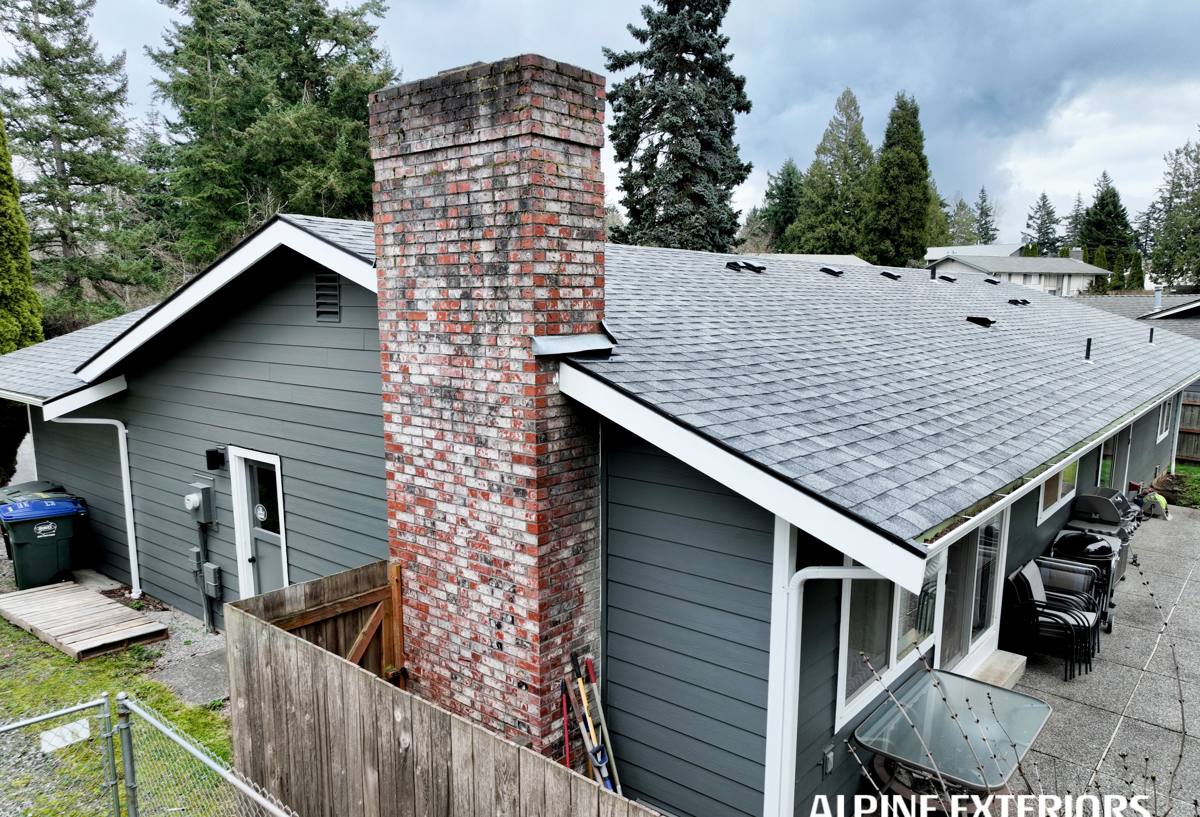
What Hurricane Winds, UV, Wind-Driven Rain, and Salt Air Actually Do to Siding
Wind is the most obvious threat, but it's not just about a single storm event. Sustained wind pressure tests every fastener, every panel edge, and every seam on a wall, and a siding system that isn't rated and installed for local wind exposure can start lifting, cracking, or separating at the joints well before a named storm ever makes landfall. Florida Building Code sets wind-load requirements for exterior products specifically because of this, and Pinellas County properties near the water are held to real standards, not suggestions.
UV exposure works more slowly but just as steadily. Near-constant, intense sun breaks down lower-grade coatings, caulking, and trim materials faster here than almost anywhere else in the country. That shows up as chalking, fading, and brittle caulk lines years before a homeowner expects to see them — and once a finish starts to chalk or crack, it stops doing its job of keeping water out.
Wind-driven rain is the third piece, and it's often the one that causes the most expensive hidden damage. Rain that's pushed sideways by wind doesn't run down a wall the way it would in a calm, straight-down shower — it gets forced up under laps, into seams, and around fastener points that a fair-weather installation wouldn't need to account for. Flashing and clearance details that might be adequate somewhere inland matter a great deal more this close to the coast, because wind-driven water finds every gap that wasn't detailed correctly the first time.
Salt air rounds out the picture. It accelerates corrosion on exposed fasteners and hardware, and it keeps surfaces damp longer than they'd stay in a drier, farther-inland climate, which speeds up the breakdown of any finish or fastener that isn't built for sustained coastal exposure.
Where Failure Actually Starts
On most siding jobs that fail early in a climate like this, the problem isn't the wall field — it's the transition points. Corners, window and door openings, and anywhere two materials meet are where a shortcut installation shows up first, because those spots take real time and attention to flash correctly, and they're the easiest places to rush.
Why We Install Only James Hardie Fiber Cement
We don't install vinyl siding, LP SmartSide, primed spruce, cedar, or other fiber cement brands. That's a professional standard we hold ourselves to, not a limitation on what we're capable of installing. In a climate like this one, the products that tend to struggle share a common thread: they either absorb moisture directly, rely on a field-applied or lower-grade factory coating to keep water out indefinitely, or expand and contract enough with heat and humidity swings that seams and joints gradually work themselves open.
James Hardie fiber cement is engineered specifically to resist that kind of exposure. It's non-combustible, it doesn't swell or rot the way wood-based products can, and its ColorPlus factory finish is baked on under controlled conditions and warrantied against the fading and chalking that constant sun and salt exposure cause over time. Hardie also builds climate-specific HZ product formulations rather than a single one-size-fits-all board, which matters directly in a high-wind, high-humidity coastal county. Paired with a strong transferable warranty and installation carried out to the manufacturer's actual specifications, it's the system we trust to perform through a full Pinellas County storm season — not just look good on install day.
What We Ask Homeowners to Weigh Before Choosing Anything Else
Cheaper alternatives aren't dishonest products — vinyl, engineered wood, and primed wood all have legitimate uses in the right climate and budget. But in a hurricane-exposed, high-UV, salt-air environment like Palm Harbor's, the maintenance burden and moisture risk on those materials tends to land back on the homeowner within a decade or so, often as recaulking, repainting, or panel replacement that a properly installed fiber cement system doesn't demand nearly as often.
What a Correct Installation Involves
Meeting Wind and Code Requirements
Pinellas County sits inside Florida's wind-borne debris region, and siding installed here has to meet wind-pressure requirements under the Florida Building Code, not a generic national standard. That affects fastener type, fastener spacing, and how panels are secured at corners and edges, where wind uplift concentrates. A siding job that isn't specified and installed for local wind exposure can look fine on a calm day and still fail in the next significant wind event.
Flashing and Moisture Management
This is the step that decides whether a siding job actually holds up in this climate. Every window, door, corner, and penetration needs flashing sequenced so water is directed out and away from the wall, not trapped behind the cladding. House wrap or weather-resistive barrier underneath has to be properly lapped and sealed, and siding needs correct clearance above grade, roofs, decks, and hardscape so lower courses aren't sitting in standing moisture. None of this is visible once the job is finished, which is exactly why it matters — it's the work nobody sees that determines whether the wall stays dry for the next twenty years.
Fastening and Finish
Fastener corrosion resistance matters more here than in an inland climate, given how much salt air the area gets off the Gulf. We also pay attention to how a given wall performs based on its orientation — a south- or west-facing wall takes far more direct UV and driving rain than a shaded or sheltered elevation, and that can inform decisions on trim selection and touch-up color matching down the road.
Our Installation Process, Start to Finish
- On-site assessment — we walk the property, evaluate the existing siding and substrate, and check for hidden moisture or rot before quoting anything
- Honest recommendation — full replacement, partial replacement, or repair, explained with the reasoning behind it
- Material and color selection — choosing the right Hardie product line and ColorPlus finish for the home's exposure and style
- Tear-off and substrate check — old siding comes off, and any rot, moisture damage, or existing flashing problems get addressed before anything new goes on
- Weather barrier and flashing installation — house wrap, window and door flashing, and corner details built for wind-driven rain, not just a dry-day inspection
- Siding installation — panels fastened to spec for local wind-load requirements, with correct clearance above grade and adjoining surfaces
- Trim, caulking, and final inspection — finish work completed and the whole installation checked against code and manufacturer specifications before we call it done
Comparing Siding Materials for Palm Harbor Homes
Most homeowners weighing a siding project have already come across several material options, so it's worth being direct about how they compare in this specific climate rather than treating the decision as already settled.
| Material | Performance in Palm Harbor's Climate | Typical Long-Term Maintenance |
|---|---|---|
| James Hardie fiber cement | Non-combustible, resists wind, doesn't absorb moisture or feed rot the way wood-based products can | Low — factory finish holds up well against sustained sun, salt, and moisture |
| Vinyl | Doesn't rot, but can crack, warp, or blow off under sustained hurricane-force wind and heat cycling | Low upfront, but replacement rather than repair when panels fail |
| LP SmartSide / engineered wood | Wood-based core is more moisture-sensitive at cut edges and seams than fiber cement | Moderate — edge sealing and coating upkeep matter more under sustained coastal humidity |
| Primed spruce or cedar | Natural wood absorbs moisture readily and is more vulnerable to UV and humidity damage | Highest — regular repainting and caulking needed to hold up in this climate |
This isn't a claim that every alternative product fails outright — it's why our own standard, for the climate we install in every day, is fiber cement installed correctly rather than a material that trades a lower upfront cost for a heavier maintenance load down the road.
What Drives Siding Installation Cost
We won't quote a number without seeing the home in person, but the factors that move price on a siding installation are consistent from project to project.
| Factor | Why It Matters |
|---|---|
| Home size and wall complexity | More square footage and more corners, gables, or dormers mean more material and labor |
| Substrate condition | Rot or moisture damage found during tear-off has to be repaired before new siding goes on |
| Siding profile and finish | Lap width, texture, and ColorPlus finish selection affect material cost |
| Trim and detail work | Homes with more windows, corners, and architectural detail take more flashing and finish labor |
| Existing siding removal | Tear-off and disposal of the old material adds time compared to installing over a fresh substrate |
| Access and site conditions | Tight lots, multiple stories, or landscaping close to the house can add labor time |
Why a Largo-Based Crew Matters for Palm Harbor
A lot of what makes a siding installation hold up here comes down to details a generic, out-of-area crew tends to overlook: how much wind-driven rain a given wall orientation actually takes on, how much clearance siding needs above grade and hardscape given how humid the ground stays, and how flashing needs to be layered so it sheds water correctly through an entire storm season rather than just passing a dry-day walkthrough.
A crew that installs siding throughout Pinellas County regularly starts to recognize these patterns from one property to the next. That familiarity shows up in small, on-site decisions — where extra fastening is worth it given a lot's wind exposure, where caulk is appropriate versus where flashing is required, how a wall facing open water should be detailed differently than a sheltered one — decisions homeowners rarely notice directly but absolutely feel in how the exterior performs over the following decade.
Signs a Palm Harbor Home Might Need New Siding
Most homeowners reach out because something specific has caught their eye, not because they've been tracking every detail of their home's exterior condition. It's worth knowing what to look for before a small issue becomes an expensive one:
- Cracked, warped, or missing siding panels, especially after a storm
- Paint or finish that keeps chalking, fading, or peeling no matter how often it's redone
- Soft spots or slight give when pressing near a window, door, or corner trim
- Visible gaps, buckling, or separation at panel seams
- Rust streaks below fasteners or hardware
- Water stains or discoloration on interior walls near exterior corners
- Siding that's held up past its expected service life, particularly if it's original to an older home
Any one of these on its own doesn't necessarily mean a full replacement is needed. But they're worth having a professional actually look at rather than assuming they'll resolve on their own, since moisture-related damage in this climate tends to compound rather than stay static.
What to Expect if You're Considering a Siding Project
Whether you're dealing with visible storm damage or just planning ahead of one, an honest, no-pressure look at the current siding is always the starting point before we make any recommendation. We'll walk the property, assess what the existing material is actually dealing with, and give a straightforward read on whether full replacement makes sense now or targeted repairs will hold for a while longer.
We're not going to recommend a full siding replacement when a repair will do, and we're not going to paper over a moisture problem that needs to be addressed at the source. That kind of honesty is part of what a local crew with a long-term reputation in this community has to protect, and it shapes every estimate we give.
If your Palm Harbor home needs new siding, a repair, or simply an honest second opinion on what's happening behind an aging wall, we're glad to take a look. Reach out using the form below to schedule a free, no-pressure estimate.