 Largo Siding
 Seminole Roofs Take a Different Kind of Beating
Seminole sits close enough to the Gulf that salt air is a daily fact of life on every roof in the area, and far enough into Pinellas County's dense residential grid that we see the full range of roof ages, pitches, and material types on any given street. Whatever the specific house, the stress on the roof is the same: intense year-round UV that breaks down shingle mat and coatings faster than most of the country ever experiences, wind-driven rain that finds its way in sideways during storm season, salt-laden air that quietly corrodes exposed metal, and the very real possibility of hurricane-force winds testing every fastener, flashing detail, and ridge cap several months a year.
None of that means a Seminole roof is doomed to constant problems. It does mean roofs here age and fail differently than roofs in a drier, calmer climate, and a repair that would hold up fine somewhere else can fail here within a season or two if it isn't done to the right standard. This page walks through the roof repair issues we see most often in Seminole, how we diagnose and fix them correctly, and why hiring a crew that already works this area — rather than a traveling storm-chase outfit — makes a real difference in how long the repair actually lasts.
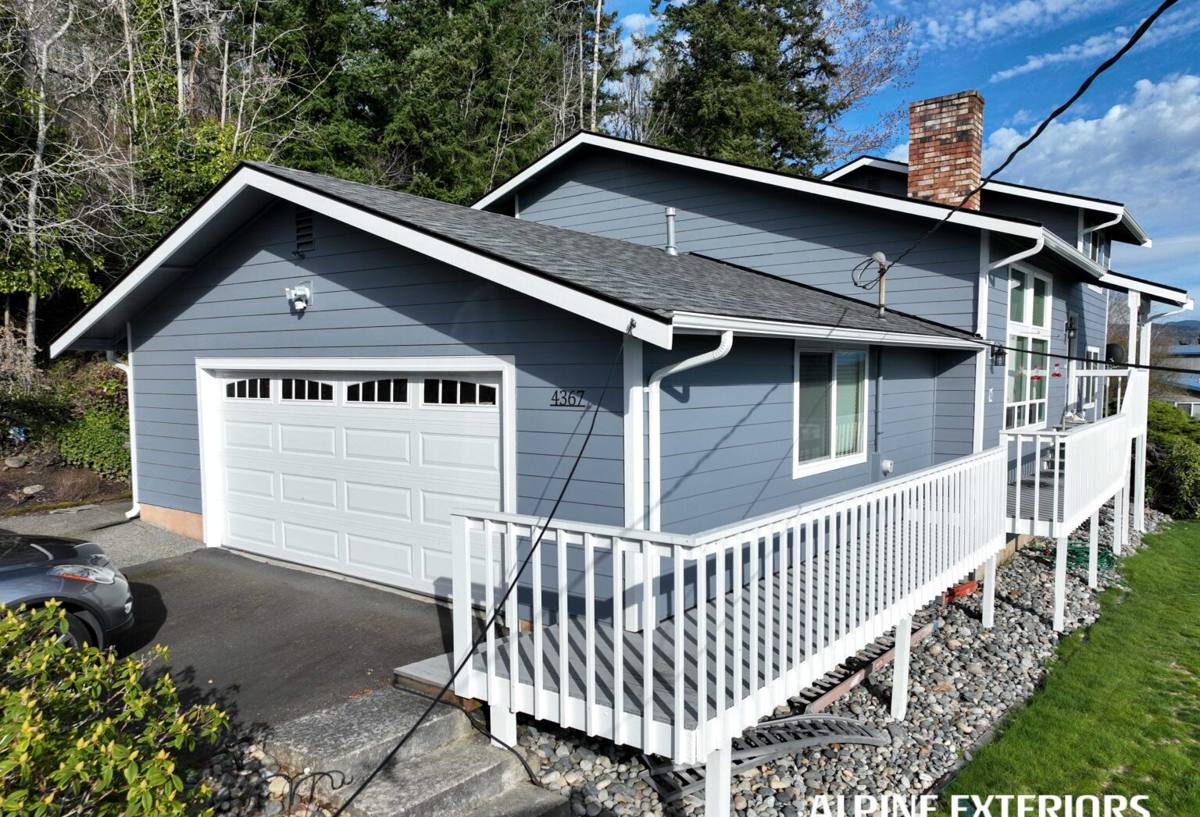
Common Roof Repair Problems We See in Seminole Homes
Wind-Lifted or Missing Shingles
Sustained coastal wind works shingle tabs loose over time, and a single strong gust can finish the job. Once a shingle lifts or blows off, the exposed underlayment and nail line beneath it are directly exposed to the next rain event, so what starts as a cosmetic gap can become an active leak within one storm if it isn't addressed.
Flashing Failures at Penetrations
Chimneys, plumbing vents, skylights, and roof-to-wall transitions are where most leaks actually start, not out in the open field of the roof. Flashing that was caulked over instead of properly integrated, or that's corroded from years of salt exposure, is one of the most common repair calls we get in this area.
Sealant and Pipe Boot Failures
Rubber pipe boots and exposed sealant joints break down faster under intense Florida UV than almost any other roof component. A cracked boot around a vent pipe is a small, inexpensive fix if it's caught early, and a source of slow attic moisture damage if it isn't.
Granule Loss and UV-Related Wear
Asphalt shingles rely on their granule layer to shield the underlying asphalt from UV. Once granules wear away — visible as bald spots or as grit collecting in gutters — the exposed asphalt degrades faster, and the affected shingles become brittle and prone to cracking well before the rest of the roof.
Ponding and Drainage Issues on Low-Slope Sections
A lot of homes in this part of Florida have at least one low-slope section — a porch roof, a garage extension, or a flat-roofed addition — where standing water after heavy rain is a real problem rather than a rare event. Poor drainage on these sections accelerates membrane wear and is a frequent source of leaks that never show up on the steeper main roof.
Repair or Replace? How We Help You Decide
Not every roof problem in Seminole calls for a full replacement, and we're not going to tell you it does just because that's a bigger job. The honest answer usually comes down to a handful of factors we walk through during an inspection.
| Factor | Leans Toward Repair | Leans Toward Replacement |
|---|---|---|
| Age of roof | Well under expected lifespan for the material | At or past the material's expected lifespan |
| Extent of damage | Isolated to one area — a valley, a boot, a flashing point | Spread across multiple slopes or several separate leak points |
| Deck condition | Sheathing underneath is solid and dry | Sheathing is soft, delaminated, or shows rot |
| Repair history | First or second repair on this roof | Recurring leaks in the same area despite prior repairs |
| Material availability | Matching shingle or material still available | Discontinued color or profile, difficult to match |
| Storm damage scope | Localized wind or debris damage | Widespread wind, hail, or fastener failure across the roof |
A roof that's ten years old with one damaged flashing point from a fallen palm frond is almost always a repair. A roof that's pushing twenty-plus years, has had two or three prior leak repairs, and is now showing granule loss and cracking across multiple slopes is a roof telling you the next leak is a matter of when, not if.
What a Correct Roof Repair Actually Involves
Diagnosis Before Anything Else
A repair is only as good as the diagnosis behind it. We trace leaks to their actual source rather than patching where the water happens to be showing up inside, because water can travel along rafters and decking for several feet before it drips somewhere visible. Patching the visible spot without finding the real entry point is one of the most common reasons a "fixed" leak comes back.
Matching Materials Correctly
A repair that uses the wrong shingle profile, the wrong flashing metal, or incompatible sealant creates a weak point that ages differently than the surrounding roof — and in a climate this hard on roofing, mismatched materials show up fast as a new leak point or a visibly inconsistent patch. We match shingle type, exposure, and color as closely as the existing product allows, and we're upfront when an older roof's exact shingle is no longer available.
Flashing and Underlayment Detail
Any repair that opens up a section of roof is a chance to correct underlying problems, not just replace what's on top. That means checking underlayment condition around the repair area, re-flashing penetrations properly instead of relying on sealant alone, and making sure step flashing and counterflashing at wall transitions are lapped correctly for wind-driven rain, not just vertical rainfall.
Wind and Code Considerations
Pinellas County's building code sets fastening and wind-resistance requirements based on local wind zone maps, and repair work has to meet those same standards — not a generic national baseline. That affects nail count, fastener type, and how shingles or flashing are secured at hips, ridges, and edges, all of which matter more here than in a lot of other markets.
Our Roof Repair Process
- Inspection. We get on the roof (and in the attic, when access allows) to find the actual source of the problem, not just the visible symptom.
- Honest diagnosis and estimate. We explain what we found in plain terms, what's causing it, and what it will take to fix — including whether repair or replacement makes more sense.
- Material matching. We source shingles, flashing, and sealants that match the existing roof as closely as possible, and flag it clearly if an exact match isn't available.
- The repair itself. Proper tear-out of the damaged area, correction of any underlying flashing or underlayment issues, and installation to current wind-code fastening standards.
- Cleanup and walkthrough. We clear debris and old materials from the property and walk you through exactly what was done and why.
- Documentation. We provide records of the work performed, which matters for insurance claims and for future wind mitigation inspections.
Why Hiring a Crew That Already Works in Seminole Matters
Roof repair quality is determined by details that don't show up from the street — how flashing is lapped, whether fasteners are driven to the right depth and spacing, whether a patch actually ties into the existing underlayment or just sits on top of it. A crew that works Pinellas County regularly has already seen how those details hold up — or fail — under this specific combination of salt air, sun exposure, and storm wind, on the specific roof types and ages common in this area.
It also matters for speed after a storm. When wind damage hits a neighborhood, homes need someone who can respond quickly with a tarp or emergency patch to stop water intrusion, followed by a permanent repair done right — not a crew that showed up from out of state chasing storm work and left town before the warranty period even started.
Local experience matters for permitting too. Pinellas County's wind zone requirements affect what inspectors expect to see on a repair permit, and a contractor who pulls permits here regularly knows what that actually looks like in practice, rather than guessing at a generic standard.
Insurance, Permits, and Documentation
Roof repairs in this area often intersect with homeowner's insurance, especially after named storms. We document damage with photos before and after the repair, which is exactly what most insurers ask for when processing a claim. We also pull permits when the scope of work requires it, so the repair is on record with the county rather than being an undocumented patch that can complicate a future sale or insurance renewal.
Florida's wind mitigation inspection process is worth understanding too — insurers offer premium credits for verified wind-resistant roof features like proper strapping, secondary water barriers, and code-compliant fastening. A repair done to current wind-code standards can support that inspection down the road; a rushed patch job usually can't, and may even work against it if an inspector flags it.
Protecting Your Roof After the Repair
A correct repair extends the life of the roof, but a few habits on the homeowner's side help it hold up between now and whenever full replacement eventually makes sense.
- Have the roof visually checked after every major named storm, even if nothing looks obviously wrong from the ground
- Keep gutters and valleys clear of leaves and debris so water can actually drain instead of backing up under shingle edges
- Trim back overhanging tree limbs that can abrade shingles in wind or drop debris during storms
- Watch for granule buildup in gutters or at downspout outlets as an early sign of UV wear
- Check the attic occasionally for daylight, staining, or musty odors rather than waiting for a ceiling stain to appear
- Keep a record of any repair work done, including dates and materials used, for future insurance and resale purposes
None of these replace a professional inspection, but they're the cheapest and easiest ways to catch a small problem before it becomes a bigger one.
If you're dealing with a leak, storm damage, or just want an honest read on your roof's condition before the next hurricane season, we're happy to come take a look. Estimates are free and no-pressure — use the form below to get started.