 Largo Siding
 Why Seminole Roofs Wear Out Faster Than People Expect
Seminole sits close enough to the Gulf and the Intracoastal that homes here deal with a combination of stresses most inland Florida towns never see. Hurricane-force wind events test every fastener and flashing detail a roof has. Between storms, the sun does its own damage — Florida gets some of the most intense year-round UV exposure in the country, and that UV breaks down asphalt oils, cracks sealants, and fades and embrittles shingles years before their rated lifespan is up. Add wind-driven rain that gets pushed sideways and up under laps and flashings during squalls, plus a steady dose of salt air that accelerates corrosion on fasteners, vents, and metal flashing, and you have a roof environment that's genuinely harder on materials than a roof three hours inland. Pinellas County homes, Seminole included, need roofs installed with all of that in mind from day one, not roofs that were designed for a milder climate and happen to be sitting here.
Signs a Seminole Home Needs a New Roof, Not Another Repair
Not every roof problem means starting over, but there's a point where patching stops making financial sense. Some of the clearer signals we look for during an inspection:
- Granule loss heavy enough that you can see bare, shiny patches on shingles, or granules collecting in gutters
- Shingles that are curling, cupping, or cracking across large sections rather than one isolated spot
- Soft spots or sagging in the roof deck when walked, which usually means moisture has reached the wood
- Repeated leaks in different locations after past repairs, suggesting the underlayment has failed broadly
- Visible daylight through the attic decking, or consistent staining on attic sheathing and rafters
- A roof that's approaching or past the manufacturer's expected service life, especially if the last reroof predates current code requirements
If a roof is showing two or more of these at once, a repair is usually a short-term patch on a problem that's already systemic. We'll tell you honestly which category your roof falls into — we don't sell full replacements to homeowners who just need a repair, and we don't recommend another round of patching on a roof that's structurally done.
What a Correct Roof Installation Actually Involves
A new roof is more than shingles nailed to plywood. The parts nobody sees are what determine whether the roof holds up through the next decade of Pinellas County weather.
Tear-Off vs. Overlay
We tear off down to the deck rather than layering new shingles over old ones. An overlay hides the condition of the deck and the old underlayment, traps moisture between layers, and voids most manufacturer warranties outright. Tear-off also lets us inspect and repair the wood deck itself, which is where hidden rot and storm damage actually live.
The Layers Beneath the Surface That Do the Real Work
Once the deck is exposed, we check every sheet of plywood or OSB for soft spots, delamination, and fastener pull-through, replacing anything that doesn't pass. From there, the build-up typically includes a self-adhered or synthetic underlayment rated for wind-driven rain, sealed and lapped correctly at every seam, plus properly integrated flashing at valleys, walls, chimneys, and any roof penetration. In Pinellas County's High-Velocity Hurricane Zone-adjacent wind requirements, nailing patterns, fastener spacing, and starter strip installation aren't optional details — they're the difference between shingles that stay put in a wind event and shingles that peel off in sheets.
Roofing Materials That Make Sense for a Coastal Pinellas Climate
There's no single "best" roofing material for every home — it depends on budget, the look you want, and how long you plan to stay in the house. Here's how the common options compare for a Seminole property specifically:
| Material | Wind & Storm Performance | UV & Heat Behavior | Maintenance |
|---|---|---|---|
| Architectural (laminated) asphalt shingle | Strong when installed with proper nailing pattern and high wind-rated products | Modern granules resist fading better than older 3-tab shingles, but still age faster under constant Florida sun | Low; periodic inspection after major storms |
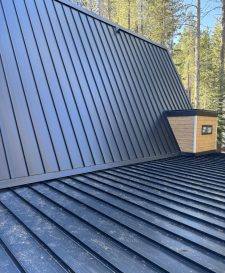
| Standing seam metal | Excellent — fewer seams and components for wind to catch | Reflects heat well, holds color long-term | Low, but coastal salt air means fasteners and coatings matter |
| Concrete or clay tile | Very good structurally, but individual tiles can crack or dislodge in high wind if not properly fastened | Handles UV and heat extremely well | Moderate; occasional tile replacement, underlayment eventually needs attention beneath the tile |
For most Seminole homeowners, a high-wind-rated architectural shingle offers the best balance of upfront cost and storm performance. Metal makes sense for owners planning to stay long-term and wanting to minimize future reroofing. Tile is a strong option where it matches the home's architecture, provided the fastening and underlayment work is done correctly — the tile itself is rarely the point of failure; poor installation underneath it is.
Wind Rating, Permits, and Code Requirements in Pinellas County
Roofing in this part of Florida isn't a handshake job. Pinellas County requires a permit for a full roof replacement, and the installation has to meet current wind-uplift and fastening standards under the Florida Building Code — standards that have gotten more specific since many older Seminole roofs were originally installed. That means:
- Products used must carry an appropriate wind rating for the area, not just a generic rating
- A permitted job requires inspection at defined stages, not just a final sign-off
- Underlayment, flashing, and fastening methods all have to meet documented code minimums, not just "how it's always been done"
Skipping the permit, or hiring a crew that doesn't pull one, might save a little time up front, but it leaves you without inspection documentation — which matters at resale, and matters even more when you file an insurance claim after a storm and the carrier asks whether the roof was installed to code.
Our Installation Process, Start to Finish
- On-site inspection. We walk the roof and the attic, check the deck condition, note flashing and ventilation issues, and give you a straight answer on repair vs. replacement.
- Material selection. We go over the options above in the context of your budget, your home's style, and how long you plan to own it — no pressure toward the most expensive option.
- Permitting. We pull the required Pinellas County permit before work starts, so the job is inspected and documented properly.
- Tear-off and deck inspection. Old roofing comes off down to the deck, and any compromised wood is identified and replaced.
- Underlayment and flashing. We install underlayment rated for wind-driven rain and properly integrate flashing at every valley, wall, and penetration.
- Installation of the roofing material. Shingles, metal panels, or tile go on following the manufacturer's high-wind installation specifications, not the minimum code allowance.
- Ventilation check. We confirm intake and exhaust ventilation are balanced so the attic isn't trapping heat or moisture under the new roof.
- Final walkthrough and cleanup. We do a magnetic sweep for stray nails, clear debris, and walk the finished roof with you before we consider the job done.
Ventilation and Moisture — the Part Homeowners Usually Miss
A brand-new roof installed over a poorly ventilated attic won't perform the way it should. In Florida's heat, an attic without balanced intake and exhaust ventilation traps hot, moist air, which shortens shingle life from underneath, can warp decking over time, and pushes cooling costs up. Salt air along the coast also means any exposed metal components in the ventilation system — vents, boots, flashing — need to be corrosion-resistant, not just the cheapest part available. We check and correct ventilation as part of every installation rather than treating it as a separate upsell, because a roof and its attic ventilation are one system, not two.
What to Expect: Timeline and Disruption
Most single-family roof replacements in this area take one to a few days depending on size, roof complexity, and material — tile and metal generally take longer than shingle. Weather can push a schedule, especially during Florida's wetter months, and we'll communicate honestly if that happens rather than rushing work to hit a date. You should expect noise during tear-off and installation, a dumpster or trailer on-site for debris, and a thorough cleanup pass at the end, including a nail sweep of the yard and driveway.
Checklist: What to Ask Before Hiring a Roofing Crew in Seminole
- Are you licensed to perform roofing work in Florida, and can you provide proof?
- Do you carry general liability and workers' compensation insurance?
- Will you pull the Pinellas County permit yourselves, and is that included in the quote?
- What underlayment and fastening spec will you use, and does it meet current wind-rating requirements for this area?
- Will you inspect and replace damaged decking as part of the base price, or is that a separate charge if discovered?
- What does the manufacturer's warranty require in terms of installation method, and will your crew install to that standard?
- How do you handle attic ventilation as part of a reroof?
A contractor who answers these clearly and specifically, without hedging, is generally one worth trusting. Vague answers on permits, insurance, or wind-rated fastening are a red flag no matter how good the estimate looks on paper.
Why Local Experience in Seminole Specifically Matters
Roofing codes, wind zones, and even common deck conditions vary by area, and a crew that already works in and around Seminole and Largo knows what Pinellas County inspectors look for, what the local permitting process actually requires, and how homes in this specific coastal environment tend to age. That familiarity shows up in fewer surprises during the job and a roof that's built for the conditions it will actually face — not a generic installation adapted after the fact. It also means faster response if a storm comes through and you need someone who already knows your roof.
If your Seminole home needs a new roof, or you're not sure whether repair or replacement makes more sense, we're glad to take a look and give you a straight answer. Use the form below to request a free, no-pressure estimate.