 Largo Siding
 Board & Batten Siding for Seminole Homes, Built by a Local Largo Crew
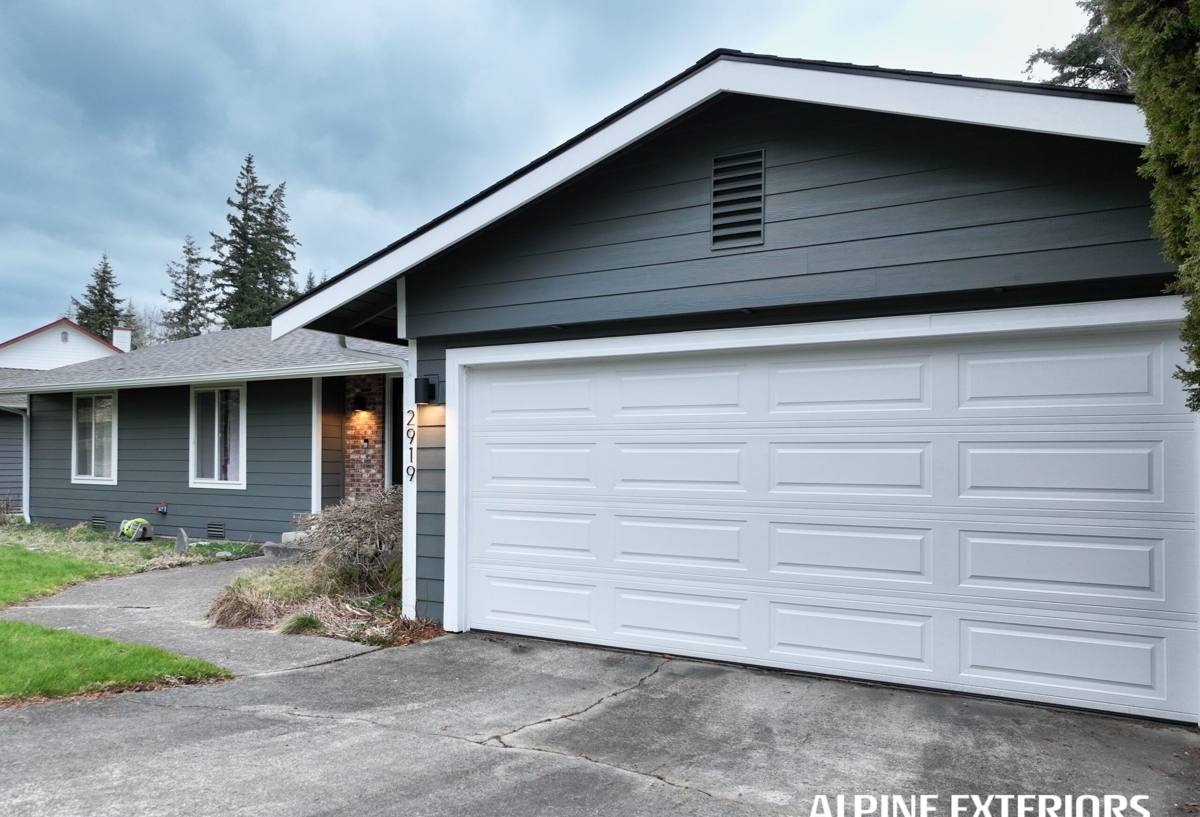
Board and batten siding has a distinct look — tall, vertical panels with narrow battens covering each seam — that shows up on a lot of homes in and around Seminole, from craftsman-style cottages to newer builds going for a coastal farmhouse look. It's a style choice, but it's also a construction detail, and in Pinellas County that detail matters more than it does inland. We install board and batten siding for homeowners throughout the greater Largo service area, including Seminole, and we build it the same way every time: to hold up against the specific weather this part of Florida throws at a house.
This page is about that one product, in this one area. If you're weighing board and batten for a home near Seminole, here's what actually needs to be true for it to perform, not just look good on installation day.
What Pinellas County Weather Does to Board & Batten Siding
Hurricane-force wind gusts, intense sun nearly every month of the year, wind-driven rain during tropical systems, and salt air drifting in off the Gulf all put stress on exterior siding — and board and batten has some characteristics that make it more sensitive to that stress than a standard horizontal lap profile.
Wind Uplift on Vertical Panels and Battens
Vertical board and batten has more individual seams per square foot of wall than lap siding, and each batten is fastened independently. If the fastening schedule isn't tight enough for the local wind zone, those battens become leverage points in a storm — the first thing to lift, and the first thing to let wind-driven water behind the wall. Correct wind-rated fastening isn't optional here; it's the difference between siding that rides out a named storm and siding that doesn't.
UV Exposure and Even Color Retention
Florida sun is intense across nearly the whole calendar, not just summer. On board and batten specifically, uneven fading is a common complaint — the raised battens catch direct sun differently than the recessed panel faces next to them, so a finish that isn't baked on and UV-stable at the factory will often show that difference within a few years.
Wind-Driven Rain at the Seams
Every seam in a board and batten wall is a potential water entry point. During wind-driven rain — which is most of our rain, given how storms move through this area — water gets pushed sideways and upward under battens that aren't properly lapped, flashed, and backed with a continuous weather-resistive barrier.
Salt Air and Coastal Corrosion
Seminole sits close enough to the Gulf that salt-laden air is a real factor, not a theoretical one. Standard fasteners, cheap flashing metal, and unprotected trim corrode faster here than they would fifty miles inland. Anything holding board and batten siding onto a house near the coast needs to be rated for it.
Why We Only Install James Hardie for This Look
We install James Hardie fiber cement exclusively — no vinyl, no LP SmartSide, no primed wood or cedar. That standard applies to board and batten just as much as it does to our lap siding work, and for a coastal-adjacent community like Seminole, the reasoning is straightforward.
What Board & Batten Means in Fiber Cement
Hardie's board and batten system uses vertical fiber cement panels with matching battens fastened over the seams, engineered as a system rather than assembled from mismatched trim pieces. It's non-combustible, dimensionally stable in humidity swings, and available with the ColorPlus factory finish — a baked-on, UV-stable coating that's the direct answer to the uneven-fading problem described above.
Why Not Wood, Vinyl, or Engineered Wood for This Style
We're not going to tell you traditional wood board and batten looks bad — it doesn't, and it's a classic look for a reason. But real wood in this humidity, this close to salt air, means an ongoing repainting and rot-watching commitment most homeowners don't want to sign up for twice a decade. Vinyl board and batten panels are lightweight and low-cost, but they rely on a "hang loose" fastening method to handle expansion, which is a harder system to get truly wind-rated, and they can warp or fade under sustained Florida UV. LP SmartSide is still a wood-based product at its core — better engineered than raw lumber, but still dependent on every seam and cut edge staying properly sealed against moisture. Those are real trade-offs, not defects, and they're exactly why we standardized on fiber cement instead.
What a Correct Board & Batten Installation Involves
The finished look of board and batten hides almost all of the work that determines whether it lasts. Here's what has to happen underneath it.
Weather-Resistive Barrier and Substrate
A continuous, properly lapped weather-resistive barrier goes over the sheathing before any siding touches the wall. Gaps, tears, or shortcuts here are invisible once the siding is up — and they're the difference between a wall that sheds wind-driven rain and one that slowly absorbs it.
Fastening Schedule and Batten Spacing
Panel and batten fastener spacing has to match the wind zone the house sits in, not a generic pattern pulled from a lower-wind region's install guide. Batten width and spacing also need to stay consistent for the reveal to look right — a detail that separates a clean installation from one that reads as slightly off once it's on the wall.
Flashing at Openings and Transitions
Windows, doors, and any wall penetration need proper flashing integrated with the weather barrier before battens go on. This is where most water intrusion problems on any vertical siding system actually start, board and batten included.
Caulking and Sealant at Seams
The right sealant, applied at the right joints — not every joint, since some are designed to stay open for drainage — keeps water out without trapping moisture behind the panel where it can't dry out.
Our Process for Board & Batten Projects in Seminole
On-Site Assessment
We start by walking the property, checking the existing wall condition, sheathing, and any moisture history, and talking through what board and batten will look like on that specific home's elevations.
Prep and Tear-Off
Old siding comes off, the substrate gets inspected and repaired where needed, and the weather-resistive barrier goes on before a single panel is measured.
Installation
Panels and battens go up to the fastening schedule the wind zone requires, with flashing detailed at every opening and transition first.
Final Walkthrough
We walk the finished job with the homeowner, checking reveals, caulking, and trim details before calling it done.
Comparing Board & Batten Siding Options
| Factor | James Hardie Fiber Cement | Vinyl Board & Batten | Wood / LP SmartSide |
|---|---|---|---|
| Hurricane wind performance | Engineered fastening system, rated for high-wind installation | Depends on hang-loose fastening; harder to rate for high wind | Depends on framing attachment and panel condition |
| UV / color retention | Factory ColorPlus finish resists fading | Can fade and chalk under sustained sun | Paint/finish needs recoating on a maintenance cycle |
| Moisture behavior | Dimensionally stable, non-combustible | Won't rot, but seams can trap moisture if installed wrong | Vulnerable at seams and cut edges if sealant fails |
| Salt air / coastal exposure | Holds up well with corrosion-rated fasteners | Plastic doesn't corrode, but can become brittle over time | Fasteners and cut edges need extra protection |
| Typical warranty | Long-term transferable manufacturer warranty | Varies by manufacturer, often shorter on color | Varies; often shorter than fiber cement |
Maintenance Checklist for Board & Batten in a Coastal Climate
Correctly installed Hardie board and batten is low-maintenance, not no-maintenance. A short seasonal routine goes a long way in this climate.
- Rinse the walls periodically to clear salt residue and airborne grime, especially on Gulf-facing sides
- Check caulking at seams, trim, and openings once a year for cracking or separation
- Keep gutters clear so water doesn't sheet down the wall face during heavy rain
- Inspect after major storms for loose battens, dented panels, or displaced trim
- Keep sprinklers and landscaping from spraying siding directly, which accelerates staining
Why Hiring a Crew That Already Works in Seminole Matters
Board and batten done right requires matching the fastening schedule and detailing to the actual wind zone and exposure a house sits in — and that's easier to get right when a crew already knows the area's wind requirements, permitting process, and the kind of exposure Seminole homes typically face, rather than treating every job as a generic installation pulled from a manual written for a different climate. We work this part of Pinellas County regularly, and we bring that familiarity to every board and batten project here.
If you're considering board and batten siding for a home in or near Seminole, we're happy to take a look and walk you through what it would involve for your specific property. Reach out for a free, no-pressure estimate — there's a form right below to get started.