 Largo Siding
 Roofing on a Barrier Island Is Its Own Job
Redington Shores sits out on the Gulf, and that location changes what a roof has to survive. Homes here take on salt-laden air almost every day of the year, direct UV exposure with very little tree cover on many lots, wind-driven rain that gets pushed sideways under poorly sealed edges, and the real possibility of hurricane-force gusts during storm season. A roofing system that would hold up fine ten miles inland in Largo can wear out noticeably faster a few blocks from the water. Replacing a roof out here isn't just a bigger version of an inland job — it's a different set of decisions about materials, fasteners, flashing, and ventilation.
This page covers what a correct roof replacement looks like specifically for a Redington Shores home, what our process involves, and why working with a crew that already handles jobs on this stretch of the coast matters more than it might for a service further from the water.
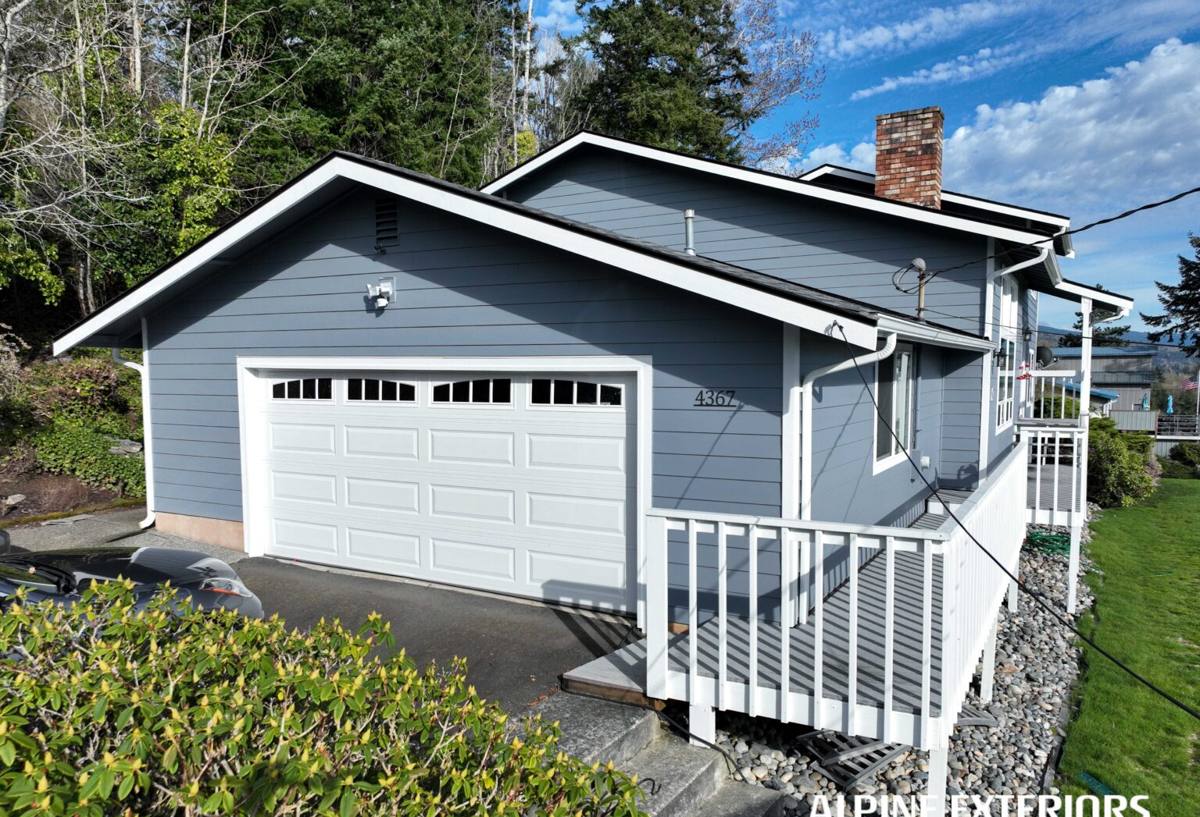
Why Coastal Exposure Shortens Roof Life
Salt Air and Corrosion
Salt in the air settles on every exposed surface, including roofing fasteners, flashing, drip edge, and vent stacks. Standard fasteners and untreated metal components corrode faster near the Gulf than they do inland, which is why material and hardware choices on a barrier island job need to account for corrosion resistance from the start, not as an afterthought.
UV and Heat
Florida sun is hard on any roof, but open coastal lots with little shade take the full brunt of it all day. UV breaks down asphalt shingle oils and adhesives over time, and sustained attic heat can shorten the life of underlayment and speed up granule loss on shingles.
Wind-Driven Rain
It's not just how much rain falls — it's the angle it comes in at. Wind pushes rain sideways and upward under shingle tabs, around vents, and along ridge lines. A roof that isn't properly sealed and flashed at these transition points will leak long before the shingles themselves fail.
Hurricane and Tropical Storm Wind Loads
Pinellas County, and coastal communities like Redington Shores in particular, see higher wind exposure ratings than inland areas under Florida's building code. That affects the fastening pattern, underlayment type, and in some cases the material itself that's required or recommended for a compliant replacement.
What a Correct Roof Replacement Involves
A roof replacement done right is more than stripping off old shingles and nailing down new ones. For a coastal home, each of these steps matters:
- Full tear-off to bare decking — never installing new roofing over old layers
- Deck inspection and repair of any soft, water-damaged, or delaminated plywood
- Correct underlayment for the wind zone, properly lapped and sealed
- Corrosion-resistant fasteners and flashing rated for coastal exposure
- Proper flashing at all penetrations — vents, skylights, chimneys, wall transitions
- Balanced attic ventilation to manage heat and moisture
- Fastening patterns that meet or exceed current Pinellas County wind requirements
- Final inspection against local permit and code requirements
Skipping any one of these doesn't always show up right away. A roof can look fine for a year or two and then fail at exactly the point that was cut short — usually during the first serious wind event.
Choosing a Roofing Material for a Gulf-Front Property
There's no single "best" roofing material for every home in Redington Shores — the right choice depends on the home's structure, roof pitch, budget, and how close it sits to the water. Here's how the common options compare for coastal use:
| Material | Typical Coastal Lifespan | Wind Performance | Maintenance Considerations |
|---|---|---|---|
| Architectural asphalt shingle | 15–20 years (often less with direct salt exposure) | Good, when installed with proper nailing pattern and rated for high wind | Periodic inspection of sealant and flashing; granule loss accelerated by UV |
| Standing seam metal | 30–40+ years | Excellent when properly fastened; performs well in high-wind zones | Needs corrosion-resistant fasteners and coatings near saltwater; fastener backouts should be checked periodically |
| Concrete or clay tile | 30–50 years for the tile itself | Good if fastened and underlaid correctly; individual tiles can crack from impact | Underlayment beneath tile typically needs replacement before the tile does; heavier system, structure must support the load |
We'll walk through these trade-offs with you honestly, including where a lower upfront cost material may mean more frequent maintenance or a shorter service life this close to the Gulf.
Our Roof Replacement Process
1. On-Site Inspection and Estimate
We look at the current roof, the decking condition where accessible, attic ventilation, and any existing signs of leaks or wind damage. You get a straightforward, no-pressure estimate with the material options relevant to your home.
2. Material and Scope Decision
We go over material options, warranty structures, and realistic lifespan expectations for a coastal property, so you're choosing based on facts, not sales pressure.
3. Permitting
Roof replacements in Pinellas County require a permit, and coastal wind zones can carry additional documentation requirements. We handle the permit process as part of the job.
4. Tear-Off and Deck Inspection
Old roofing comes off down to the deck. Any damaged or weakened decking is identified and repaired before anything new goes down — this step gets skipped by corner-cutting crews and it's the single biggest predictor of how long a new roof will actually last.
5. Installation
Underlayment, flashing, and the roofing material go on according to manufacturer specifications and the wind-rated fastening pattern required for the area.
6. Cleanup and Final Walkthrough
Job site is cleaned of debris and nails, and we walk the finished roof with you before closing out the permit inspection.
Wind Ratings, Permits, and Insurance
Homes in coastal Pinellas County communities like Redington Shores fall under wind-borne debris and high-velocity wind provisions in the Florida Building Code that are stricter than what's required further inland. A compliant replacement uses materials and installation methods rated for the applicable wind speed for your specific location, and the permit inspection confirms that.
There's also a practical upside: a properly documented, code-compliant roof replacement can support a wind mitigation inspection, which insurers use to determine windstorm premium discounts. We can't promise a specific savings figure — that depends on your insurer and policy — but a roof installed and documented correctly gives you the paperwork to pursue it.
Signs a Redington Shores Roof Needs Replacing, Not Patching
Not every roofing problem means a full replacement. But on a barrier island home, these signs usually mean patching is a short-term fix at best:
- Shingles that are cupping, curling, or losing granules across large areas, not just one spot
- Soft spots or sagging visible when walking the roof or viewed from the attic
- Repeated leaks in different locations after previous repairs
- Visible daylight through the roof deck from inside the attic
- Rusted, lifted, or missing flashing around vents, chimneys, or wall transitions
- A roof that's approaching or past the expected lifespan for its material, especially with direct Gulf exposure
- Storm damage affecting a significant portion of the roof rather than an isolated area
What Roof Replacement Typically Costs
Every roof is priced based on its own specifics, but the main cost drivers for a Redington Shores replacement are consistent:
| Factor | How It Affects Cost |
|---|---|
| Roof size and complexity | More squares, valleys, hips, and penetrations mean more material and labor |
| Material choice | Asphalt shingle is typically the lowest upfront cost; metal and tile cost more but last longer |
| Roof pitch and access | Steep or hard-to-access roofs require more safety setup and labor time |
| Decking condition | Water-damaged plywood found during tear-off adds material and labor to repair |
| Wind-rated underlayment and fastening | Coastal wind zone requirements can call for upgraded underlayment and denser fastening patterns |
| Permit and inspection fees | Set by Pinellas County, included in your project scope |
We give a firm, itemized estimate before any work starts — no vague allowances that turn into surprise add-ons later.
Why a Largo Crew That Already Works Redington Shores Matters
Redington Shores is a small, tight-knit barrier island community, and it comes with logistics that differ from a typical inland Largo job — narrow access on some lots, proximity to the water affecting staging and material storage, and homeowners who are often weighing insurance and wind mitigation requirements alongside the roof itself. A crew that regularly works this area already understands those realities instead of learning them on your job.
Being based in Largo also means we're a short drive away for the walkthrough, the follow-up, and anything that comes up after the job is done — not a crew that disappears once the invoice is paid.
Ready for an Honest Look at Your Roof?
If your Redington Shores roof is showing its age, took a hit in the last storm, or you're just planning ahead, we're happy to take a look and give you a straight answer — whether that means replacement now, a repair that buys you time, or nothing at all yet. Request a free, no-pressure estimate using the form below.