 Largo Siding
 Windows on Redington Beach Take a Different Kind of Beating
Redington Beach sits right on the Gulf, which means the windows on these homes deal with conditions that inland Largo properties simply don't see as often or as intensely. Salt-laden air corrodes hardware and seals faster. Wind-driven rain gets pushed sideways during storms, testing every seam around a window frame. Direct, near-constant sun breaks down vinyl, glazing compounds, and weatherstripping over time. And when a tropical system or a strong Gulf blow comes through, the windows are one of the first things put to a real structural test.
None of that means Redington Beach homes need something exotic. It means the replacement work has to be done correctly for a barrier-island, coastal Pinellas County property — not treated like a standard inland job. A window that's a great fit three miles inland can underperform here if the product, the installation details, or the flashing work aren't matched to the exposure.
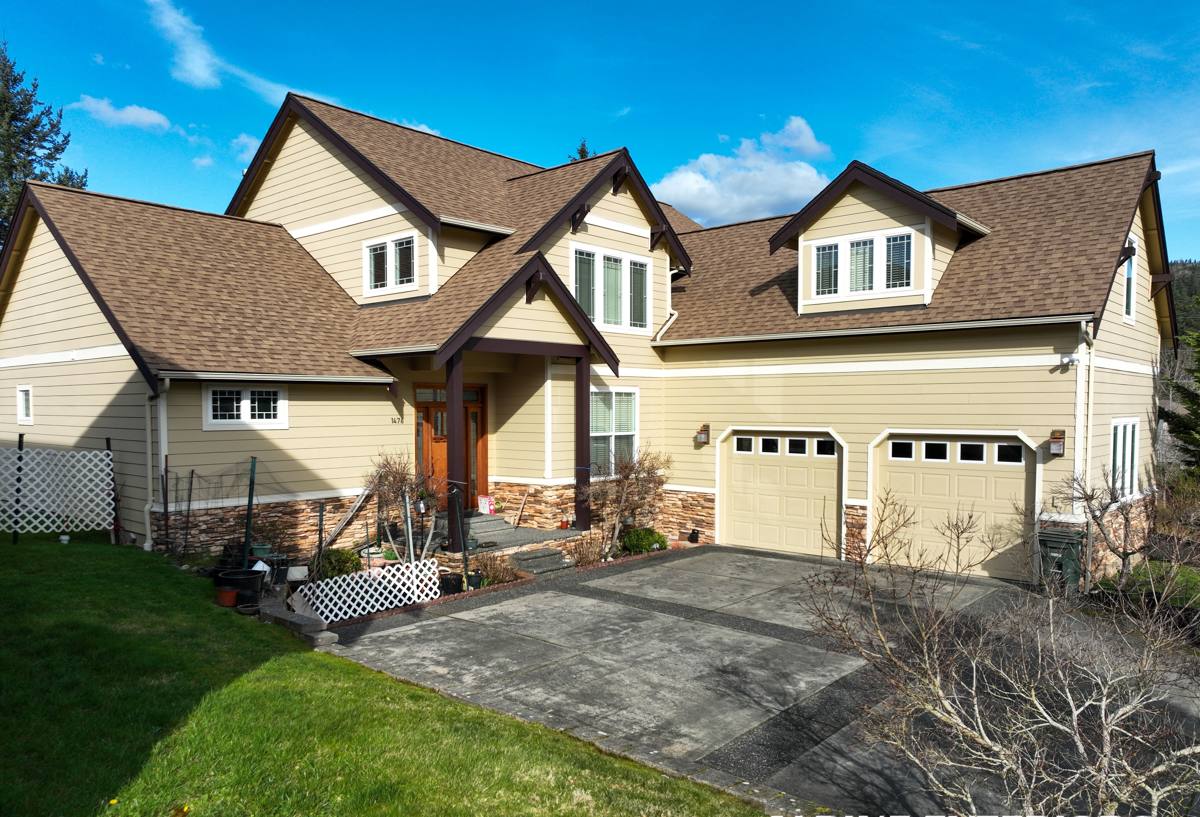
What Local Homes Actually Need From a Window Replacement
Wind and impact performance that matches the exposure
Pinellas County is in a high-velocity wind zone along the coast, and Redington Beach's direct Gulf frontage puts it at the higher end of that exposure. Florida Building Code sets minimum wind-load and impact requirements based on location, and homes closest to the water generally need glass and frames rated for higher pressures than a home a few blocks inland. This isn't a marketing detail — it's an engineering requirement tied to your specific address.
Water management, not just water resistance
Wind-driven rain doesn't just hit a window — it gets forced up and under trim, into gaps, and behind stucco or siding if the flashing isn't done right. A correct install builds in a drainage path so any water that does get past the exterior seal has somewhere to go besides your wall cavity. This is one of the most common places we see older installs fail, and it's rarely the window itself — it's what's (or isn't) behind it.
Corrosion resistance in the hardware
Salt air is hard on fasteners, hinges, locks, and balance hardware. Standard steel components can start showing rust and stiffness within a few seasons this close to the water. Coastal-appropriate hardware and fasteners cost a little more up front and save you from a window that looks fine but won't lock or slide smoothly a few years in.
UV-stable materials
Florida sun is intense year-round, not seasonal. Frame materials, seals, and glazing need to be rated to hold their color and flexibility under sustained UV exposure — otherwise you get chalking, brittleness, and seal failure well before the window's expected lifespan.
Signs Your Current Windows Are Already Behind the Curve
- Fogging or a hazy film between panes of double-glazed glass (a sign the seal has failed)
- Windows that are hard to open, close, or lock, or that rattle in wind
- Visible daylight or a draft around the frame when the window is shut
- Soft trim, stucco, or drywall near a window — a sign water has been getting behind it
- Chalky, faded, or pitted frames, especially on the sides facing the Gulf
- A noticeable jump in cooling costs with no other explanation
- Visible rust streaks around hardware, screws, or hinges
Any one of these on its own isn't necessarily an emergency, but a home with several of them is usually past the point where caulk and minor repairs are the right answer.
Frame and Glass Options: What Actually Matters for This Location
| Option | Coastal Performance | Maintenance | Trade-offs |
|---|---|---|---|
| Impact-rated vinyl | Good wind/impact resistance; won't corrode | Low — no painting, no rust | Frame can flex more under extreme pressure than aluminum; darker colors absorb more heat |
| Impact-rated aluminum | Strong structurally; handles higher wind loads well | Moderate — needs corrosion-resistant coatings near saltwater | Conducts heat/cold more than vinyl unless thermally broken |
| Laminated impact glass (non-impact frame) | Glass resists penetration, but frame/anchoring must still meet wind load | Depends on frame material | Only as good as the frame and installation it's paired with — glass alone isn't the whole system |
| Standard (non-impact) glass + shutters | Requires shutters deployed before every storm to meet code opening protection | Higher — shutters need storing, maintaining, and manually installing | Cheaper up front, but shifts ongoing effort and risk onto the homeowner |
We don't push one product line as the answer for every house. The right call depends on your home's orientation to the water, the existing wall construction, your budget, and whether you'd rather have the protection built into the window itself or handled with separate shutters. We'll walk through the honest trade-offs for your specific property rather than defaulting to whatever's easiest to install.
How the Job Actually Works
- On-site assessment. We check existing window openings for size, level, and any hidden water or wood damage before quoting anything.
- Product selection. We go over frame material, glass package, and wind/impact rating options based on your home's exposure and the applicable code requirements for your address.
- Permitting. Window replacement in Pinellas County typically requires a permit with product approval documentation (NOA or Florida Product Approval) matching your wind zone. We handle this so the finished work is inspectable and code-compliant.
- Removal. Old windows come out carefully to protect the surrounding stucco, siding, or drywall.
- Inspection of the opening. Before anything new goes in, we check the rough opening and sill for rot, moisture, or structural issues that need to be addressed — not covered up.
- Flashing and sealing. Proper flashing tape and sealants go in around the frame in the correct order so water is directed out, not trapped in.
- Installation and shimming. The window is set level and plumb, anchored per the manufacturer's and code's fastening schedule — not just however many screws happen to hold it.
- Interior and exterior finish work. Trim, caulking, and touch-up are completed so the install looks finished, not just functional.
- Final inspection. The permitted work gets signed off by the local building department.
Permits and Code: Why This Isn't Optional Here
Window replacement along Florida's coast is one of the more heavily regulated home improvement categories, and for good reason. Pinellas County requires permits for window replacement, and the products used need documented approval for the wind zone your property falls in. Skipping the permit might save a little time up front, but it leaves you without an inspection record, which can matter for insurance claims, home sales, and warranty coverage down the road. A contractor who's used to pulling permits for this kind of work in this county isn't adding a step for no reason — they're doing the part of the job that protects you later.
What Windows Cost Here — and What Drives the Range
| Cost Factor | Why It Moves the Price |
|---|---|
| Impact rating required | Higher wind zones near the Gulf generally require heavier-duty glass and frames than inland homes |
| Window size and configuration | Large picture windows, sliders, and custom shapes cost more than standard single/double-hung sizes |
| Frame material | Vinyl, aluminum, and specialty finishes carry different material costs |
| Number of openings | Whole-house replacements typically bring a better per-window price than replacing one or two |
| Condition of the existing opening | Rot, moisture damage, or an out-of-square frame adds repair work before the new window can go in |
| Permit and inspection requirements | Permitted, code-compliant work includes the documentation and inspection process in the price |
We're not going to throw out a number that doesn't mean anything without seeing your windows. Broadly, quality impact-rated replacement windows for a coastal Pinellas County home run from a few hundred dollars per window on the low end up into four figures per window for larger openings or premium glass packages — but the only way to know what your project actually costs is a walk-through and a written quote.
Before You Hire Anyone: A Quick Checklist
- Ask for proof of a current Florida contractor's license and general liability insurance
- Confirm the quoted windows have product approval documentation for your wind zone, not just a generic "impact-rated" label
- Get the permit process spelled out in writing — who pulls it, and when
- Ask how they handle flashing and water management, not just the window itself
- Check that the quote specifies frame material, glass package, and hardware — not just "windows, whole house price"
- Ask whether they've worked on barrier-island or direct-Gulf-frontage homes before, and what they do differently there
Why Local Experience on Redington Beach Specifically Matters
A crew that's already done window work on Redington Beach and the surrounding Largo area knows the practical realities that don't show up in a spec sheet — how the salt air affects certain hardware finishes faster than others, what the local building department wants to see on a permit application, and how wall construction on older barrier-island homes tends to differ from newer inland builds. That experience shows up in fewer surprises during the job and a finished install that's built for the exposure your home actually has, not a generic exposure category.
If you're weighing whether it's time to replace your windows, or you just want a straight answer about what your home actually needs, we're happy to take a look. Fill out the form below for a free, no-pressure estimate.