 Largo Siding
 Why Treasure Island Roofs Wear Out Faster Than You'd Expect
Treasure Island sits right on the Gulf, and that barrier-island location is exactly what makes roofing here different from a roofing job ten miles inland. Homes here take a constant beating from salt-laden air, intense year-round UV exposure, wind-driven rain that finds every weak seam, and the real possibility of hurricane-force gusts during storm season. A roof that might last 25 years in a sheltered inland neighborhood can start showing real trouble in half that time on Treasure Island if it wasn't built and installed with those conditions in mind.
We work throughout Pinellas County out of Largo, and Treasure Island is one of the areas where we see the clearest gap between "a roof that's technically new" and "a roof that's actually built for where it sits." The difference usually isn't the shingle brand — it's the underlayment, the fastening pattern, the flashing detail work, and the ventilation, none of which show up in a driveway photo.
The Specific Stresses at Play
- Salt air corrosion — airborne salt accelerates rust on exposed metal fasteners, flashing, and vents faster than most manufacturers' standard warranties assume.
- UV breakdown — Florida sun degrades asphalt shingle oils and cheaper underlayments, leading to premature granule loss and brittleness.
- Wind-driven rain — rain that comes in sideways during storms tests every seam, valley, and penetration, not just the field of the roof.
- Uplift forces — sustained coastal wind and hurricane gusts put real stress on fastening patterns, especially at edges and corners where uplift is strongest.
What a Roof on Treasure Island Actually Needs
None of this means you need an exotic or overbuilt roof — it means the ordinary parts of the job have to be done correctly, with materials matched to a coastal barrier-island environment rather than a generic spec. That starts underneath the shingles, not on top of them.
Underlayment and Deck Protection
A synthetic or self-adhering underlayment rated for high-wind, high-moisture climates gives you a second line of defense if wind ever lifts or damages the outer roofing material. On a barrier island, we treat this layer as load-bearing to the roof's overall performance, not an afterthought. We also inspect and, where needed, replace sections of roof deck — plywood that's taken on moisture over the years is one of the most common hidden problems we find once the old roofing is stripped off.
Fastening and Wind Rating
Florida Building Code sets minimum wind-uplift and fastening requirements for coastal Pinellas County, and those requirements exist because of exactly the wind loads a Gulf-front location like Treasure Island sees. Correct nail count, nail placement, and starter-strip installation at eaves and rakes matter more here than almost anywhere else in the county — these are the spots where wind gets underneath a roof first.
Flashing and Penetrations
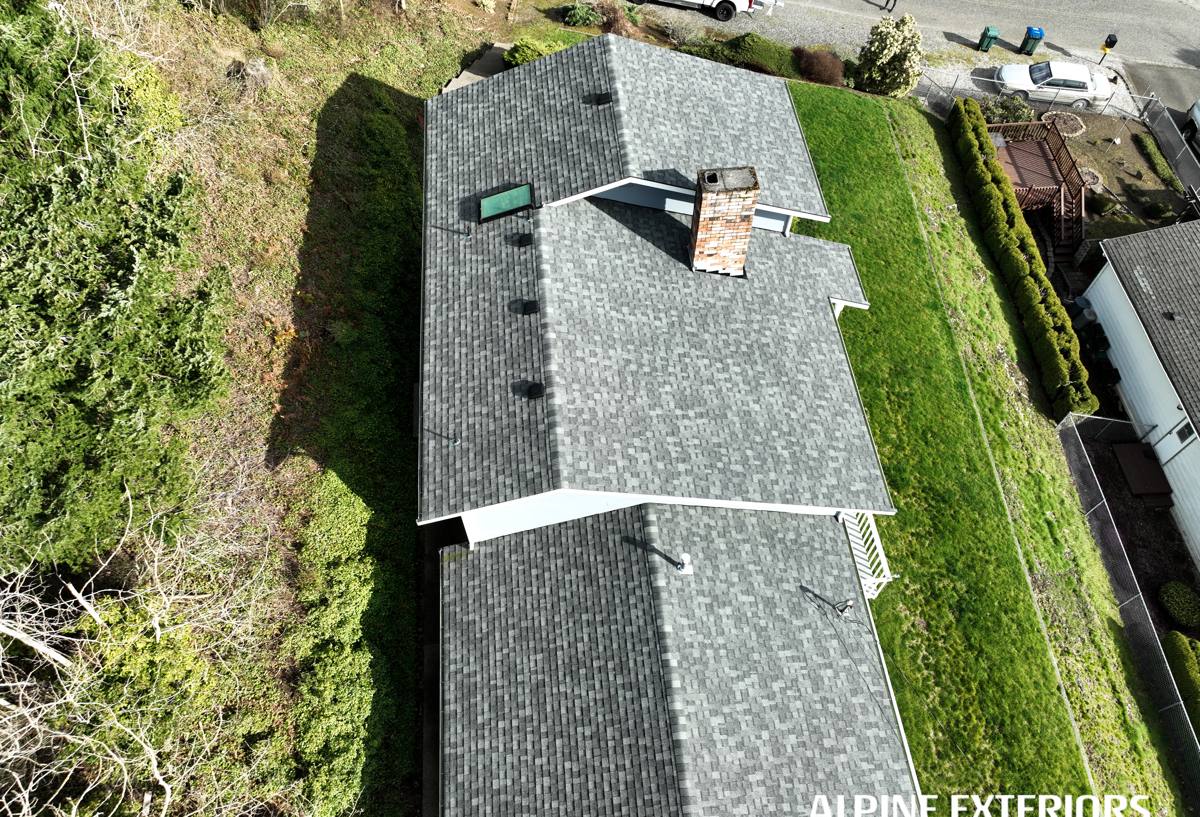
Every chimney, vent pipe, skylight, and wall-to-roof transition is a place water can get in if the flashing isn't formed and sealed correctly. Wind-driven rain doesn't behave like a normal rainstorm — it pushes water uphill and sideways, so flashing details that would be "good enough" in a calmer climate aren't good enough here.
Ventilation
Proper attic ventilation keeps shingle temperatures down, extends roofing material life, and helps manage the moisture that builds up in humid coastal air. A roof with poor ventilation ages faster from the underside, which is a problem you won't see until you're already dealing with deck rot.
Metal Fasteners and Flashing: Our Standard on the Coast
One trade-off we're upfront about with every coastal homeowner: standard galvanized fasteners and flashing can corrode faster in salt air than stainless steel or hot-dip galvanized equivalents. It's not that standard hardware is defective — it's built to a general-purpose standard, and a quarter-mile from the Gulf isn't a general-purpose environment. Our standard practice on Treasure Island jobs is to use corrosion-resistant fasteners and flashing at the coast, because replacing rusted flashing or popped fastener heads five years into a shingle's life is a cost nobody wants to absorb twice.
Material Options and How They Hold Up Here
| Material | Typical Lifespan (Coastal Pinellas) | Wind/UV Notes |
|---|---|---|
| Architectural asphalt shingle | 15–22 years | Good value; needs high-wind rated product and proper fastening; UV-stable granules matter |
| Standing seam metal | 30–45+ years | Strong wind performance, handles salt air well with proper coatings; higher upfront cost |
| Tile (concrete or clay) | 30–50 years | Excellent UV and wind resistance when correctly fastened; underlayment quality is critical since tile itself doesn't seal water out |
| Flat/low-slope membrane (TPO, modified bitumen) | 15–25 years | Common on additions or lanai-adjacent sections; seam quality is everything on wind-driven rain exposure |
We'll talk through which of these fits your home, your roofline, and your budget honestly — including where a cheaper option now might mean more maintenance later, and where spending more up front buys you real years of reduced upkeep.
Our Installation Process
1. Inspection and Honest Assessment
We start by getting on the roof, checking the deck condition where accessible, looking at flashing, vents, and any signs of past leaks, and talking with you about what's actually going on — not just quoting a tear-off because that's the default answer.
2. Permit and Code Review
Pinellas County and the local jurisdiction require permits and inspections for roof replacement, and coastal wind-uplift requirements apply. We handle the permitting and make sure the installation meets current Florida Building Code requirements for your zone — this isn't optional paperwork, it's what keeps your roof (and your insurance) protected if a storm tests it.
3. Tear-Off and Deck Inspection
We remove the old roofing down to the deck, inspect for water damage or rot, and replace any compromised plywood before anything new goes on. Skipping this step is one of the most common shortcuts that leads to problems years later.
4. Underlayment and Flashing Installation
High-wind-rated underlayment goes down first, followed by properly formed and sealed flashing at every penetration, valley, and wall transition.
5. Roofing Material Installation
Shingles, metal panels, or tile go on per manufacturer spec and Florida Building Code fastening requirements, with attention to starter strips, edge details, and ridge/hip work — the areas most exposed to wind uplift.
6. Final Inspection and Walkthrough
We do our own quality check, coordinate the required county/city inspection, and walk the finished roof with you so you know exactly what was done and what to expect going forward.
Why Local, Barrier-Island Experience Matters
A crew that mostly works inland neighborhoods isn't necessarily going to default to corrosion-resistant fasteners, high-wind-rated underlayment, or the flashing attention that a Gulf-front property needs — because most of their jobs don't require it. We work Largo and the surrounding Pinellas County coastline regularly, including Treasure Island, so those aren't upgrades we have to remember to mention; they're just how we build a roof out here. That familiarity also means we know what Pinellas County's permitting and inspection process actually looks like in practice, which keeps your project moving instead of stalling on paperwork.
Signs Your Treasure Island Roof May Need Replacement
- Shingles that are curling, cracking, or losing granules faster than expected
- Visible rust streaking from fasteners, vents, or flashing
- Soft spots or sagging areas when walked or viewed from the attic
- Leaks or water stains on interior ceilings, especially after wind-driven rain events
- Missing or lifted shingles after storms, even minor ones
- A roof approaching or past its material's expected lifespan for a coastal environment
- Rising energy bills that may point to failing ventilation or insulation under an aging roof
Cost Factors to Understand Before You Get Quotes
Roof replacement pricing varies by home size, roof pitch, material choice, deck condition, and the amount of flashing and penetration work involved. Rather than quote a number that won't mean much without seeing your roof, here's what actually drives cost so you can evaluate any estimate you receive:
| Factor | Why It Matters |
|---|---|
| Roof size and pitch | More square footage and steeper pitches mean more material and labor time |
| Deck condition | Rotted plywood found during tear-off adds material and labor not visible in a pre-job estimate |
| Material choice | Asphalt, metal, and tile carry very different material and labor costs |
| Number of penetrations | More vents, chimneys, and skylights mean more flashing labor |
| Wind-rating requirements | Higher-rated underlayment and fastening add modest cost for real storm performance |
| Access and site conditions | Landscaping, multiple stories, or tight lot lines affect setup and disposal logistics |
Maintaining Your New Roof in a Coastal Climate
A correctly installed roof still benefits from basic upkeep on a barrier island. A twice-yearly visual check (or after any major storm) for lifted shingles, debris in valleys, and clogged gutters goes a long way. Keep an eye on flashing around vents and chimneys for early rust, since that's often the first visible sign of wear in salt air. Trim back overhanging vegetation where you can, since falling limbs and constant shade both shorten roof life. None of this requires a professional visit every time, but knowing what to look for helps you catch small issues before they become deck damage.
If your Treasure Island or Largo roof is showing its age, or you just want an honest read on where it stands, we're happy to take a look and walk you through your options with no pressure to decide on the spot. Fill out the form below for a free estimate.