 Largo Siding
 Building Decks for a Barrier Island Community
Redington Beach sits right up against the Gulf, and that location changes what a deck has to do compared to one a few miles inland. Homes here take direct salt air, near-constant sun, and the occasional direct hit from tropical weather. A deck that would hold up fine in a shaded inland yard can start showing corrosion, fastener failure, or surface breakdown within a few seasons when it's built the same way this close to the water. We're based in Largo and we build and repair decks across this stretch of Pinellas County regularly, so this page focuses specifically on what a custom deck needs to survive in Redington Beach, not generic deck-building advice.
None of this is meant to scare anyone off building a deck here — a well-built deck is one of the better investments a coastal home can make, for both everyday living and resale. It just has to be built with the right materials, the right hardware, and the right structural decisions from day one.
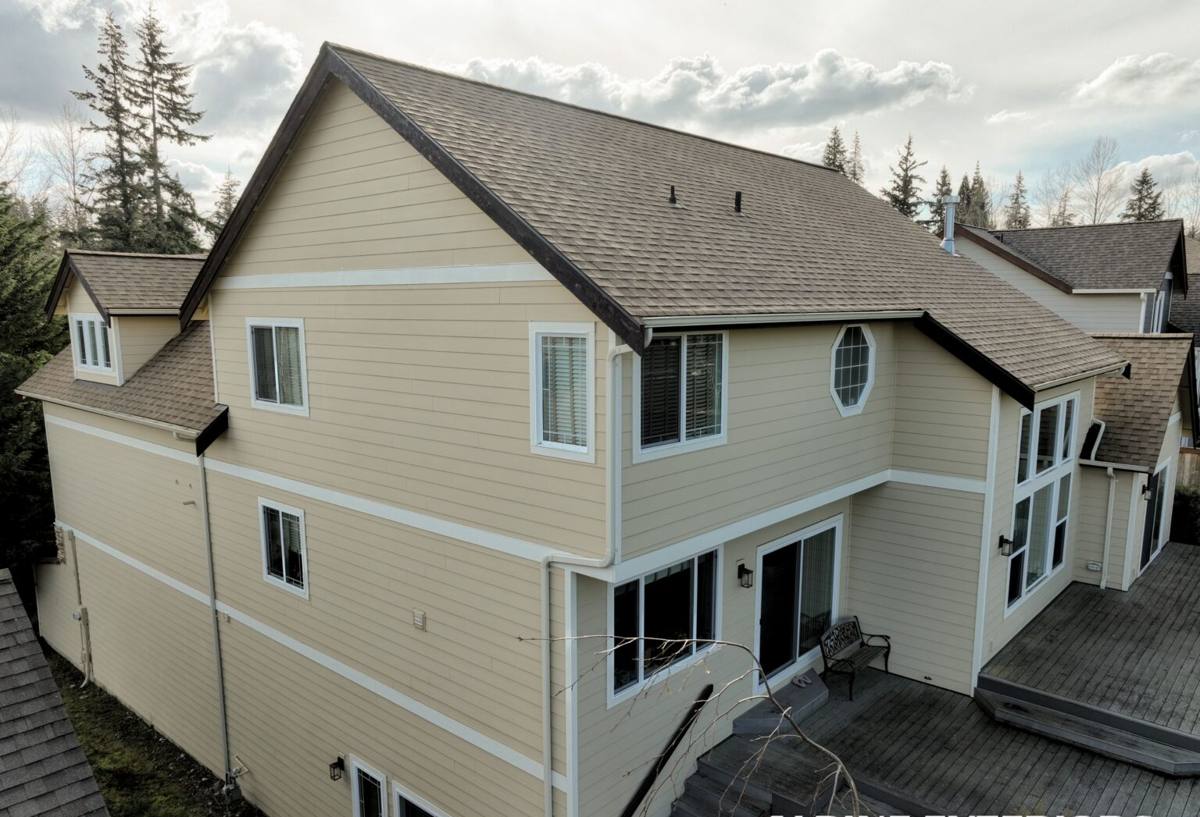
What Redington Beach Properties Actually Demand From a Deck
Wind
Pinellas County is squarely in a high-wind zone under the Florida Building Code, and barrier island properties like Redington Beach sit at the upper end of that exposure. Framing connections — post to beam, beam to ledger, joist to rim — need hardware and fastening schedules sized for uplift and lateral load, not just gravity load. This is engineering, not decoration; it's the difference between a deck that stays put in a strong storm and one that doesn't.
Salt air
Salt-laden air corrodes standard hardware far faster than it would inland. Fasteners, joist hangers, and structural screws all need corrosion resistance rated for this environment, and the fastener metal has to be compatible with whatever treated lumber or composite substructure it's driven into — mismatched metals cause galvanic corrosion that can quietly weaken a deck from the inside.
UV exposure
Florida sun is intense year-round, and a west- or south-facing deck near the Gulf gets more of it than most. Decking surfaces, railing components, and any finish or sealant applied to wood all need to be chosen with UV stability in mind, or you're looking at fading, checking, and surface breakdown well before the structure itself is due for attention.
Wind-driven rain and moisture cycling
Decks here go through frequent wet-dry cycles, plus occasional wind-driven rain that gets up under railings and into ledger connections. Flashing at the ledger board, proper drainage away from the house, and gapping between deck boards all matter more here than they would in a drier, calmer inland setting.
Material Choices for a Gulf-Front Deck
There's no single "right" material for every project — it depends on budget, maintenance appetite, and how close to the water the deck actually sits. Here's an honest comparison of the main options we work with for Redington Beach jobs.
| Material | Upfront Cost | Maintenance | Salt/UV Performance | Typical Lifespan |
|---|---|---|---|---|
| Pressure-treated pine | Lowest | Regular sealing/staining needed | Fair — needs upkeep to hold up near the Gulf | 10–15 years with maintenance |
| Composite decking | Mid to high | Low — periodic cleaning | Good, if a UV-stable/coastal-rated product is chosen | 20–25+ years |
| PVC decking | Highest | Lowest | Very good — non-organic, doesn't absorb moisture | 25+ years |
| Tropical hardwood | High | Regular oiling to maintain color | Naturally dense and durable, but still needs upkeep | 20–25 years with maintenance |
For framing, we treat pressure-treated lumber rated for ground contact as the baseline for anything within reach of salt spray, and we'll talk through composite or PVC substructure options where they make sense for a given design. The decking surface and the framing underneath don't have to match materials — but the fasteners connecting them absolutely have to be right for both.
Why we're selective about certain products
We don't push whatever's cheapest or whatever has the flashiest warranty brochure. Some decking and railing products look great in a showroom but behave poorly once they're exposed to constant salt air and full Gulf sun — excess expansion and contraction, color fade, or moisture retention at fastener points. Our standard is picking products with a track record in this specific climate, not just a good look on day one.
Framing and Fastener Standards We Hold to on Every Job
- Stainless steel or coated structural connectors rated for coastal/corrosive environments, not standard interior-grade hardware
- Ledger board properly flashed and separated from the house's water-resistive barrier to prevent hidden rot
- Joist hangers and post bases sized and spaced for the wind uplift loads required in this part of Pinellas County
- Footings sized for local soil conditions, not just a generic minimum
- Deck board spacing that allows proper drainage and airflow underneath
- Railing systems anchored to resist lateral load, not just attached for looks
These aren't upsells — they're the baseline we build to because we've seen what happens when a deck near the water is built to inland standards.
Permitting and Code Requirements
Custom decks in Redington Beach and surrounding Pinellas County communities generally require a building permit, and depending on size, height, and attachment to the home, may need engineered or sealed plans to meet Florida Building Code wind load requirements. Waterfront and elevated properties can also carry additional considerations tied to flood zone requirements. We handle the permit process as part of the job — pulling the right permit, coordinating any required inspections, and making sure the finished deck is documented correctly, which matters both for safety and for resale down the road.
Skipping the permit step is one of the more common corners cut on deck projects, and it's the wrong place to save money — an unpermitted deck can become a real problem when a home sells or when insurance gets involved after a storm.
How We Approach a Redington Beach Deck Project
- On-site assessment. We look at sun and wind exposure, proximity to the water, existing structure condition (for replacement projects), and how the deck will actually be used.
- Design and material selection. We walk through the material comparison honestly — budget, maintenance tolerance, and how close the deck sits to salt spray all factor in.
- Permitting. We prepare and submit what's required for the jurisdiction, including engineering where needed for wind load.
- Build. Framing first, inspected before decking goes down, then decking, railing, and any finishing details.
- Final walkthrough. We go over the finished deck together and cover basic care specific to the materials used.
Why a Crew That Already Works This Area Matters
A deck built by a crew that mostly works inland can still be a fine crew — but they may not default to coastal-rated hardware, may not be used to the local permitting process for waterfront and near-waterfront properties, and may not have a feel for how fast standard materials degrade a few blocks from the Gulf. Working out of Largo, we're in and out of Redington Beach and the surrounding beach communities regularly, which means we're not learning the local wind and salt exposure requirements on your project — we already build to them as a matter of routine.
That familiarity also matters after a storm. If a deck takes wind or debris damage, having a crew that already knows the area's typical construction and permitting patterns makes the repair process faster and less of a headache.
Keeping a Coastal Deck in Good Shape
Whatever material you choose, a little regular attention goes a long way this close to the Gulf:
- Rinse salt residue off the deck surface and railings periodically, especially after windy stretches
- Check fastener heads and connectors for early rust or staining once or twice a year
- Keep gaps between deck boards clear of debris so water drains properly
- Re-seal or re-oil wood decking on the schedule the product calls for — don't wait for visible fading
- Have the structure looked at after any major storm, even if nothing looks obviously wrong
Catching small issues — a loosening connector, an early sign of rot at the ledger — early is far cheaper than dealing with them after they've spread.
Get a Straight Answer on Your Project
Every Redington Beach property is a little different depending on how close it sits to the water, how it's elevated, and what condition the existing structure is in. If you're planning a new deck or need an honest look at replacing or repairing one, we're happy to come take a look and walk through your options. Use the form below to request a free, no-pressure estimate.