 Largo Siding
 Deck Replacement Built for Pinellas Park's Climate
A deck in Pinellas Park lives outside every single day of the year, and Pinellas County doesn't give outdoor structures an easy time of it. Between the intense year-round UV, wind-driven summer rain, salt-laden air drifting in off the Gulf and Tampa Bay, and the occasional hurricane-force wind event, a deck here ages faster than the same structure would almost anywhere inland. If your deck is cupping, splitting, spongy underfoot, or held together with hardware that's more rust than metal, replacement usually makes more sense than another round of patch repairs. This page covers what a correct deck replacement looks like specifically for a Pinellas Park property, and why hiring a crew that already works this area matters.
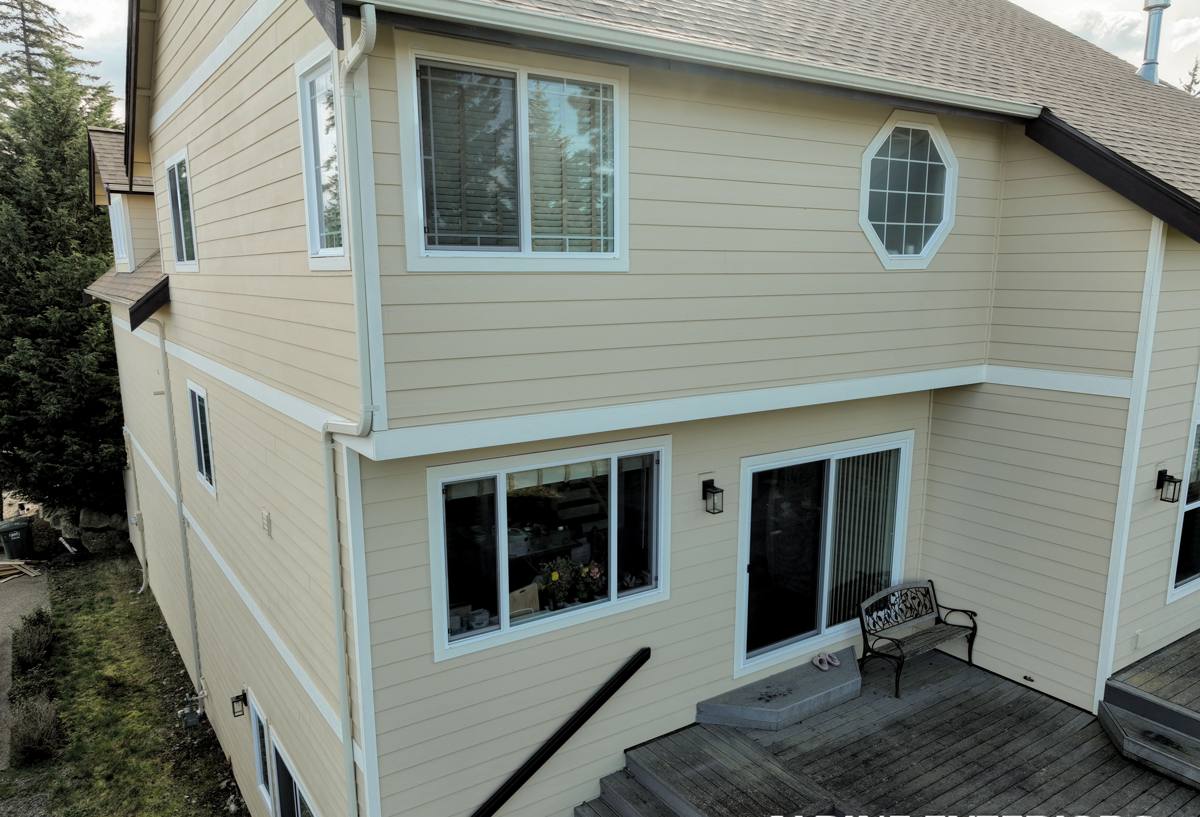
Why Decks Fail Faster Here Than in Other Climates
Homeowners moving from other parts of the country are often surprised by how quickly an outdoor structure can deteriorate on the Gulf Coast. It isn't one factor — it's several working together, day after day.
UV Exposure
Florida sun breaks down wood fibers and degrades the surface finish on composite and PVC boards over time. Even "fade-resistant" products lose some color and sheen faster under Pinellas County sun than their published warranties assume, because those ratings are often tested under less extreme conditions.
Wind-Driven Rain and Humidity
Afternoon storms don't just wet the deck surface — wind pushes rain sideways and underneath boards, into joist bays, and against ledger connections. Combined with our humidity, moisture has a hard time fully drying out between rain events, which is exactly the condition that feeds rot and mildew.
Salt Air
Pinellas Park sits close enough to the coast that airborne salt reaches fasteners, brackets, and any exposed metal hardware. Standard hardware corrodes faster here; it's one of the most common hidden failure points we find on older decks — the boards look fine, but the fasteners holding them down don't.
Storm and Wind Loading
Even when a hurricane doesn't make a direct hit, Pinellas County regularly sees tropical-storm-force winds and gusts that stress ledger connections, railings, and stair framing. A deck that was adequate when built may not meet what current wind-load expectations call for.
Signs Your Pinellas Park Deck Needs Replacement, Not Repair
- Boards that flex, feel spongy, or sound hollow when walked on
- Visible cupping, splitting, or graying that goes beyond the surface
- Rust streaks around fasteners or visibly corroded brackets and joist hangers
- A ledger board (where the deck attaches to the house) that's soft, stained, or separating
- Railings or posts that wiggle more than a firm push should allow
- A deck older than 15-20 years that has never had the structural framing inspected
- Repairs that keep coming back in the same spot every year or two
If it's just a handful of surface boards on an otherwise sound frame, repair can be the right call. But once the framing, ledger, or hardware are compromised, patching individual boards is a short-term fix on a structure that's already telling you it's done.
What a Correct Deck Replacement Involves
A deck replacement is more than pulling up old boards and screwing down new ones. Done right, it starts below the surface.
1. Structural Assessment
We check the ledger board attachment, joist condition, post footings, and any signs of past water intrusion at the house connection. This is where a lot of hidden problems live, especially on older Pinellas Park homes where a deck may have been added or modified over the years without full permitting.
2. Framing and Hardware Upgrade
Given the salt air and humidity here, we don't reuse old fasteners or hangers on new construction. Correct hardware for our climate means corrosion-resistant, coated fasteners and connectors rated for outdoor and coastal-adjacent use, matched properly to whatever decking material goes on top (mismatched metals can accelerate corrosion).
3. Proper Flashing at the Ledger
The ledger-to-house connection is the single most common point of hidden rot on any deck. Correct flashing keeps wind-driven rain from working its way behind the ledger and into the house rim joist — a detail that's easy to skip and expensive to ignore.
4. Decking Material Installation
Proper board spacing accounts for material expansion in Florida heat, drainage beneath the deck surface, and manufacturer-specified fastening patterns. Getting spacing wrong is a common cause of premature warping and pooling water.
5. Railings and Code Compliance
Railing height, baluster spacing, and stair requirements are governed by Florida Building Code, and Pinellas County enforces permitting on deck work. We handle what's required rather than leaving a homeowner to sort that out after the fact.
Choosing Decking Material for a Pinellas Park Home
There's no single "best" decking material — the right choice depends on budget, maintenance appetite, and how much direct sun and salt exposure the deck gets. Here's how the common options actually compare in this climate.
| Material | Upfront Cost | Maintenance | How It Handles Our Climate |
|---|---|---|---|
| Pressure-treated wood | Lowest | Annual sealing/staining recommended | Affordable but most vulnerable to UV fading, humidity, and rot without upkeep |
| Composite decking | Mid-high | Low — periodic cleaning | Resists rot well; quality and UV fade-resistance vary a lot by product line |
| PVC/capped polymer | Highest | Lowest | Best moisture resistance; holds up well to salt air and sun with minimal upkeep |
| Tropical hardwoods | High | Moderate — periodic oiling | Naturally dense and rot-resistant but needs upkeep to maintain appearance |
We'll walk through these trade-offs honestly during your estimate rather than steering you toward whatever has the best margin. If a lower-maintenance material fits your budget, that's often the better long-term value in a climate this hard on outdoor structures.
Our Deck Replacement Process
- On-site evaluation — We inspect the existing deck, ledger connection, and framing to confirm replacement is the right call and identify any underlying issues at the house.
- Written estimate — A clear scope and price, including material options, so you're comparing real numbers, not guesses.
- Permitting — We handle the Pinellas County/Pinellas Park permit process for the work that requires it.
- Demolition and disposal — Full removal of the old deck, including hauling away debris.
- Framing and structural work — New or reinforced framing, corrosion-resistant hardware, and correct ledger flashing.
- Decking, railing, and stairs — Installed to manufacturer spec and current code.
- Final walkthrough — We go over the finished deck with you before calling the job done.
Cost Factors for Deck Replacement
Every deck is different, so we won't quote a number without seeing the project, but these are the main factors that move the price:
- Deck size and shape (multi-level and non-rectangular layouts cost more than a simple square footprint)
- Decking material chosen (pressure-treated wood, composite, and PVC span a wide cost range)
- Condition of the existing framing and whether it can be reused or needs full replacement
- Railing style and stair requirements
- Permitting and any code-required upgrades from when the original deck was built
- Site access and how easily materials and equipment can reach the deck area
We give straightforward, honest ranges during the estimate rather than a lowball number that grows once work starts.
Why Hire a Crew That Already Works in Pinellas Park
Deck construction that works fine in a dry, mild climate can fail early here if it's built the same way. A crew that regularly works in Pinellas Park and greater Largo already knows which hardware holds up to salt air, how local wind exposure should factor into framing decisions, and what Pinellas County's permitting and inspection process actually requires — so there are no surprises mid-project. That local experience is the difference between a deck that needs attention again in five years and one that's still solid well beyond that.
Maintaining Your New Deck
Whatever material you choose, a little routine care extends its life significantly in this climate:
- Clear leaves and debris from between boards and around the deck perimeter regularly
- Keep gutters and downspouts near the deck clear so water isn't dumping directly onto or under it
- Rinse off salt residue periodically if the deck is near open water or takes coastal breeze directly
- Check railings and stair connections once or twice a year for looseness
- For wood decking, plan on resealing/staining on the schedule the product calls for — don't wait until it looks bad
If your Pinellas Park deck is past the point of patching, we're happy to take a look and give you an honest read on repair versus replacement. Reach out for a free, no-pressure estimate — the form below gets you started.