 Largo Siding
 Siding Replacement in Palm Harbor: A Different Climate Problem Than Most of the Country
Palm Harbor sits in Pinellas County, close enough to the Gulf and to Lake Tarpon that homes here take on a specific combination of stressors most siding products were never designed for: hurricane-force wind loads, sun exposure that runs nearly year-round instead of seasonally, rain that gets driven sideways into seams and laps during storms, and salt-carrying air that speeds up corrosion on anything not built to resist it. Siding replacement in this part of Florida isn't just a cosmetic upgrade — it's the single biggest factor in whether a home's exterior actually holds up between now and the next major storm.
We work Palm Harbor regularly as part of our Largo-based service area, and the siding failures we see here follow a pattern. It's rarely one catastrophic event that takes siding down. It's small, unaddressed weaknesses — a gap in flashing, an underlayment that wasn't rated for coastal humidity, fasteners that were never meant to hold against sustained wind — that compound over years until a storm finds them all at once.
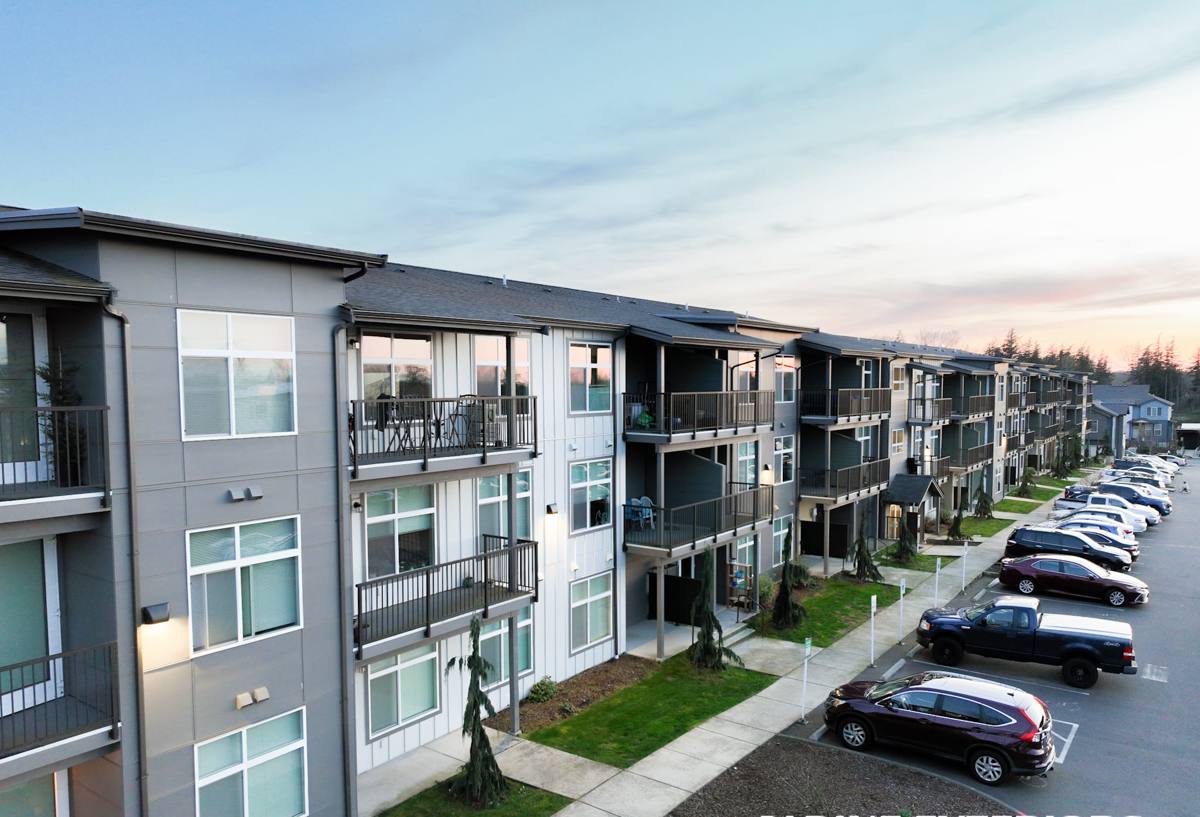
What Pinellas County Conditions Actually Do to Siding Over Time
Wind Load
Palm Harbor's building code requires exterior materials to meet specific wind-pressure ratings, and for good reason. Sustained coastal winds and the gusts that come with tropical storms and hurricanes put constant lateral and uplift pressure on siding panels. Products that aren't rated for the loads seen here — or that were installed with the wrong fastener pattern — can start to lift, flex, or separate from the wall long before a named storm ever makes landfall.
UV Exposure
Florida sun is relentless in a way that shortens the useful life of paint, coatings, and some siding substrates. Painted surfaces chalk, fade, and lose adhesion faster here than almost anywhere else in the country, which means a siding replacement that depends on job-site paint is signing up for a repaint cycle within a handful of years.
Wind-Driven Rain
Rain in a Gulf-influenced climate rarely falls straight down during the storms that matter most. It gets pushed horizontally and forced up under laps, around trim, and into any gap in the water-resistive barrier. A siding system's moisture management — not just the surface material — determines whether that water stays out of the wall assembly or works its way in.
Salt Air
Even homes that aren't waterfront in Palm Harbor sit close enough to the coast that airborne salt reaches fasteners, trim, and any exposed metal. Salt accelerates corrosion, and corroded fasteners or flashing are one of the more common hidden causes of siding failure we find when we tear off an old system.
Signs a Palm Harbor Home Needs Replacement, Not Just Repair
Not every siding problem calls for a full replacement, but in this climate, small issues escalate faster than they would inland. Here's what tells us a repair won't hold:
- Soft, spongy, or crumbling sections when pressed — usually a sign moisture has already reached the wall sheathing
- Panels that have visibly bowed, cupped, or pulled away from the wall line
- Paint that's failing across large areas rather than in isolated spots, especially on south- and west-facing walls
- Persistent staining or streaking below seams and trim that returns after cleaning
- Visible gaps at butt joints, corners, or around windows and doors
- Siding that's original to a home built before current wind-rating codes were in place
- Interior signs — musty smells, peeling interior paint, or warped drywall near exterior walls
One or two of these on their own might be a repair. Several together, especially on a home that's due for an exterior update anyway, usually means the underlying material and water management system have reached the end of their useful service life.
What a Correct Siding Replacement Actually Involves
A siding replacement is judged by what's underneath it, not just what it looks like from the street. In Palm Harbor's climate, cutting corners on any one of these steps is what turns a 30-year siding job into a 10-year problem.
Full Tear-Off and Substrate Inspection
We remove the existing siding down to the sheathing rather than installing over it. That's the only way to actually see what's happening underneath — soft spots, old water damage, or rot that a re-side would just seal in.
Correct Water-Resistive Barrier
A weather barrier rated for this climate goes on before any siding, with attention to how it's lapped and sealed at every penetration. This is the layer that matters most for wind-driven rain, and it's also the layer that's easiest to install poorly if a crew is rushing.
Flashing at Every Vulnerable Point
Windows, doors, roof-to-wall transitions, and any wall penetration need flashing detailed to shed water outward, not trap it. Most of the hidden failures we find in older Pinellas County homes trace back to flashing that was missing or installed backward.
Fastening to Manufacturer and Wind-Zone Specification
Fastener type, spacing, and embedment have to match both the manufacturer's requirements and the local wind zone. This is one of the most commonly skipped details in siding work, and it's the one most directly tied to whether siding stays on the house during a major wind event.
Permitting and Code Compliance
Siding replacement in Pinellas County is permitted work. A job pulled and inspected correctly gives you a paper trail that matters for insurance, resale, and warranty claims — not just a box to check.
Why We Install Only James Hardie Fiber Cement Siding
We don't install vinyl, LP SmartSide, or other engineered wood siding products, and Palm Harbor's climate is a big part of why. Vinyl can soften, warp, or become brittle under sustained UV and heat, and it has real limits on the wind ratings it can achieve without extra bracing. Engineered wood siding depends on its factory coating and moisture management staying intact — a tall order given how much wind-driven rain and humidity this area sees year-round.
James Hardie fiber cement is non-combustible, doesn't swell or rot from moisture the way wood-based products can, and is engineered specifically for high-wind, high-moisture climates through its HZ5 product line, which is built for exactly the wind and humidity conditions Pinellas County sees. Its ColorPlus finish is baked on at the factory rather than applied on-site, which matters directly for UV exposure — it holds color and resists fading far longer than a field-applied paint job exposed to Florida sun from day one. Paired with a transferable warranty, it's the system we're comfortable standing behind on a Palm Harbor home for the long haul.
Cost Factors in a Palm Harbor Siding Replacement
| Factor | Why It Affects Cost Here |
|---|---|
| Home size and wall complexity | More corners, gables, and transitions mean more flashing and trim work |
| Extent of substrate damage | Rotted or soft sheathing found during tear-off needs repair before new siding goes on |
| Siding profile and accessories | Trim boards, soffit, and accent details add labor beyond flat wall coverage |
| Wind-zone fastening requirements | Denser fastener patterns required for coastal wind ratings add install time |
| Color and finish selection | Factory-finished ColorPlus panels avoid a future repaint but vary by color line |
| Permitting and inspection | Required for compliant work; protects you if a claim comes up later |
We won't quote a number without seeing the home, but these are the variables that actually move the price, and we walk through each one with you during the estimate.
How Our Process Works
- Free on-site assessment — we inspect the existing siding, look for moisture or substrate issues, and take measurements
- Written estimate — a clear scope of work and price, with product and color options reviewed together
- Permitting — we handle the Pinellas County permit before work begins
- Tear-off and substrate check — old siding comes off and any damaged sheathing is identified before covering anything up
- Weather barrier and flashing installation — the moisture-management layer goes on correctly, not just quickly
- Hardie siding installation — installed to manufacturer spec and local wind-zone fastening requirements
- Final walkthrough and inspection — we review the finished job with you and close out the permit
Why It Matters That Your Crew Already Works in Palm Harbor
Siding installation isn't uniform across Florida, let alone across the country. A crew that regularly works Pinellas County knows the wind-zone fastening requirements without looking them up, has a working relationship with local permitting, and has actually seen what salt air and wind-driven rain do to homes in this specific area over time — not a textbook version of coastal exposure, but the real pattern of failures that show up on Palm Harbor houses. That familiarity shows up in the details: how flashing gets detailed around a specific window style common in the area, how fastener schedules get adjusted for a home's actual wind exposure, and how the finished job gets inspected before we call it done.
Out-of-area crews or one-off installers may do competent general siding work, but the coastal-specific judgment calls — the ones that determine whether a job survives its first real storm — come from repetition in this exact climate, not from a manual.
A Straight Answer on Timeline
Most single-family siding replacements in this area run from a few days to a couple of weeks depending on home size, substrate condition, and weather delays — Florida's rain patterns can push a schedule, and we'd rather build in a realistic timeline than rush flashing work to hit an artificial deadline. We'll give you a specific estimate once we've seen the home.
If your Palm Harbor home's siding is showing its age or you're planning ahead of the next storm season, we're happy to take a look and give you an honest assessment — no pressure, no obligation. Use the form below to request a free estimate.