 Largo Siding
 Windows Built for What Palm Harbor Actually Deals With
Palm Harbor sits close enough to the Gulf that salt air, wind-driven rain, and hurricane-strength gusts are part of normal life, not rare events. At the same time, the average day here is just plain hot and sunny, which means a window is working two jobs at once: keeping storms and moisture out, and keeping your air conditioning bill from spiraling every summer. A window that's only good at one of those jobs isn't doing its job. We install and replace windows across Pinellas County with both of those demands in mind, not just whichever looks best in a showroom.
This page is about one thing specifically: energy-efficient window replacement for homes in the Palm Harbor area, and what "energy-efficient" actually needs to mean once you factor in Florida sun, salt air, and storm exposure.
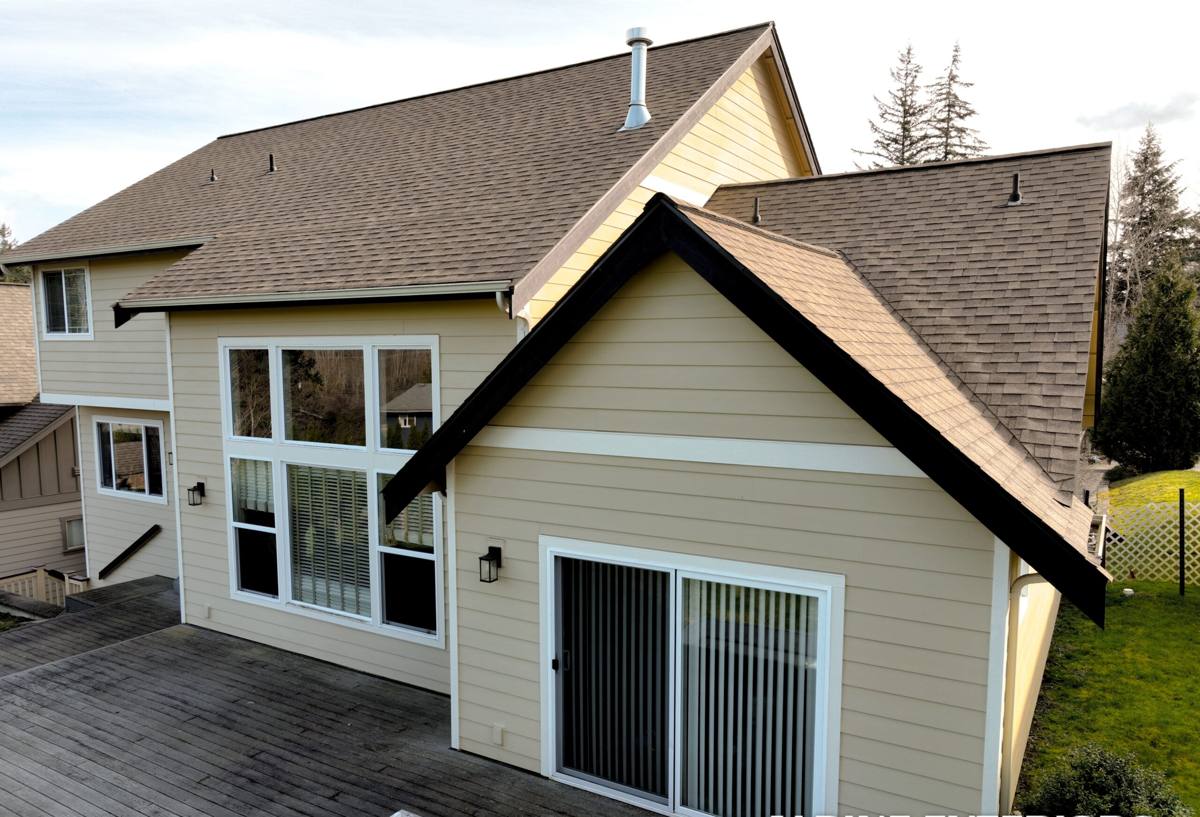
What "Energy-Efficient" Really Means Here
In a lot of the country, an energy-efficient window is mostly about keeping heat in during winter. In Palm Harbor, the job is almost the opposite: keeping outside heat and UV load from cooking your living room all afternoon, while your AC system fights to keep up. A few specs matter more than the marketing language on the box:
U-Factor
This measures how much heat moves through the window overall. Lower is better. It matters here mostly for keeping conditioned air from bleeding out through the glass and frame during the hottest and most humid stretches of the year.
Solar Heat Gain Coefficient (SHGC)
This one matters more in Florida than U-factor does. It measures how much solar heat passes through the glass into your home. A lower SHGC means less heat gain on a west-facing wall in July, which is where most Palm Harbor homeowners actually feel the difference on their electric bill.
Low-E Coatings
A low-emissivity coating is a microscopically thin layer on the glass that reflects infrared heat back outside while still letting visible light through. It's one of the cheapest upgrades, dollar for dollar, at cutting solar heat gain without darkening the room.
Gas Fills and Spacers
Argon or krypton gas between panes slows heat transfer compared to plain air. Warm-edge spacers (as opposed to older metal spacers) reduce condensation risk at the edge of the glass, which matters in a humid climate where moisture at the seal is a long-term failure point.
Impact Rating Isn't Optional Here — It's a Different Category
A window can be energy-efficient and still fail badly in a storm if it isn't rated for wind-borne debris. Much of Pinellas County, including parts of the Palm Harbor area, falls within Florida's wind-borne debris region under the Florida Building Code, which means window replacements are subject to specific wind-load and impact requirements enforced through the local permitting process — not just a suggestion from a salesperson.
There are two ways to meet that requirement: true impact-rated windows (laminated glass that stays intact when struck) or non-impact windows paired with code-compliant shutters or panels. We'll tell you honestly which path makes sense for your home, your budget, and how the openings are used, rather than defaulting to the most expensive option by habit.
The important point for energy efficiency specifically: impact glass is almost always laminated with an interlayer, and that laminate itself adds a modest sound-dampening and thermal benefit on top of whatever coating or gas fill is used. It's not automatically more efficient, but a well-built impact-rated window doesn't have to be a downgrade in comfort to get storm protection.
Frame Material: What Actually Holds Up in Salt Air
Frame choice affects efficiency, maintenance, and lifespan, and salt air is unforgiving toward the wrong choice. Here's how the common options compare for a Palm Harbor home specifically:
| Frame Material | Energy Performance | Salt Air / Coastal Behavior | Maintenance |
|---|---|---|---|
| Vinyl | Good insulator, multi-chamber designs improve U-factor | Doesn't corrode; can discolor or become brittle with age in intense UV | Low — no painting, occasional cleaning |
| Aluminum | Conducts heat readily unless thermally broken | Prone to pitting and corrosion near the coast without proper coatings | Moderate — coating maintenance matters |
| Fiberglass | Strong insulator, dimensionally stable in heat | Handles salt air and UV very well | Low, but higher upfront cost |
| Wood / Wood-Clad | Good insulator with proper glass package | Poor fit for direct coastal exposure without diligent upkeep | High — refinishing and moisture management required |
We don't push wood-clad frames on homes with direct salt exposure — not because the product is bad, but because the maintenance burden and moisture risk in this climate usually outweighs the look, and we'd rather tell you that upfront than sell you a callback in three years.
How We Approach a Palm Harbor Window Replacement
1. On-site assessment
We look at sun exposure by elevation (west and southwest walls take the worst of it), existing frame condition, current flashing and moisture history, and whether the home falls under any specific wind-load or impact requirements for its permitting jurisdiction.
2. Product selection based on the actual wall, not a catalog default
A shaded north-facing window and an unshaded west-facing window in the same house don't need identical glass packages to perform well. We size the SHGC and U-factor decisions to where the window actually sits.
3. Correct flashing and sealing
Most window failures we get called out to fix aren't glass problems — they're water intrusion problems from flashing that was never integrated properly with the wall's water management layer. In wind-driven rain, a window that's beautifully efficient but poorly flashed will still let water in.
4. Permitting and inspection
Window replacement in Pinellas County typically requires a permit and inspection, especially where impact ratings or wind-load compliance are involved. We handle that process as part of the job rather than leaving it for the homeowner to sort out.
5. Final check and cleanup
Every opening gets checked for operation, seal, and finish before we consider the job done.
Signs Your Current Windows Are Costing You More Than You Realize
- Rooms near west-facing or unshaded windows feel noticeably hotter than the rest of the house in the afternoon
- Condensation or fogging between panes (a sign the seal has failed and the gas fill is gone)
- Frames that feel warm to the touch on the interior side during peak sun
- Visible pitting, chalking, or corrosion on aluminum frames
- Difficulty opening, closing, or locking — often a sign of frame warping or settling
- Street noise that seems louder than it should be for a closed window
- Your AC runs longer cycles than it used to without any change in usage habits
What Actually Drives the Cost of a Window Job
There's no single number that applies to every home, but the variables that move the price are consistent. Broadly, homeowners in this area should expect costs to range from a few hundred to a few thousand dollars per opening depending on the factors below — a full-home replacement is a different conversation than replacing two or three windows.
| Factor | Why It Matters |
|---|---|
| Impact rating vs. standard glass | Laminated impact glass and reinforced frames cost more than standard insulated glass units |
| Frame material | Fiberglass and quality vinyl typically cost more upfront than basic aluminum, but last longer in salt air |
| Glass package (Low-E, gas fill, coatings) | Better solar control glass adds cost but does most of the work on your cooling bill |
| Window size and configuration | Larger openings, sliders, and custom shapes cost more than standard single- or double-hung units |
| Number of openings | Full-home jobs typically bring a better per-window cost than one-off replacements |
| Condition of existing opening | Rot, prior water damage, or out-of-square framing adds labor before the new window even goes in |
Why It Matters That We Already Work in Palm Harbor
A crew that only shows up in this area occasionally doesn't have a working relationship with the local permitting office, doesn't have a feel for how a given street's exposure to wind and salt behaves differently from a block further inland, and doesn't carry that knowledge from job to job. We do this work across Pinellas County regularly, which means fewer surprises with inspections, a better sense of which products actually hold up here versus which ones look good on paper, and a straight answer when a homeowner asks "does this really need to be impact-rated, or would shutters make more sense for this house."
It also means accountability. If a seal fails or flashing needs attention two years down the road, we're not a name you have to track down — we're already working in the neighborhood.
Maintenance That Actually Extends the Life of the Investment
Even a well-installed, high-quality window needs a little upkeep in a salt-air environment. Rinsing frames and tracks periodically reduces salt buildup that accelerates corrosion on hardware and aluminum components. Keeping weep holes clear prevents water from pooling in the frame. And catching a failed seal (visible fogging) early means replacing an insulated glass unit instead of the whole window. None of this is difficult, but it's easy to overlook until something fails.
If you're weighing whether it's time to replace windows on your Palm Harbor home, we're happy to take a look and give you a straight, no-pressure assessment — no obligation, just an honest read on what your home actually needs. Use the form below to request a free estimate.