 Largo Siding
 Fiber Cement Siding for Oldsmar Homes
Oldsmar sits at the edge of Old Tampa Bay, close enough to the water that homes here take on a specific mix of exterior stress: salt-laden air moving off the bay, long stretches of direct Florida sun, and the wind-driven rain that comes through with summer storms and the occasional hurricane. Siding that works fine in a drier, cooler climate often struggles here. We install James Hardie fiber cement siding for homeowners in Oldsmar and the surrounding Largo area, and this page covers what that job actually involves — not the generic version, but what it takes to get it right on a Pinellas County home.
We're a Largo-based crew, which means Oldsmar isn't a stretch assignment for us. It's inside our regular service area, and we've measured, cut, and fastened Hardie board on homes with the same exposure conditions your house deals with. That local familiarity shows up in small decisions during the job — flashing details, fastener spacing, how a wall gets primed and caulked before the first course goes up — that matter more here than they would somewhere without our climate.
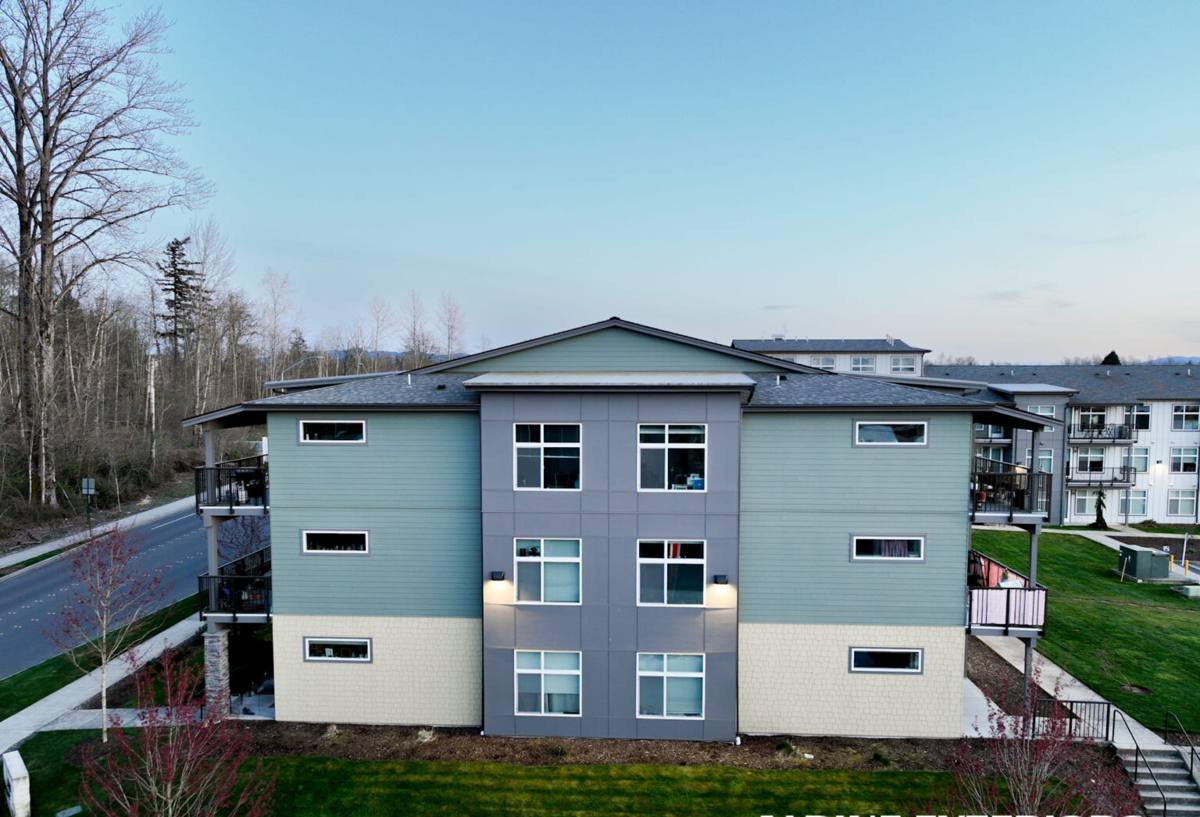
Why Oldsmar's Climate Is Hard on Siding
Four conditions do most of the damage to exterior cladding in this part of Florida, and Oldsmar gets all four:
- Salt air: Proximity to Old Tampa Bay means airborne salt settles on exterior surfaces year-round, accelerating corrosion of fasteners, trim metal, and anything not rated for coastal exposure.
- UV load: Florida sun is intense and consistent almost every month of the year. Paint films that hold up fine in northern climates chalk, fade, and break down faster under this level of exposure.
- Wind-driven rain: Storms here don't just drop rain — they push it sideways into wall assemblies, testing every seam, lap, and penetration in the siding system.
- Hurricane-force wind events: Even homes that never take a direct hit see repeated high-wind stress over the years, which loosens improperly fastened siding long before a storm ever makes landfall.
None of this is unique to Oldsmar specifically — it's Pinellas County and the broader Tampa Bay region generally — but it's worth stating plainly because it changes what "correct installation" means here compared to a milder climate. A siding job that would pass inspection in a low-exposure region can fail early in a high-exposure one if it's not detailed for the conditions.
What This Means in Practice
Because of that exposure profile, we treat certain steps as non-negotiable on every Oldsmar job: correct clearance from grade and roofing, sealed and back-primed cut edges, stainless or hot-dip galvanized fasteners where corrosion risk is elevated, and a water-resistive barrier detailed to shed wind-driven rain rather than just block still water. These aren't upgrades — they're what a fiber cement installation needs to actually perform in this climate, not just look good on installation day.
Why We Install James Hardie — Not the Alternatives
We standardized on James Hardie fiber cement and don't install vinyl, LP SmartSide, or other fiber cement brands. That's a deliberate call, not a lack of options.
Vinyl siding is inexpensive and low-maintenance in mild climates, but it softens and can deform under sustained high heat, and its impact resistance drops in cold snaps — a real if occasional risk even in Florida. In a high-wind, high-UV environment like Oldsmar's, vinyl's thinner profile and mechanical fastening (it hangs rather than nails tight) make it more vulnerable to wind uplift and long-term warping than a heavier fiber cement product.
Engineered wood products like LP SmartSide perform well in many markets, but they're wood-based, and wood-based siding is more sensitive to sustained moisture exposure — a real concern in a region with heavy rain, high humidity, and salt air working on the surface finish. We're not saying it fails; we're saying it asks more of the maintenance schedule and the installation detailing than we're comfortable committing to on a coastal Florida home.
Other fiber cement brands exist, and cement-based siding in general is the right category for this climate — it's dimensionally stable, doesn't burn, and doesn't rot. We chose James Hardie specifically within that category because of its ColorPlus factory-applied finish (which resists the UV fading that field-painted siding suffers here), its HZ5 product line engineered for high-humidity, high-moisture climates like ours, and a warranty structure that's transferable and backed by a manufacturer with decades of track record in exactly this kind of environment.
James Hardie Product Lines for This Climate
Hardie makes several siding profiles, and the right one for an Oldsmar home depends on the style of the house and what look the homeowner wants.
| Product | Best Use | Notes for This Climate |
|---|---|---|
| HardiePlank Lap Siding | Most common choice — traditional horizontal lap look | Available in smooth or cedar-texture finish; HZ5 formulation suited to Gulf Coast humidity |
| HardiePanel Vertical Siding | Modern facades, accent walls, gable ends | Fewer horizontal laps means fewer potential water entry points on high-exposure walls |
| HardieShingle | Accent areas, gables, dormers | Staggered or straight-edge shingle look without the moisture sensitivity of wood shingle |
| HardieTrim | Corners, fascia, window and door trim | Matches the siding's fire resistance and finish durability where trim meets constant sun exposure |
All of these come with the ColorPlus factory finish system, which matters more here than in most markets — a factory-baked finish resists the fading and chalking that Florida's UV load causes in field-applied paint, and it means touch-ups and repaints happen far less often over the life of the siding.
What a Correct Installation Involves
Fiber cement siding is only as good as the installation behind it. The board itself is durable, but a poorly detailed install will let water behind the cladding regardless of what brand is on the wall. On an Oldsmar project, our process includes:
- Substrate inspection: Checking the sheathing underneath existing siding for rot, delamination, or prior water damage before anything new goes up.
- Water-resistive barrier: Installing or verifying a code-compliant weather barrier, lapped correctly to shed water downward and outward — critical given how often wind pushes rain sideways here.
- Flashing at penetrations: Windows, doors, hose bibs, and vents all get proper flashing so water can't track behind the siding at these vulnerable points.
- Correct fastening: Following Hardie's fastener spacing and embedment specs exactly, using corrosion-resistant fasteners appropriate for coastal exposure.
- Proper clearances: Maintaining minimum clearance from grade, roofing, and decks per manufacturer spec, which prevents wicking moisture into the bottom of the siding.
- Caulking and sealing: Sealing joints and butt seams with a high-quality, paintable sealant rated for exterior use — done sparingly and correctly, not as a substitute for proper flashing.
Skipping or rushing any one of these steps is usually invisible on installation day and shows up two, five, or ten years later as a soft spot, a stain, or a section that's pulling away from the wall.
Our Process for Oldsmar Homeowners
The process is straightforward, and we keep it that way on purpose:
- On-site assessment: We look at your existing siding, the condition of the substrate underneath where visible, and the specific exposure your home faces (waterfront proximity, tree cover, prevailing wind direction).
- Written estimate: A clear scope of work and cost breakdown — no vague allowances, no pressure to decide on the spot.
- Product selection: Walking through Hardie profiles, textures, and ColorPlus color options based on your home's style and any HOA requirements common in the area.
- Installation: Removal of old siding where needed, substrate repair if we find damage, weather barrier and flashing work, then the Hardie install itself to manufacturer spec.
- Final walkthrough: Reviewing the finished job with you before we consider it done.
Why a Local Crew Matters
Fiber cement installation isn't exotic, but doing it correctly in this specific climate takes more than reading a spec sheet. A crew that regularly works Largo, Oldsmar, and the rest of Pinellas County already knows which details get overlooked by installers used to milder markets — how tight to run fastener spacing given regular wind events, which corners of a house catch the worst wind-driven rain, and how HOA and building department expectations run in this part of the county. That's the practical value of hiring locally versus a crew passing through the region for one job.
Cost Factors for an Oldsmar Fiber Cement Project
Every home is different, and we won't quote a number without seeing the job, but the main cost drivers on a fiber cement siding project are consistent:
| Factor | Why It Affects Cost |
|---|---|
| Home size and wall complexity | More square footage and more corners, gables, and dormers mean more material and labor |
| Substrate condition | Rot or water damage found during tear-off adds repair work before new siding can go up |
| Product selection | Lap siding, panel, and shingle profiles carry different material costs; textures and trim packages add up |
| Existing siding removal | Tear-off and disposal of old vinyl, wood, or aluminum siding is a separate labor line |
| Trim and detail work | Corner boards, window trim, and fascia work in Hardie Trim add cost but improve long-term durability and finish |
| Access and site conditions | Multi-story sections, tight lot lines, or landscaping that limits staging can add labor time |
Fiber cement is a mid-to-upper investment compared to vinyl, but the calculus in a climate like this one usually favors it: fewer repaint cycles thanks to ColorPlus, better wind and impact resistance, and a longer service life before replacement becomes necessary again.
Maintenance After Installation
One advantage of Hardie fiber cement with a factory finish is how little upkeep it asks for compared to other siding types in this climate. Realistic expectations for an Oldsmar home:
- Periodic rinsing to remove salt residue and airborne grime — a garden hose is usually enough; avoid high-pressure washing directly at seams and edges.
- Annual visual inspection of caulked joints, trim intersections, and any area where siding meets roofing, decks, or hardscape.
- Prompt attention to any caulk cracking or gapping, since that's usually the first sign a seal needs to be redone before water gets behind the board.
- No need for repainting on the same cycle field-painted siding requires — ColorPlus is engineered to hold color and finish far longer under UV exposure.
Get an Estimate
If your Oldsmar home's siding is aging, showing wear from sun and salt exposure, or you're simply planning ahead of the next storm season, we'll come take a look and give you a straightforward, no-pressure estimate. Use the form below to get started.