 Largo Siding
 New-Construction Windows Are a Different Job Than Replacement
Putting windows into a house that's still framed or freshly block-built isn't the same trade as swapping out an old window in a finished wall. There's no existing frame to reference, no old caulk line to match, and no shortcuts available — the rough opening, the flashing, and the water management plan all get built from scratch. Get it right during new construction and the window performs for decades. Get it wrong, and you've built a leak or a wind failure into the house before the drywall even goes up.
In Palm Harbor, that first-time install matters even more than in most parts of the country. Between the wind loads Pinellas County homes are built to withstand, the constant UV exposure, and the corrosive effect of salt-laden air coming off the Gulf, a window that's installed correctly the first time is one less thing to worry about for the life of the house.
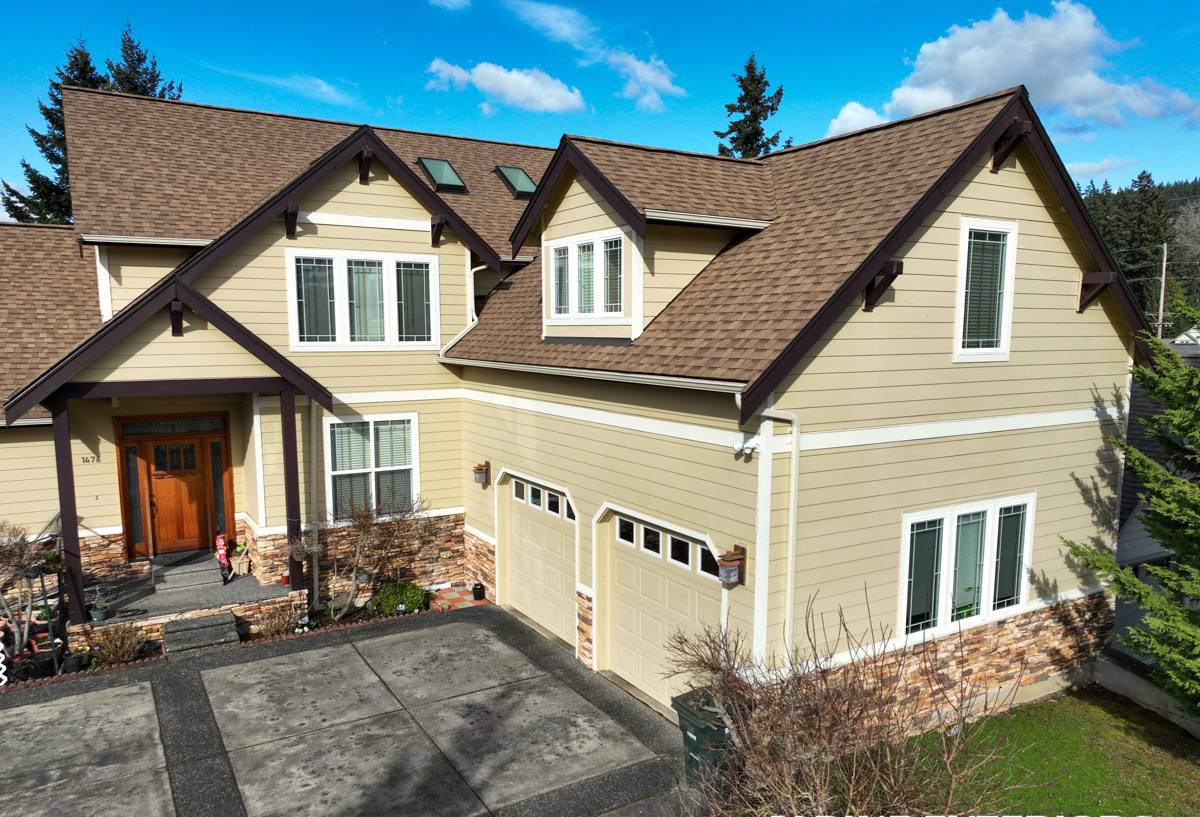
What Palm Harbor's Climate Demands From a Window Install
Palm Harbor sits close enough to the coast that its homes deal with a specific combination of stresses most inland markets never see:
- Hurricane-force wind: Every storm season brings the possibility of sustained high wind and flying debris, which puts direct pressure on both the glass and the anchoring of the frame itself.
- Wind-driven rain: Florida storms don't just drop rain, they push it sideways and upward under pressure. A window that isn't flashed correctly will take on water at the sill or the head, even if the glass and frame are fine.
- Intense, year-round UV: Florida sun degrades vinyl, weatherstripping, and sealants faster than in most states. Lower-quality materials chalk, fade, and lose flexibility years before they would elsewhere.
- Salt air: Proximity to the Gulf means airborne salt can accelerate corrosion on hardware, fasteners, and lower-grade aluminum components, especially closer to the water.
None of these individually is unusual for Florida. What matters is that a new-construction window install in Pinellas County has to account for all four at once — which is a different design conversation than picking a window for looks or price alone.
Florida Code Requirements New Construction Windows Have to Meet
Wind-Borne Debris and Product Approval
Pinellas County falls within Florida's wind-borne debris region, which means new windows generally need to either carry a valid Florida Product Approval (or Miami-Dade Notice of Acceptance) for impact resistance, or be paired with code-approved opening protection. This isn't a preference — it's enforced through permitting and inspection on new construction. The window's rating has to match the specific wind pressures for that location on the house, which vary by elevation, roof height, and exposure.
Energy Code Compliance
Florida's energy code sets requirements for U-factor and solar heat gain coefficient (SHGC) on new windows, which is a bigger deal in a climate that runs air conditioning most of the year. Low-E coated glass is standard practice here now, not an upgrade — it cuts down on heat gain without darkening the glass or changing how the window looks from the street.
Why This Isn't a "Pick Any Window" Situation
A window that's correctly rated for a different wind zone, or one sold without current Florida approval documentation, can hold up an inspection or — worse — pass inspection on paper but underperform in an actual storm. Part of doing this job right is confirming the product approval matches the house's actual wind exposure before it ever goes in the opening.
Our Installation Process, Step by Step
New construction in Palm Harbor means dealing with two very different wall types, often on the same street: traditional wood-frame construction and concrete block (CMU), which is common throughout Pinellas County. The install method changes depending on which one we're working with.
Wood-Frame Openings
- Rough opening is checked for square, level, and correct dimensions before the window ever arrives on site.
- Sill pan flashing goes in first, sloped to shed any water that gets past the window back to the exterior — this is the step most commonly skipped or done poorly, and it's the one that causes hidden rot years later.
- The window is set, shimmed level and plumb, and fastened through the nailing fin per the manufacturer's Florida-approved installation instructions.
- Flashing tape integrates the fin into the house wrap in the correct shingle-lap order so water always sheds outward and downward.
- Sealant and backer rod finish the exterior, and interior shimming is locked in before insulation and drywall close up the opening.
Concrete Block (CMU) Openings
- The masonry opening is checked against the window's approved buck or direct-mount specifications.
- Anchors are set into solid block per the engineering in the product approval — spacing and embedment depth aren't guesswork, they're spelled out in the documentation and inspected against it.
- A proper sill pan or sloped mortar bed handles drainage, since block openings don't have the forgiveness of a wrapped wood frame.
- Sealant joints are sized and backed correctly, since block movement and expansion behave differently than wood framing.
Either way, the goal is the same: a window that's mechanically secure against wind pressure, and a water path that always leads outside the house, never into the wall cavity.
Choosing Frame and Glass for a Palm Harbor Build
There's no single "best" window for every new build — it depends on budget, exposure, and how close the lot is to open water. Here's how the common frame options actually compare for this climate:
| Frame Material | How It Handles Salt Air & UV | Typical Cost Position | Best Fit |
|---|---|---|---|
| Vinyl | Good UV-stable formulations hold up well; avoid low-grade vinyl that chalks and warps in full sun | Most affordable | Standard new-construction homes, most lots |
| Aluminum | Strong and slim-profile, but needs quality coatings to resist salt-air corrosion near the coast | Mid-range | Larger openings, modern architectural styles |
| Fiberglass | Excellent dimensional stability and corrosion resistance; handles temperature swings with minimal expansion | Higher upfront cost | Higher-exposure lots, long-term low-maintenance priority |
On glass, impact-rated laminated glass is the most common path to meeting wind-borne debris requirements without adding shutters, and it carries the side benefit of cutting outside noise. Low-E coatings should be standard on any new window regardless of frame choice, given how much of the year Pinellas County runs on air conditioning.
What to Ask Before Hiring a New-Construction Window Installer
- Can they provide the Florida Product Approval or Miami-Dade NOA number for the specific windows going into your house?
- Do they know the difference between fin-frame and block-mount installation, and which one your walls require?
- Will they install sill pan flashing on every opening, not just "as needed"?
- Do they pull the required permit and coordinate with the inspector, or leave that to the homeowner or builder?
- Can they explain U-factor and SHGC in plain terms and why the numbers they're quoting fit a Florida energy code project?
Mistakes We Find on Other New Construction Jobs
Most window failures on newer homes trace back to a handful of repeatable errors: sill pans left out or installed backward, fasteners driven into the fin without following the manufacturer's spacing pattern, sealant used to compensate for a poorly shimmed or out-of-square opening, and anchors in block set at the wrong depth or spacing because the approval documentation was never actually checked against the wall. None of these show up at the final walkthrough. They show up two or three years later as a stain under a window or a whistling gap in a windstorm — long after the crew that installed them is gone.
Why Local Experience in Palm Harbor Matters
A crew that works this specific area regularly already understands the mix of block and frame construction common to Pinellas County neighborhoods, has a working relationship with local permitting and inspection expectations, and has seen how these homes hold up through actual storm seasons — not just on a spec sheet. That familiarity shows up in small decisions: which sealant actually stays flexible through a Florida summer, which flashing sequence an inspector wants to see, and which product approvals are current versus expired. It's the difference between a window that's technically installed and one that's installed correctly for this specific coastal environment.
After Installation: What Keeps These Windows Performing
New-construction windows are largely maintenance-free day to day, but a little attention extends their life meaningfully in this climate. Rinse frames and tracks periodically to clear salt residue, especially on homes closer to the water. Check exterior sealant joints once a year for cracking or separation, since UV exposure breaks down caulk faster here than in milder climates. And keep weep holes clear of debris so the drainage path the installer built in can actually do its job during heavy rain.
If you're building or finishing a new home in Palm Harbor and want windows installed by a crew that treats the flashing, the fasteners, and the code paperwork as seriously as the finished look, we're happy to walk the plans or the framed house with you. Reach out for a free, no-pressure estimate — the form below gets you started.