 Largo Siding
 Why Madeira Beach Siding Wears Out Faster Than Inland Homes
Madeira Beach sits on the Gulf side of Pinellas County, and that location changes the math on siding. A home five miles inland deals with Florida heat and the occasional tropical system. A home on or near this barrier island deals with that plus a steady diet of salt-laden air, wind-driven rain that gets pushed sideways into wall assemblies, and direct sun exposure with very little tree canopy to soften it. None of those factors are dramatic on their own. Together, over years, they're what separates siding that looks tired at year eight from siding that still looks sharp at year twenty.
Salt air is the one homeowners underestimate most. It doesn't just dull paint — it accelerates corrosion on fasteners, trim flashing, and any hardware that isn't rated for coastal exposure. If those components fail before the siding itself does, water finds a way behind the cladding regardless of how good the panels look from the street. Replacement work here has to account for that from the fasteners up, not just the visible surface.
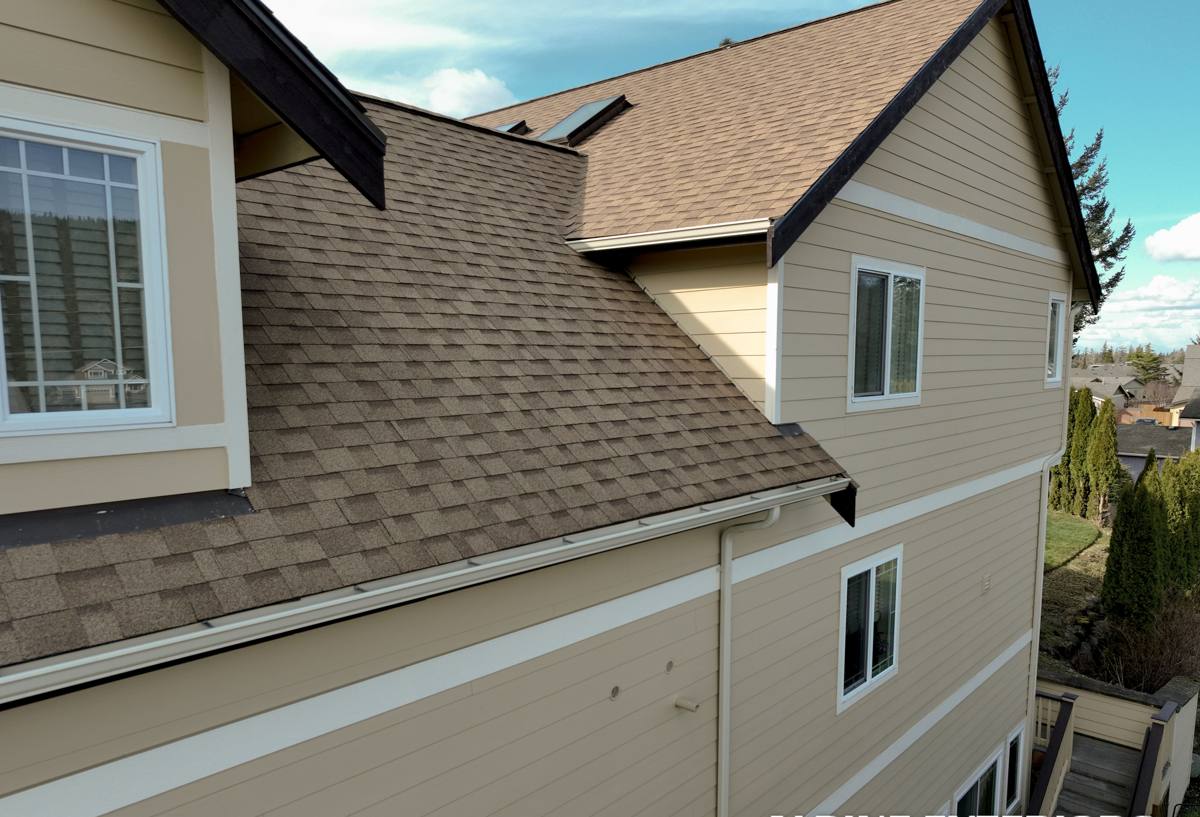
What "Correct" Siding Replacement Actually Involves
Siding replacement is often sold as a cosmetic upgrade — new material, new color, done. On a coastal Pinellas County home, that's an incomplete job. Everything behind the siding matters as much as the siding itself, especially in a location that takes wind-driven rain on a regular basis.
What Should Happen During Tear-Off
- Full removal of old siding and inspection of the sheathing underneath for rot, delamination, or prior water damage
- Repair or replacement of any compromised sheathing before new material goes up — covering damaged wood with new siding just hides the problem
- Installation of a proper weather-resistive barrier, lapped and taped correctly so water sheds outward instead of tracking behind seams
- Correct flashing at every window, door, and roofline intersection — this is where the majority of hidden leaks originate
- Fastening pattern and fastener type matched to the wind zone and to the specific siding product, not a generic nail schedule
Skip any of those steps and the new siding may look fine for a while, but the assembly behind it is set up to fail early — usually in ways that aren't visible until there's already interior damage.
Why We Only Install James Hardie Fiber Cement
We get asked why we don't offer vinyl, LP SmartSide, or other fiber cement brands as lower-cost alternatives. The honest answer is that we've made a standard for our own work, and on homes exposed to Gulf-front conditions, we don't think those alternatives hold up the way homeowners are told they will.
Vinyl siding softens, warps, and can pull away from fastening points in sustained high heat and direct sun — both a given in this part of Florida — and it has real limits in hurricane-force wind events. Engineered wood products like LP SmartSide perform well in many climates but depend heavily on flawless field sealing of cut edges and joints to resist moisture; in a humid, salt-air environment, any gap in that maintenance becomes an entry point for water. James Hardie fiber cement is non-combustible, dimensionally stable in heat and humidity, and manufactured specifically for climates like this one through its HZ5 product line, which is engineered for high-moisture, freeze-adjacent, and coastal-adjacent conditions. It also carries a ColorPlus factory finish, so the color coat is baked on and warrantied separately from the substrate — a meaningful difference from field-painted materials in a market where UV exposure is constant.
| Factor | What Matters in Madeira Beach | How Hardie Fiber Cement Handles It |
|---|---|---|
| Salt air exposure | Corrosion of fasteners and trim, chalking of painted surfaces | Fiber cement substrate doesn't corrode; ColorPlus finish resists fading and chalking |
| High UV load | Color fade, surface degradation on painted or laminate products | Factory-applied finish is formulated and warrantied for UV exposure |
| Wind-driven rain | Water intrusion at seams, joints, and cut edges | Dense, stable material holds paint and caulk lines rather than swelling at cuts |
| Hurricane-force wind | Panel flex, fastener pull-through, wind-borne debris impact | Rigid, heavier material with wind-rated fastening schedules for the zone |
| Humidity and moisture cycling | Swelling, warping, delamination over time | Fiber cement is dimensionally stable and doesn't absorb moisture the way wood-based products can |
Our Process for a Madeira Beach Siding Replacement
1. On-Site Evaluation
We look at more than the siding itself — soffit and fascia condition, existing flashing, any signs of past water intrusion around windows and doors, and how exposed the home is to prevailing wind and salt spray. That assessment shapes the scope, not a generic estimate.
2. Scope and Product Selection
We walk through the applicable James Hardie product line, profile, and finish options for the home, and explain the reasoning — not just the look, but how each choice performs given the home's specific exposure.
3. Tear-Off and Substrate Repair
Old material comes off, sheathing gets inspected, and anything compromised is repaired before we move forward. We don't install new siding over a damaged substrate.
4. Weather Barrier and Flashing
This is the step that determines whether the assembly actually keeps water out for the next few decades. It gets done to spec, not shortcut to save a day of labor.
5. Installation to Manufacturer and Wind-Zone Specification
Fastening patterns, clearances, and joint treatment follow James Hardie's installation requirements for this wind zone — which is also what keeps the manufacturer's warranty intact.
6. Final Walkthrough
We review the completed work with the homeowner, including care guidance specific to a coastal property.
Signs Your Siding Needs Replacement, Not Just Repair
Not every siding problem calls for a full replacement. But in a coastal environment, damage tends to be more advanced than it looks from the ground, because moisture is working from behind the material as often as from the front. Watch for:
- Soft or spongy spots when you press on the siding, especially near the bottom courses or around window trim
- Visible warping, buckling, or panels pulling away from the wall
- Persistent paint failure or bubbling in the same spots after repainting
- Rust streaking from fasteners or trim hardware
- Interior signs — stained drywall, musty smell, or soft spots near exterior walls — that suggest water is already getting past the siding
- Siding that's original to a home built or last re-sided more than 20-25 years ago, particularly if it's a non-fiber-cement product
If you're seeing more than one of these, it's usually a sign the water-resistive barrier behind the siding has already been compromised, not just the visible surface.
Cost Factors for a Madeira Beach Project
Every home is different, so we don't publish flat pricing, but the same factors drive cost on nearly every job in this area:
| Factor | Why It Affects Cost |
|---|---|
| Extent of substrate repair | Rotted or damaged sheathing found during tear-off has to be replaced before new siding goes on |
| Home size and wall complexity | More corners, dormers, and trim details mean more labor and material cuts |
| Siding profile and finish selection | Lap width, texture, and factory-finish color options are priced differently within the Hardie lineup |
| Accessibility | Multi-story sections, tight lot lines, or limited staging area affect labor time |
| Existing flashing and moisture barrier condition | Full replacement of these components adds labor but is not optional for a correct install |
Why Local Experience on This Stretch of Coast Matters
A crew that mostly works inland neighborhoods and occasionally takes a coastal job doesn't have the same working knowledge of what a barrier island community like Madeira Beach demands — from wind-zone fastening requirements to how aggressively salt air attacks unprotected hardware. We work Pinellas County's coastal communities regularly enough to know which details can't be shortcut here, and we pull permits and build to the wind and moisture standards this location actually requires, not a generic statewide minimum. That local pattern recognition is often the difference between a replacement that holds up through the next decade of Gulf weather and one that starts showing problems in year six.
What to Expect During the Project
Most single-family siding replacements take from several days to a couple of weeks depending on the size of the home, the amount of substrate repair needed, and weather. We keep the work area contained, protect landscaping and walkways, and clean up debris daily rather than leaving it to accumulate. Florida's afternoon storm patterns can affect scheduling, especially in summer months, and we build reasonable weather flexibility into the timeline rather than rushing a step to hit an arbitrary date.
If your Madeira Beach home's siding is showing its age or you're simply planning ahead of the next storm season, we're happy to take a look and give you a straight, no-pressure assessment. Use the form below to request a free estimate.