 Largo Siding
 Siding on a Barrier Island Is a Different Job
Madeira Beach sits out on the Gulf side of Pinellas County, and that location changes what siding has to survive. A home a few miles inland in Largo deals with heat, humidity, and the occasional tropical system. A home on or near the barrier island deals with all of that plus near-constant salt air, wind-driven rain coming straight off open water, and higher sustained wind loads during storm season. Siding that would hold up fine inland can fail years early out here if it wasn't chosen and installed with that exposure in mind.
This page is about one thing: installing siding correctly on Madeira Beach homes, and why the details that matter here are different from the details that matter on a standard Pinellas County installation.
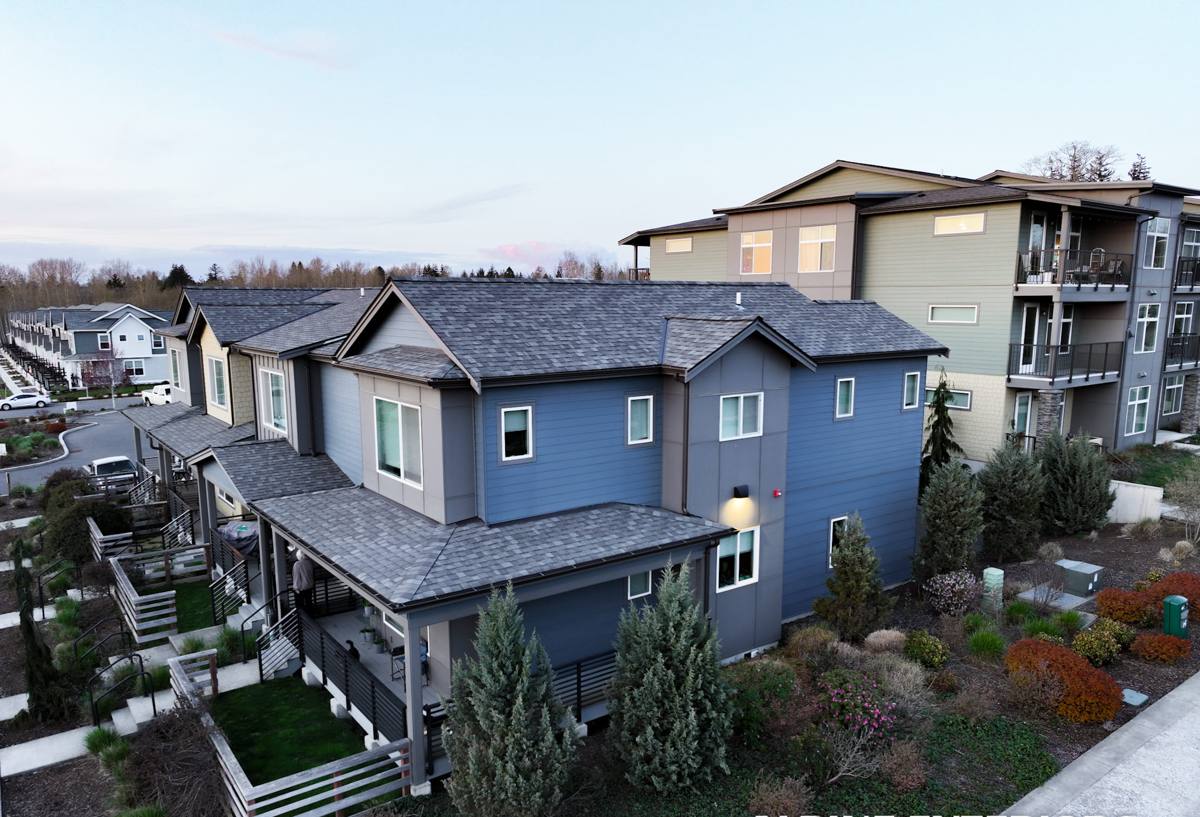
What Gulf-Front Exposure Actually Does to a Wall System
Salt air isn't just a coastal cliché — it's an ongoing corrosive load on every metal component of a siding system: fasteners, flashing, trim caps, and any exposed hardware. Combine that with sun exposure that's stronger and more direct near open water (less tree canopy, more reflected light off sand and Gulf water), and you get faster fading, faster caulk breakdown, and faster fastener corrosion than an identical product would see a few miles inland.
Wind-driven rain is the other half of the equation. Storms coming off the Gulf don't just drop rain — they push it sideways, under laps, around trim, and into any gap that wasn't properly flashed or caulked. On a barrier-island home, a siding installation with weak water-management details doesn't fail in a hurricane. It fails quietly, one ordinary storm at a time, as moisture works its way behind the cladding.
The three things that matter most out here
- Fastener quality and pattern — corrosion-resistant fasteners, driven correctly, not overdriven or underdriven
- Flashing and water-shedding details — around windows, doors, and every penetration, not just the field of the wall
- A product engineered for the climate — not just any siding, but a system built to handle humidity, salt, and UV without warping or breaking down
Why We Install James Hardie and Nothing Else
We're a James Hardie-only contractor, and on a Gulf-front job that's not a marketing line — it's the reason the siding lasts. Fiber cement doesn't absorb moisture the way wood-based products can, and it won't rot, delaminate, or become a target for the humidity and salt spray that barrier-island homes deal with year-round. It's also non-combustible, which matters on tightly spaced beach lots.
Hardie's ColorPlus factory finish is baked on rather than field-applied, which gives it real resistance to the UV intensity and salt exposure common on the Gulf side of the county — the same reason a field-painted finish tends to chalk and fade faster in this exact environment. We also use Hardie's climate-engineered HZ product line, which is formulated specifically for humid, moisture-heavy regions like coastal Florida rather than a one-size-fits-all national spec.
We don't install vinyl, LP SmartSide, Cemplank, Allura, or primed wood siding on any home, and we'd especially steer away from them here. Vinyl can warp and become brittle under sustained heat and UV, wood-based products carry moisture risk in a climate that offers zero relief from humidity, and the maintenance burden those products carry only gets worse the closer a home sits to open water. Fiber cement, installed correctly, is the product that holds up to that combination without asking the homeowner to fight it every year.
What a Correct Installation Involves Here
The product is only half the equation — installation quality is what determines whether that product performs for twenty-plus years or ten. On Madeira Beach and other Gulf-adjacent properties, we pay particular attention to a few things that get skipped on rushed jobs:
- Proper starter strip and clearance at the bottom of the wall, keeping siding off grade, decking, and roof lines so it can't wick moisture
- Correct fastener spacing and depth — not air-nailed blind, checked by hand where it matters
- Full flashing integration at windows, doors, and any wall penetration, tied into the water-resistive barrier rather than just caulked over
- Sealed and back-primed cut edges, since a factory-finished board that gets field-cut without treatment is the single most common point of early failure
- Corrosion-resistant fasteners and trim hardware suited to a high-salt environment
None of this is exotic. It's the difference between following the manufacturer's installation spec closely and treating it as a rough guideline — and on a home that takes this much weather, that difference shows up within a few years, not decades.
Our Process for a Madeira Beach Project
1. On-site assessment
We look at the home's exposure specifically — which walls face the Gulf or take the worst of prevailing wind and rain, current siding condition, sheathing and moisture-barrier condition underneath, and any problem areas around windows, trim, or penetrations.
2. Product and color selection
We walk through Hardie's plank profiles, panel options, and ColorPlus palette. Many beach-area properties fall under HOA or architectural review guidelines, so we factor that in early rather than after ordering material.
3. Tear-off and prep
Old siding comes off, sheathing gets inspected for hidden moisture damage (common on older Gulf-side homes), and any compromised wood is addressed before new material goes up — not covered over.
4. Installation to spec
Flashing, fastening, and clearances are handled per Hardie's installation requirements for this climate zone, not a generic national default.
5. Final inspection and cleanup
We walk the finished job with the homeowner, check every elevation, and clean the site fully before we consider it done.
Common Problem Areas We See on Beach-Adjacent Homes
A lot of the siding problems we get called out to inspect on Madeira Beach and nearby Gulf-front properties trace back to the same handful of causes:
| Problem | Typical Cause | Why It's Worse Here |
|---|---|---|
| Fastener rust bleeding through paint | Non-coastal-rated fasteners used originally | Salt air accelerates corrosion far faster than inland |
| Moisture damage around windows | Missing or poor flashing integration | Wind-driven rain finds gaps that would stay dry inland |
| Premature fading or chalking | Field-applied paint instead of factory finish | Direct sun and reflected light off water and sand intensify UV exposure |
| Soft or delaminating siding at the base | Wood-based product with no clearance from grade or decking | Constant humidity keeps moisture from ever fully drying out |
| Caulk failure at seams and trim | Low-grade sealant not rated for sustained UV and salt | Breaks down faster with year-round sun and salt exposure |
What Drives Cost on This Type of Job
Every home is priced individually after a walkthrough, but a few factors consistently move the number on Madeira Beach and similarly exposed properties:
| Factor | Why It Matters |
|---|---|
| Home elevation and access | Many beach-area homes are on stilts or elevated foundations, which affects scaffolding and staging |
| Existing siding removal | Full tear-off versus installing over an existing substrate changes labor significantly |
| Hidden moisture or sheathing damage | Common on older Gulf-side homes and not always visible until tear-off begins |
| Trim and architectural detail | Coastal cottage and beach-style homes often carry more corner boards, shutters, and trim work than a standard elevation |
| Wall exposure | Gulf-facing and prevailing-wind walls may warrant extra attention to flashing and fastening detail |
Why Hiring a Crew That Already Works This Area Matters
Siding contractors who mostly work inland don't always adjust their approach when they take on a Gulf-front job — same fasteners, same flashing habits, same product assumptions. On a barrier-island home, that gap shows up early: corroded hardware in a few years, moisture intrusion around windows, finish that fades faster than it should have.
Working regularly in this part of Pinellas County means we're used to building around wind-load and wind-borne-debris requirements that apply along the Gulf coast, we know what HOA and architectural review boards in beach communities tend to expect, and we plan installation timing around hurricane season rather than getting caught mid-project by it. That familiarity isn't a sales pitch — it's the difference between a crew guessing at what a coastal home needs and a crew that's already solved these problems on homes like it.
After Installation: What Homeowners Should Keep an Eye On
James Hardie siding installed correctly is low-maintenance, not zero-maintenance — especially this close to the Gulf. A simple annual check goes a long way:
- Rinse salt residue off the exterior periodically, especially Gulf-facing walls
- Inspect caulking at trim, windows, and seams once a year and re-caulk as needed
- Walk the base of exterior walls after major storms and check for standing water or debris buildup against the siding
- Watch for any rust staining at fastener points, which can signal it's time for a closer look
- Keep landscaping and irrigation from spraying directly onto siding, which adds unnecessary moisture exposure
If you're weighing a siding project for a home in Madeira Beach or anywhere else on the Gulf side of Largo, we're happy to walk the property, look at what your current siding is dealing with, and give you a straight answer on what it needs. There's no pressure and no obligation — just a free estimate from a crew that already works this stretch of coast.