 Largo Siding
 Madeira Beach Sits Right Where Florida's Climate Is Hardest on a House
Madeira Beach is a barrier island community, and homes there take a different kind of beating than homes a few miles inland in Largo. Being surrounded by the Gulf of Mexico means constant salt-laden air moving across every exterior surface, wind-driven rain that gets pushed sideways and upward during summer storms and hurricane season, and near-relentless UV exposure almost every day of the year. Individually, none of those factors is unusual for Florida. Together, on an island lot with little buffer from the water, they wear down the wrong siding materials faster than most homeowners expect — fading finishes, softening caulk lines, corroding fasteners, and moisture working its way behind panels that were never engineered for this exposure.
This page covers one job specifically: installing James Hardie fiber cement siding correctly on a Madeira Beach home. Not a general overview of siding — what this material needs to do here, what a correct installation actually involves, and why a crew that already works this stretch of Pinellas County coastline matters as much as the product itself.
What Salt Air, Wind, and UV Actually Do to a House's Exterior
It helps to understand the specific mechanisms at work, because they're what a correct installation is designed around.
- Salt air: airborne salt settles continuously on siding, trim, and fasteners. Over time it accelerates corrosion in lower-grade metal components and works into seams and joints, which is part of why fastener choice and joint detailing matter more here than on an inland job.
- Wind-driven rain: Gulf-front storms don't just drop rain straight down — they drive it sideways and up under laps and around penetrations. Siding with too little overlap, poorly sealed joints, or gaps at windows and doors lets that water find its way behind the surface.
- UV exposure: constant, intense sun breaks down pigments and dries out caulk and coatings faster than in most of the country. Field-applied paint in particular tends to chalk and fade well ahead of its expected repaint cycle in this kind of exposure.
- Hurricane-force wind loads: attachment is what's actually being tested in a storm — fastener type, spacing, and embedment, not just the panel material itself.
None of this means a house on Madeira Beach is doomed to constant repair. It means the material and the installation both have to be matched to the exposure, which is exactly where a lot of siding jobs — regardless of brand — fall short.
Why We Install Only James Hardie Fiber Cement
We install James Hardie fiber cement siding exclusively. We don't install vinyl, LP SmartSide, cedar, primed spruce, or other fiber cement brands like Cemplank or Allura. That's a deliberate professional standard, not a knock on every alternative — each of those products has legitimate strengths. Here's the honest reasoning behind why we don't put them on Madeira Beach homes:
Vinyl is affordable and low-maintenance in mild climates, but it softens and can warp in sustained heat, and its interlocking panel seams give wind-driven rain more opportunities to get behind the surface than a properly lapped and caulked fiber cement assembly. In a high-wind coastal zone, panel attachment and impact resistance also become bigger concerns.
Wood, cedar, and primed spruce are organic materials in a humid, salt-air environment — exactly the conditions that promote moisture absorption, rot, and pest activity over time. They also require a repainting and caulking maintenance cycle that's more frequent, and more important to stay on top of, in this climate than most homeowners want to manage.
LP SmartSide is an engineered wood product, which means it still relies on wood fiber at its core. It performs reasonably well when detailed correctly, but its seams and cut edges need careful, consistent sealing to keep moisture out, and its warranty structure and finish system are built around a different set of trade-offs than fiber cement.
Other fiber cement brands like Cemplank and Allura are chemically similar products and not the issue — the difference is in the specific product engineering, factory finish system, and installation track record we've standardized on with Hardie, covered below.
The HZ5 Difference: Product Engineered for This Climate
Climate-Specific Formulation
James Hardie doesn't make one universal siding formula — it engineers different product lines for different climate zones. HZ5 is the formulation for hot, humid, high-moisture climates like ours, as opposed to HZ10, which is built for freeze-thaw regions. That distinction matters because fiber cement's moisture management, and how it's meant to hold paint and sealant long-term, is tuned to the climate it's rated for. Fiber cement itself is also dimensionally stable — unlike wood, it doesn't expand and contract significantly with humidity swings, which reduces the stress on seams, caulk lines, and fasteners over years of Gulf Coast humidity.
Non-Combustible Material
Fiber cement is non-combustible, which is a meaningful difference from wood-based sidings — relevant for wildfire-adjacent exposure in some areas, and a factor some insurers weigh in coverage and premiums.
ColorPlus Factory Finish vs. Field Paint
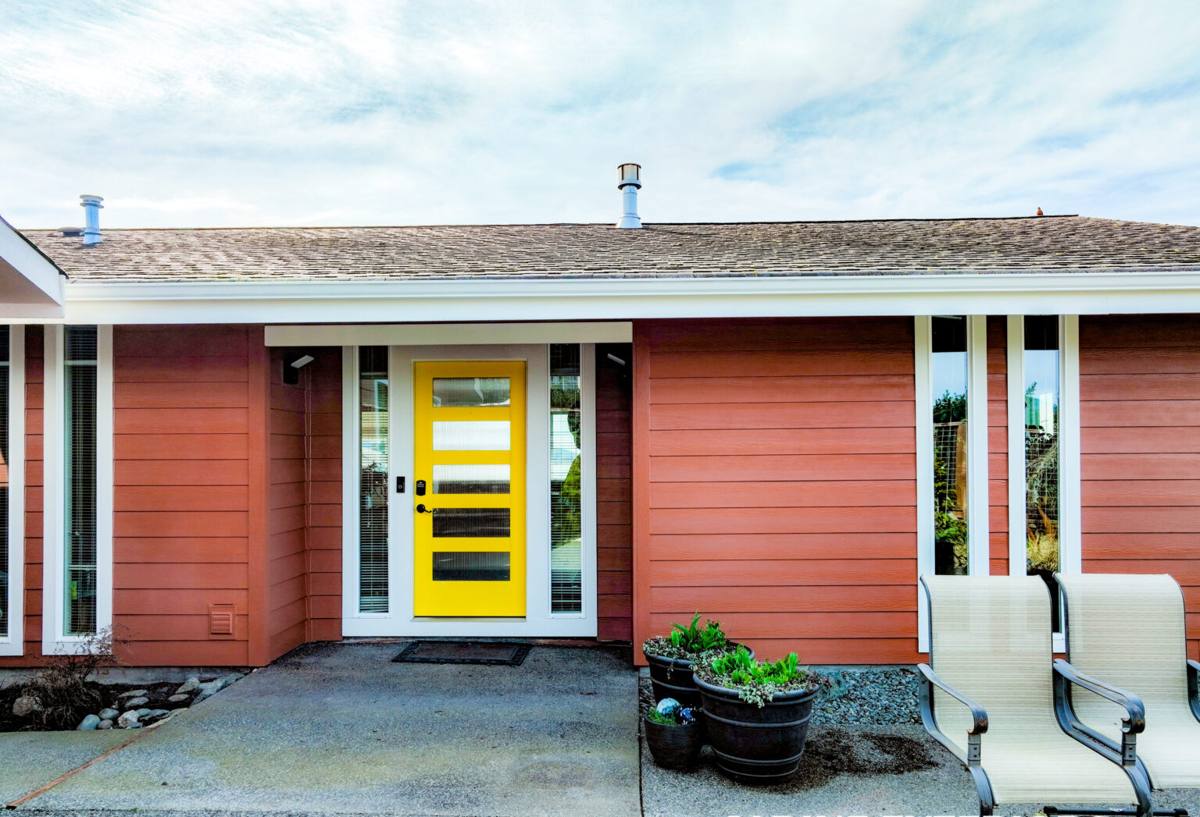
Most Hardie siding we install uses the ColorPlus finish — a coating baked onto the panel at the factory under controlled conditions, rather than brushed or sprayed on-site. It holds up to UV and color fade meaningfully better than field-applied paint, comes with its own finish warranty, and it means homeowners aren't stuck on the same repainting cycle that wood and site-painted materials require in this much sun.
What a Correct Fiber Cement Installation Actually Involves
The product only performs as designed if the installation follows Hardie's published specifications — this is where a lot of siding jobs, on any brand, go wrong. A correct job on a coastal home includes:
- A weather-resistive barrier installed behind the siding, with all seams and penetrations properly lapped and sealed before a single panel goes up
- Proper clearance between the bottom edge of the siding and grade, roof lines, decks, and patios, so water can't wick up into the panel edge
- Fastener type, spacing, and embedment that match Hardie's published schedule for the local wind zone — not a generic pattern
- Correct panel overlap at horizontal laps, sized for wind-driven rain exposure rather than the minimum
- Flashing installed at every window, door, and penetration — the single most common failure point on poorly installed siding jobs
- Caulking only at the joints Hardie specifies, with a quality sealant rated for exterior, coastal exposure — over-caulking every seam can trap moisture rather than shed it
- Field-cut edges properly sealed, since an unsealed cut edge is a weak point for moisture intrusion regardless of the factory finish
Comparing Siding Materials for a Coastal Pinellas County Home
| Material | Moisture/Rot Risk in Coastal Climate | Wind & Impact Durability | Maintenance | Finish Longevity |
|---|---|---|---|---|
| James Hardie Fiber Cement (HZ5) | Low — dimensionally stable, engineered for humid climates | High when installed to spec for the wind zone | Low — occasional rinse and caulk checks | Long — factory ColorPlus finish resists UV fade |
| Vinyl | Moderate — seams can admit wind-driven rain | Can warp or crack under heat and impact | Low, but limited repair options if damaged | Moderate — can fade and become brittle over time |
| Wood / Cedar / Primed Spruce | High — organic material, prone to rot and pest activity | Moderate — depends heavily on maintenance | High — regular repainting and caulking needed | Short to moderate — field paint breaks down faster in intense UV |
| LP SmartSide (engineered wood) | Moderate — wood-based core, seam-dependent | Moderate to high when detailed correctly | Moderate — seam and edge sealing upkeep | Moderate — depends on coating system used |
Our Process for Madeira Beach Projects
- On-site inspection and moisture check. We look at the existing wall assembly before quoting anything, since hidden moisture or rot changes the scope.
- Written scope and estimate referencing James Hardie's installation specifications, not a generic siding bid.
- Permitting. Coastal Pinellas County projects go through the applicable local building department, with wind-zone code compliance factored into the fastening and attachment plan from the start.
- Tear-off and substrate inspection. Once the old siding is off, we check the sheathing and framing underneath for hidden water damage before anything new gets installed over it.
- Weather-resistive barrier installation, properly lapped and sealed at every seam and penetration.
- Fiber cement installation to Hardie's published fastening schedule for the local wind zone, with correct clearances, overlaps, and flashing at every opening.
- Trim, joint treatment, and detailing at corners, windows, doors, and transitions.
- Final walkthrough and cleanup, confirming the finished work against the original scope before we call it done.
What to Expect and Ask When Hiring for This Kind of Job
- A written scope that references James Hardie's actual installation instructions, not a vague "siding replacement" line item
- Confirmation of the HZ5 product line for climate-appropriate performance
- A fastener schedule matched to the local wind zone, not a generic default
- Clarity on who pulls the permit and handles inspections
- Manufacturer product warranty terms and separate labor/workmanship warranty terms, explained plainly
- A substrate and moisture check before new siding goes over the old wall assembly
- Disposal and site cleanup included in the scope, not billed as a surprise add-on
Why Local, Island-Specific Experience Matters
Barrier island projects have logistics that don't come up on a typical inland Largo job — permitting through the applicable municipal authority, HOA or deed restrictions that are common in beach communities, narrow-lot material staging and equipment access, and building code considerations tied to the local wind and flood zone designations. A crew that already works Madeira Beach regularly has already worked through these details on other projects nearby, instead of learning them for the first time on your home. That local familiarity is part of why hiring a contractor who works this specific stretch of coastline matters as much as the siding brand on the wall.
Living With Fiber Cement Siding After Installation
Because the ColorPlus finish is factory-applied, ongoing maintenance is lighter than what wood or field-painted siding demands — but it isn't zero. A periodic rinse helps clear the salt film that builds up in this environment, and it's worth a quick visual check of caulking at trim and penetrations once a year, especially after hurricane season. Keep an eye out for any impact damage from storm debris, and if irrigation heads spray directly on the siding, redirecting them helps the finish last as long as it's built to.
If you're weighing siding options for a home in Madeira Beach or elsewhere in Largo, we're happy to take a look and talk through what your specific home needs — no pressure, no obligation. Reach out for a free estimate using the form below.