 Largo Siding
 Why Madeira Beach Homes Need a Different Siding Standard
Madeira Beach sits on a barrier island, which means every exterior material on a home there is doing a harder job than the same product would do a few miles inland. Salt-laden air moves through the neighborhood daily, UV exposure runs close to year-round, and when a tropical system tracks through the Gulf, this stretch of coastline takes the wind and the wind-driven rain first. Siding that would hold up fine in a shaded inland lot in Pinellas County can fail years early out here if it wasn't chosen and installed with that exposure in mind.
We install James Hardie fiber cement exclusively, and on barrier island homes like the ones in Madeira Beach, that decision matters more than almost anywhere else we work. This page walks through what the local climate actually does to siding, what a correct Hardie installation looks like for this environment, and why the installer matters as much as the material.
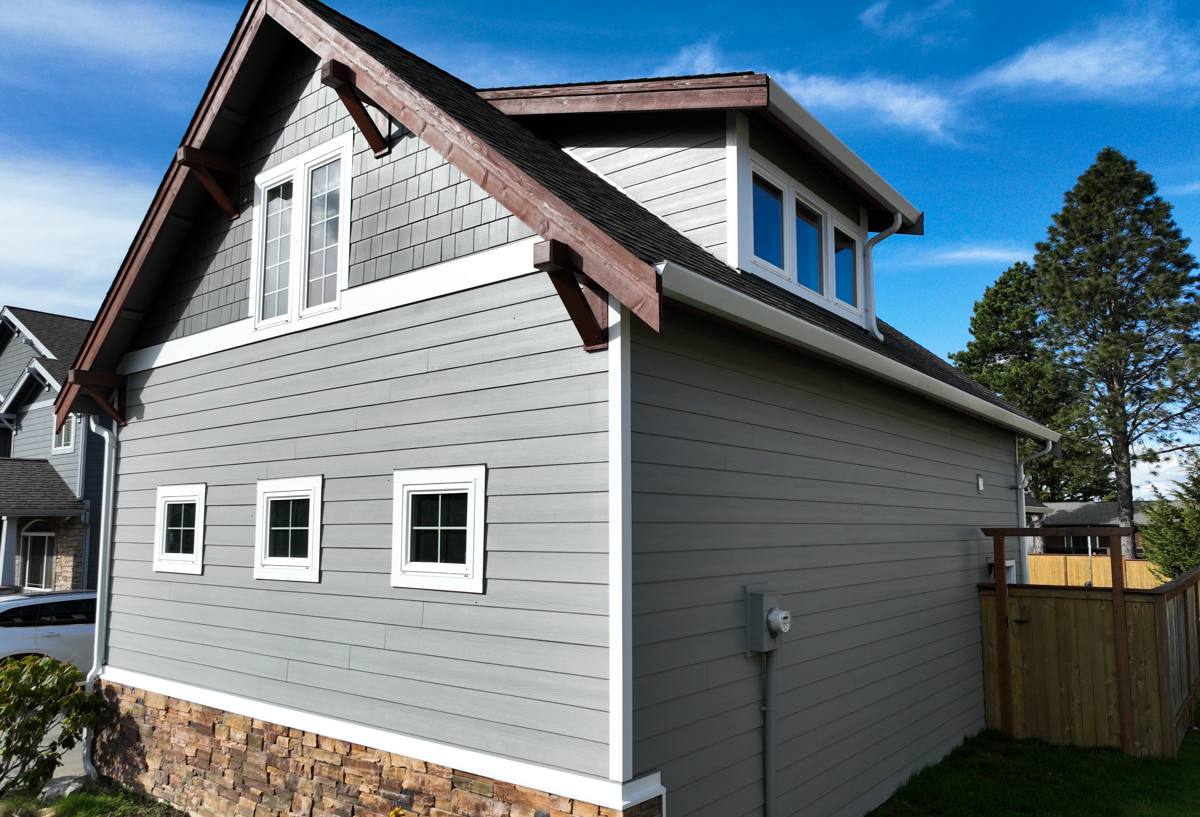
What Salt Air, UV, and Wind-Driven Rain Actually Do to Siding
It helps to be specific about the mechanisms, because "coastal wear" isn't one thing — it's several different stresses acting at once.
Salt Air and Moisture
Airborne salt is hygroscopic, meaning it pulls moisture out of the air and holds it against whatever surface it settles on. On siding, that means a thin film of salt-moisture sits against the material far more often than plain rainwater would. Materials that absorb or wick moisture — untreated wood, some composite panels, and siding with compromised caulking or flashing — stay damp longer near the coast, which is exactly the condition that leads to rot, mold, and coating failure.
UV Exposure
Pinellas County gets strong, direct sun most of the year, and reflected glare off open water on the barrier islands adds to it. UV breaks down pigments and resins in field-applied paint faster than most homeowners expect, which is why repainting cycles on painted siding tend to run shorter near the beach than they do a few miles east.
Wind-Driven Rain
During heavier weather, rain doesn't just fall on a house — it's driven sideways into seams, laps, and penetrations under wind pressure. Siding that isn't lapped, fastened, and flashed correctly for that condition will let water behind the panel long before the face material itself shows any damage. This is a wind and water problem, not just a material problem, and it's the single biggest reason installation quality matters as much as product choice.
Why James Hardie Fiber Cement Fits This Environment
James Hardie siding is fiber cement — a mix of cellulose fiber, sand, and Portland cement, engineered to be dimensionally stable and non-combustible. That composition is naturally resistant to the things that hurt siding near the Gulf: it doesn't rot, it isn't a food source for pests, and it holds its shape in heat and humidity swings instead of warping or cupping the way some wood-based and composite products can.
HZ5 Climate Engineering
James Hardie engineers its products by climate zone, and Florida's Gulf Coast falls into the HZ5 category — the line built specifically for high humidity, heavy rain, and coastal exposure. That's a meaningful distinction from siding sold as one generic product nationwide; the formulation and moisture management on HZ5 products are matched to exactly the conditions Madeira Beach homes face.
ColorPlus Factory Finish
Most James Hardie siding we install carries the ColorPlus finish — a coating baked on in a controlled factory environment rather than sprayed or brushed on site. Factory-applied finishes bond more evenly and resist UV fade better than field-applied paint, which directly addresses the shortened repaint cycles that intense coastal sun causes on other materials. It also comes backed by its own finish warranty, separate from the substrate warranty on the siding itself.
What a Correct Installation Involves Here
Good material poorly installed still fails. On a barrier island home, a handful of installation details separate siding that lasts decades from siding that lets water in within a few storm seasons.
Moisture Barrier and Drainage Plane
Before any siding goes up, the wall needs a continuous weather-resistive barrier with a drainage plane behind the cladding. This gives any incidental moisture that gets past the siding face a path to drain and dry out instead of sitting against the sheathing. This step is invisible once the job is finished, which is exactly why it's the step most likely to get shortcut by a crew that isn't used to coastal work.
Fastening for Wind Uplift
Fastener type, spacing, and placement all affect how siding performs under wind load. James Hardie publishes specific fastening schedules for high-wind zones, and Florida's building code has its own wind-speed requirements that vary by exposure category. Installing to the minimum generic instructions instead of the coastal-specific schedule is one of the most common ways siding underperforms in a storm.
Flashing, Gaps, and Sealant Joints
Every window, door, penetration, and trim transition needs flashing detailed to shed water outward, plus the correct gap and sealant joint where Hardie's installation instructions call for one. Caulking every seam solid instead of leaving engineered gaps traps moisture rather than releasing it — a mistake that shows up as staining or soft trim well before the siding itself is at fault.
Coastal Siding Options Compared
| Factor | James Hardie Fiber Cement (HZ5) | Vinyl | Wood / LP SmartSide |
|---|---|---|---|
| Moisture response | Does not rot; engineered drainage details | Doesn't absorb water, but can warp and gap in heat | Absorbs moisture; prone to rot without diligent maintenance |
| UV / fade resistance | Factory ColorPlus finish resists fading | Color molded in, but can chalk and fade over time | Field paint fades faster in intense, reflected coastal sun |
| Wind performance | Rated fastening schedules for high-wind zones | Can crack or blow off in high wind if under-fastened | Panel performance depends heavily on installation quality |
| Fire behavior | Non-combustible | Combustible | Combustible |
| Typical repaint / recoat cycle | Long — factory finish, not field paint | Rarely painted, but limited color changeability | Shorter, especially in direct coastal sun |
We don't install vinyl, LP SmartSide, or wood siding, so we're not the right call if that's what a homeowner has already decided on. But for anyone still weighing options for a Madeira Beach home, this is the honest trade-off picture behind why we standardized on Hardie.
How We Approach a Madeira Beach Project
Every barrier island home has its own quirks — orientation to the water, existing wall condition, roofline details — so the process starts with an on-site look, not a phone estimate.
- Walk the exterior and check the existing wall assembly, trim, and any signs of past moisture intrusion before pricing anything.
- Confirm the correct HZ5 product line, plank exposure, and ColorPlus color for the home, factoring in HOA or community aesthetic guidelines where they apply.
- Pull the required permits and install to Florida's wind-load requirements for the property's exposure category, not a generic national minimum.
- Install the weather-resistive barrier, flashing, and fastening schedule to spec before the first plank goes up — the parts that matter most and show the least.
- Final walk-through covering trim, caulking, and touch-up, plus a plain explanation of what maintenance the home will actually need going forward.
What to Expect From a Properly Done Job
Homeowners don't always know what "correct" looks like until it's pointed out. This is what we check for before calling a Hardie installation finished:
- Consistent, code-compliant fastener spacing — not just fasteners that are simply present
- Properly lapped and caulked joints only where Hardie's instructions call for sealant, not everywhere
- Flashing installed above windows, doors, and any wall penetration, directing water outward and down
- Clearance maintained between the siding's bottom edge and grade, decking, or roofing to avoid wicking moisture
- Factory-cut edges primed or field-sealed per manufacturer instructions wherever a plank was trimmed on site
- A continuous drainage plane behind the siding, confirmed before the cladding went up, not assumed
Maintenance for a Home This Close to the Gulf
James Hardie siding is low-maintenance compared to wood, but "low-maintenance" isn't "no-maintenance," especially with regular salt exposure. A simple rinse-down a few times a year removes salt residue and airborne grime before it has a chance to sit against the finish. It's worth walking the exterior after any significant storm to check caulking at trim and penetrations, since sealant is the one component that ages faster than the siding itself and is the cheapest thing to catch early. Beyond that, James Hardie's ColorPlus finish is built to go a long time without repainting, which is a real advantage on a home that takes this much sun and salt.
Why the Crew Matters as Much as the Product
Because so much of what makes siding perform in this environment happens behind the panel — the barrier, the flashing, the fastening schedule — the installer's familiarity with barrier island conditions is not a minor detail. A crew that mostly works inland jobs may install Hardie siding correctly by generic standards and still miss the details that matter specifically for wind-driven rain and constant salt exposure. Working across Pinellas County's coastal communities regularly, including Madeira Beach, means those details aren't an afterthought — they're the baseline for every job.
If you're weighing a siding replacement or new installation on a Madeira Beach home, we're happy to take a look and walk you through exactly what your home needs, with no pressure to sign anything on the spot. Use the form below to request a free estimate.