 Largo Siding
 Why Window Installation Works Differently on Indian Rocks Beach
Indian Rocks Beach sits directly on the Gulf, which means homes here take on a level of exposure that most of Largo and inland Pinellas County simply don't deal with. Salt-laden air, near-constant sun, wind-driven rain, and the real possibility of hurricane-force gusts all hit barrier island homes harder and more often. Windows are one of the largest openings in your building envelope, and when they're the wrong product or installed with shortcuts, they're usually the first thing to fail during a storm and the first thing to show wear during the rest of the year.
Window installation on Indian Rocks Beach isn't just a matter of picking a nice-looking window and setting it in the opening. It's a decision about wind pressure ratings, water management, frame material, and installation detail that has to hold up to conditions most manufacturers' standard warranties assume you don't have.
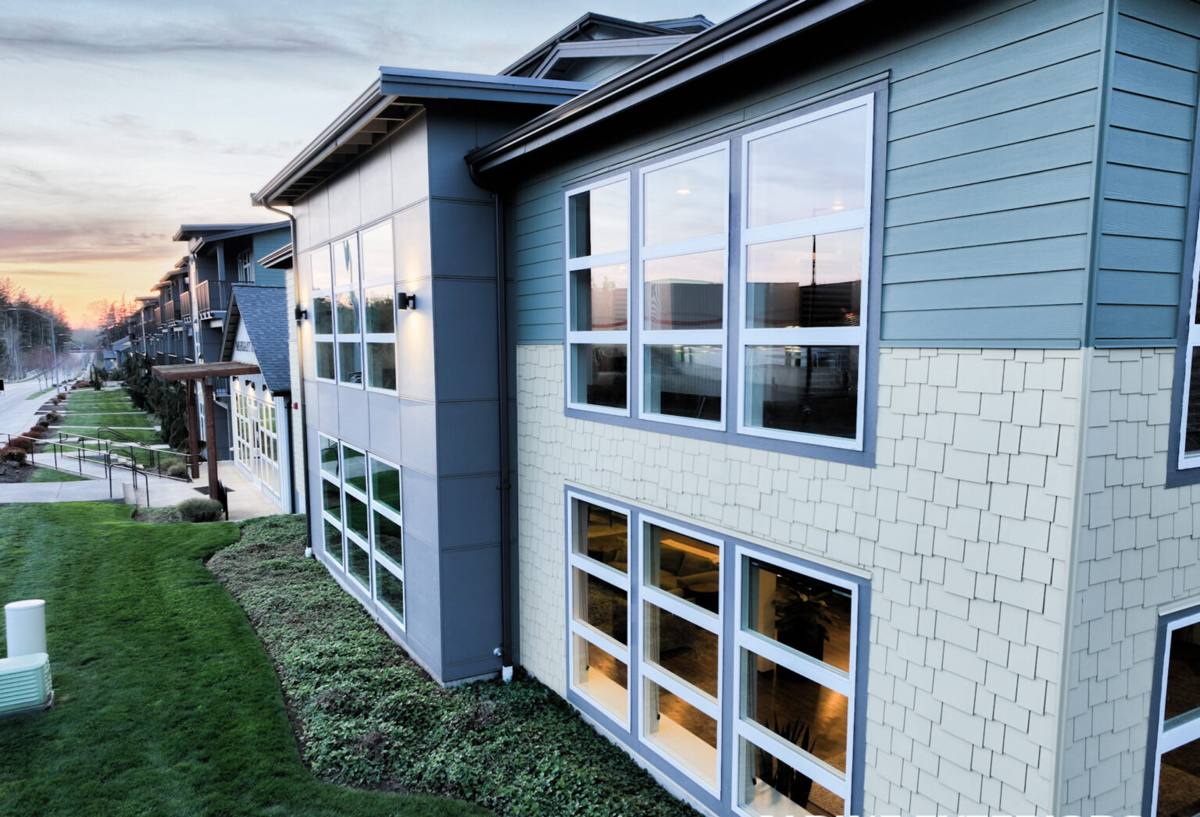
What Salt Air, Sun, and Storm Wind Do to Windows Over Time
Three things wear on coastal windows constantly, and they compound each other:
- Salt air corrosion — airborne salt settles on hardware, screws, hinges, and metal frame components. Left unchecked, it pits and weakens fasteners and locking mechanisms years before an inland window would show the same wear.
- UV exposure — Florida's sun is intense and nearly year-round. UV breaks down vinyl, dries out rubber gaskets and weatherstripping, and can discolor or warp lower-grade frame materials.
- Wind-driven rain — even outside of named storms, Gulf-front homes see rain pushed sideways into window openings on a regular basis. Any gap in flashing or sealant becomes a path for water intrusion, and that path only gets worse over time.
None of these are dramatic on their own in any given month. The problem is they never stop, and a window or installation that's "good enough" inland often isn't good enough a few blocks from the water.
Florida Building Code and Wind Pressure Requirements
Windows installed in coastal Pinellas County have to meet wind pressure and, in many cases, impact resistance standards set by the Florida Building Code. The exact requirement for a given home depends on its wind zone, distance from the coast, and the design pressure calculated for that structure — factors that can vary from house to house even within Indian Rocks Beach. Every window installed also needs a Florida Product Approval or Miami-Dade Notice of Acceptance (NOA) number showing it was tested for the wind loads it's rated for, and the installation itself typically requires a permit and inspection through the local building department.
This isn't paperwork for its own sake. A window rated for the wrong pressure zone, or installed without the fastening schedule the approval requires, can fail at the frame or anchor points during high wind even if the glass itself holds. Code compliance and correct installation go together — one without the other doesn't actually protect the home.
Choosing the Right Window for a Coastal Largo Home
Frame material matters as much as glass type when you're this close to the water. Here's how the common options generally compare for coastal use:
| Frame Material | Salt Air Resistance | Maintenance | Notes for Coastal Use |
|---|---|---|---|
| Vinyl | Good — won't corrode | Low | Quality varies widely; look for UV-stabilized formulations rated for high-heat, high-sun climates |
| Aluminum | Fair — can corrode without proper coating | Moderate | Strong and slim-profile, but needs marine-grade or coastal-rated finishes near the Gulf |
| Fiberglass/Composite | Very good | Low | Dimensionally stable in heat and humidity; often costs more upfront |
| Wood (uncladded) | Poor without cladding | High | We generally steer coastal clients toward clad or composite options given the maintenance burden this close to salt air |
Glass matters too. Laminated impact glass — two panes bonded around an interlayer — is the most common way to meet Florida's impact standards without separate storm shutters, and it also cuts down on UV transmission and outside noise. Whichever combination you land on, the frame and glass need to be tested and approved together as a system, not mixed and matched based on price.
Impact-Rated vs. Non-Impact Windows
Non-impact windows can still meet code in some cases if paired with approved shutters or panels that are actually deployed before a storm. Impact-rated windows stay protected all the time, without anyone needing to put up shutters, and they also add a layer of forced-entry resistance and sound dampening that carries a benefit well outside of hurricane season. For a full-time Indian Rocks Beach residence, most homeowners find the impact option worth the difference; for a rarely-used second home, it depends more on how reliably shutters would actually get deployed before a storm hits.
What a Correct Installation Actually Involves
Removal and Rough Opening Inspection
Before a new window goes in, the old one comes out and the rough opening gets inspected — not assumed to be fine. Wood framing around old windows in coastal homes can hide rot or moisture damage that isn't visible from outside. Setting a new, expensive window into a compromised opening just locks the problem behind new trim.
Flashing and Weatherproofing
Flashing is the layered system of water-resistant barriers that directs any water that gets past the window back out, rather than into the wall cavity. This is arguably the single most important — and most commonly rushed — part of a coastal window installation. Done correctly, it follows a shingled, overlapping order so water always sheds outward.
Anchoring for Wind Load
Every window's product approval specifies a fastening schedule: fastener type, spacing, and embedment depth into the substrate. This isn't a place to eyeball it or use "close enough" spacing — it's the difference between a window that stays anchored under hurricane pressure and one that doesn't.
Sealing and Finish Work
Exterior sealant, backer rod where needed, and interior air sealing all play a role in both water management and energy performance. Low-quality or improperly applied sealant is one of the fastest things to fail in salt air and constant UV, so material choice here matters as much as the labor.
Our Process From Estimate to Final Walkthrough
- On-site assessment — we look at your existing windows, openings, and any signs of water intrusion or frame damage, and talk through what your home's exposure actually calls for.
- Product and pricing walkthrough — we go over frame material, glass, and impact-rating options in plain terms, with honest trade-offs on cost, maintenance, and performance.
- Measurement and permitting — precise measurements are taken, and we handle the permit application and product approval documentation required for the work.
- Installation — removal, opening inspection, flashing, anchoring, and sealing, done in the sequence that keeps the home weathertight at every stage, not just at the end.
- Inspection — the completed work is signed off through the local building department's inspection process.
- Final walkthrough and cleanup — we walk the job with you, check operation on every window, and clear the site.
Signs It's Time to Replace Your Windows
Not every issue means a full replacement, but these are the signs worth having looked at:
- Fogging or condensation between panes (a sign the seal has failed)
- Windows that are difficult to open, close, or lock
- Visible corrosion on hardware, hinges, or frame fasteners
- Soft or discolored framing/trim around the window, inside or out
- Noticeable drafts or a whistling sound during windy conditions
- Water staining on the wall or sill after heavy rain
- Frames that are original to a home built before current wind and impact codes took effect
- Rising cooling bills with no other clear cause
What Affects the Cost of Window Installation
| Factor | Why It Matters |
|---|---|
| Frame material | Vinyl, aluminum, fiberglass, and clad-wood carry different material costs and long-term maintenance |
| Impact rating | Laminated impact glass costs more than standard glass but removes the need for shutters or panels |
| Window size and count | Larger openings and whole-house replacements involve more material and labor than a single-window swap |
| Structural condition | Rot or damage found in the rough opening during removal adds repair work before installation can proceed |
| Permitting requirements | Wind zone and product approval requirements vary by location and structure, affecting documentation needs |
| Access and existing construction | Elevated homes, tight coastal lots, or older non-standard openings can add time to the job |
We give straightforward, itemized pricing after seeing the actual openings and discussing what you want out of the project — not a ballpark figure pulled from a national average that has nothing to do with a Gulf-front home.
Why a Crew That Already Works Indian Rocks Beach Matters
Barrier island work has its own rhythm. Permitting requirements, wind zone specifics, and inspection expectations in this part of Pinellas County are things a crew learns by doing the work here repeatedly, not by reading a code book once. Many homes and condos on Indian Rocks Beach also have their own architectural or association guidelines around exterior changes, and knowing to check for those before ordering materials saves real time and rework.
There's also a practical trust factor: a contractor who's already doing window installations up and down this stretch of coast has a track record their neighbors can vouch for, and a reason to stand behind the work — they're not driving in from across the county for a one-off job and disappearing. For a home that depends on its windows to actually perform during the next storm, that local accountability is worth as much as the product itself.
If your windows on Indian Rocks Beach are showing their age, failing to seal properly, or simply aren't rated for what this coastline throws at them, we're happy to take a look and walk you through honest options. Fill out the form below for a free, no-pressure estimate.