 Largo Siding
 Siding Repair Built for Indian Rocks Beach Conditions
Indian Rocks Beach sits right on the Gulf, which means the siding on these homes takes a beating that houses a few miles inland simply don't experience. Salt-laden air corrodes fasteners and trim, wind-driven rain forces water into seams and joints that would stay dry elsewhere, and constant, intense Florida UV breaks down caulking, paint, and lesser siding materials year after year. Add in the very real chance of hurricane-force winds during storm season, and you have a barrier island environment that finds every weak point in a siding system.
That's the backdrop for every siding repair call we take in this area. A repair here isn't just about matching a color or covering a hole — it's about understanding why that section failed in the first place and fixing it so the same failure doesn't happen again in twelve months.
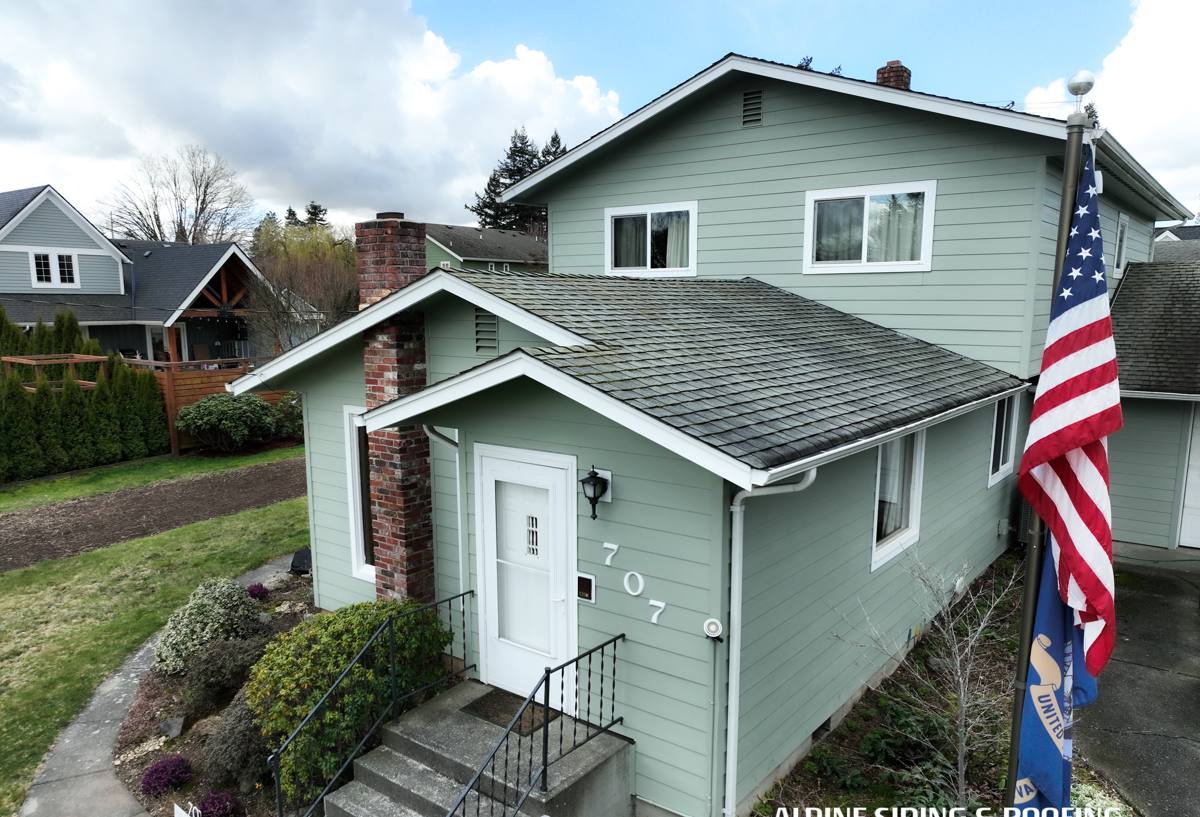
Signs Your Siding Needs Repair — Not Just a Patch
Homeowners near Indian Rocks Beach usually call us for one of a handful of recurring issues. Some are cosmetic, some point to moisture already working behind the surface. Knowing the difference matters, because covering up the wrong kind of damage just traps the problem.
- Cracked, split, or chipped panels from wind-blown debris or impact
- Soft, spongy, or crumbling spots — a strong sign of moisture and rot behind the material
- Gaps opening up at seams, corners, or butt joints
- Bubbling, peeling, or chalky paint and finish failure
- Nail pops or fasteners backing out, often from thermal movement or corrosion
- Warping, buckling, or panels pulling away from the wall
- Dark staining or streaking that keeps returning after cleaning
- A prior patch or caulk repair that's already failing again
Any one of these can be a simple fix if caught early. Left alone through another rainy season or storm, most of them turn into a bigger repair — or a full section replacement.
What a Correct Repair Actually Involves
There's a real difference between a quick patch and a repair that's actually built to hold up on a Gulf-facing home. A lot of "repairs" we get called to fix later were caulk-and-paint jobs that looked fine for a few months and then failed again, because nobody addressed what was happening behind the siding.
| Quick Patch Job | Correct Structural Repair |
|---|---|
| Caulk or filler applied over the damaged spot | Damaged material removed to expose the substrate and framing |
| No inspection of the water-resistive barrier underneath | House wrap and flashing checked and repaired if compromised |
| Paint touch-up over the repair area | Matched material and finish installed to the manufacturer's fastening spec |
| Assumes the cause of damage won't recur | Identifies why the failure happened and corrects it |
| Often needs redoing within a year near the coast | Built to hold up through normal wind, rain, and UV exposure |
Every repair we perform starts with pulling back far enough to see what's actually going on — not just covering the visible damage.
Checking for Hidden Moisture
Wind-driven rain near Indian Rocks Beach doesn't fall straight down — it gets pushed sideways into seams, around windows, and up under lapped panels. That means visible damage on the surface is often smaller than what's happened behind it. A proper repair includes checking moisture content in the surrounding material and the sheathing behind it, not just the section that looks obviously bad.
Matching Fastening and Flashing
Siding fails at seams and penetrations more than anywhere else. A repair that doesn't restore proper flashing and fastener spacing at those points is just delaying the next failure, regardless of how good the patch looks from the street.
Why We Repair With James Hardie Fiber Cement — And Only James Hardie
We install and repair exclusively with James Hardie fiber cement siding. We don't work with vinyl, LP SmartSide, Cemplank, Allura, or primed wood, and that standard shapes how we approach repair work too.
If your home already has James Hardie siding, repairs are straightforward: Hardie's ColorPlus factory-finish system means we can match damaged boards closely without a full repaint, and fiber cement itself doesn't rot, warp, or attract termites the way wood-based products can, so a properly repaired section should perform like the rest of the wall for years.
If your home has a different siding material — vinyl, wood, or an older fiber cement product — we'll still assess it honestly. Some damage is a simple fix regardless of material. But when we find chronic issues that come from the material itself, like wood rot at butt joints, vinyl that's cracked from UV brittleness, or moisture trapped behind a system that wasn't detailed for this climate, we'll tell you that plainly. In those cases, patching the same material often means patching the same problem again in a year or two. Our recommendation, and the reason we standardized on Hardie for our own installs, is that fiber cement holds up to salt air, humidity, and UV exposure better over the long run — non-combustible, dimensionally stable, and backed by a strong transferable warranty when installed to spec.
Our Repair Process
- On-site assessment. We inspect the damaged area and the surrounding siding, checking for moisture, fastening issues, and flashing condition — not just the visible spot.
- Honest scope. We tell you whether it's a contained repair, a larger section replacement, or something the material itself can't reliably support long-term.
- Material matching. For Hardie siding, we match plank profile and ColorPlus finish as closely as possible so the repair blends in.
- Proper reassembly. Water-resistive barrier and flashing are restored before new material goes on — never skipped to save a step.
- Finish and cleanup. Fasteners, caulking, and paint lines are finished to match the surrounding wall, and the site is left clean.
Repair or Replacement? How We Help You Decide
Not every damaged wall needs a full re-side, and we're not going to tell you it does. But there's a point where repeated repairs cost more over time than addressing the wall properly once. These are the factors we walk through with homeowners.
| Factor | Leans Toward Repair | Leans Toward Replacement |
|---|---|---|
| Extent of damage | Isolated to one or two panels | Spread across multiple walls or elevations |
| Age of existing siding | Relatively new, otherwise sound | Original siding nearing or past its expected service life |
| Moisture findings | Surface-level, no hidden intrusion | Moisture found behind panels or in sheathing |
| Repair history | First repair needed in this area | Same spot has already failed and been patched before |
| Material type | Existing Hardie fiber cement | Material with chronic rot, cracking, or moisture issues |
We'll always give you the repair option when it's the honest answer — our goal is a wall that performs, not the biggest possible job.
Why a Local Largo Crew Matters for This Kind of Work
Siding repair on a barrier island community like Indian Rocks Beach isn't quite the same job as siding repair a few miles inland in Pinellas County. Crews who work this coastline regularly already know what wind-driven rain does to unprotected seams, how fast UV breaks down a bad caulk job here, and where salt air tends to attack fasteners and trim first. That familiarity shows up in the difference between a repair that looks fine at handoff and one that's actually built to last through the next storm season.
Being based in Largo also means we're not driving in from across the county for a callback if something needs a second look. For repair work especially — where the real test is how the fix holds up after the next round of Gulf weather — that local presence matters.
Keeping Your Repaired Siding Protected
Once a repair is done right, a little upkeep goes a long way in this climate:
- Rinse salt residue off siding periodically, especially after storms — a garden hose is usually enough
- Keep an eye on caulking at trim, windows, and seams; UV breaks it down faster here than inland
- Trim back vegetation touching the siding to reduce trapped moisture and pest access
- Walk the exterior after any major storm to catch new impact damage early
- Address small issues — a hairline crack, a loose piece of trim — before the next rainy stretch, not after
Fiber cement needs far less of this than wood or vinyl, but no siding is entirely maintenance-free this close to the Gulf.
Get an Honest Look at Your Siding
If you're seeing damage, staining, or a repair that didn't hold up the first time, it's worth getting a straight answer on what's actually needed. We offer free, no-pressure estimates for homes in and around Indian Rocks Beach — use the form below to get one scheduled.