 Largo Siding
 Building Decks for Indian Rocks Beach's Coastal Conditions
A deck in Indian Rocks Beach lives a harder life than a deck almost anywhere inland. This stretch of Pinellas County sits right up against the Gulf, which means the structure you build here is going to take a steady beating from salt-laden air, intense year-round sun, wind-driven rain, and — during hurricane season — sustained high winds and gusts that can exceed what most residential structures are ever asked to handle. A deck built with inland assumptions, using inland materials and inland fastening practices, tends to show its age fast out here: fasteners bleed rust, boards cup and gray unevenly, and railings loosen years before they should. Building correctly for this specific environment isn't an upsell — it's what keeps a deck safe and good-looking for the long haul instead of turning into a five-year replacement project.
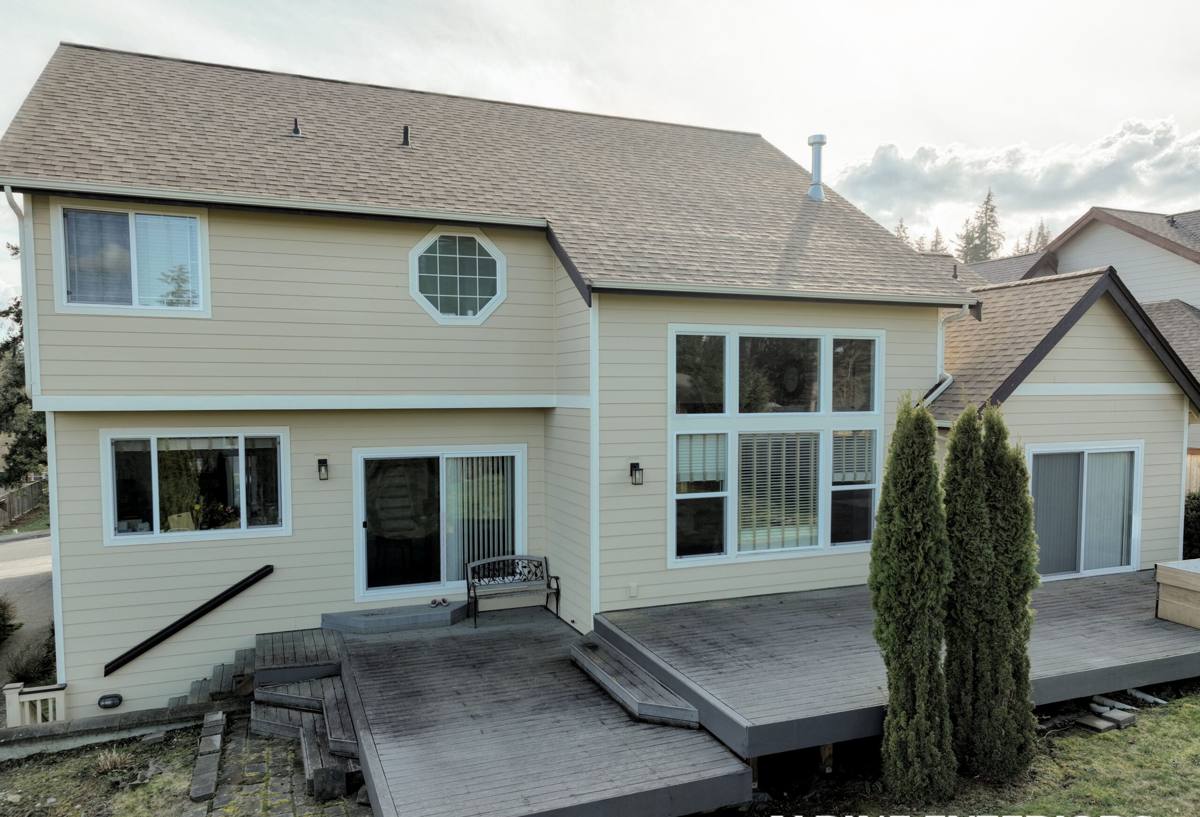
What Coastal Exposure Actually Does to a Deck
Salt Air and Corrosion
Airborne salt doesn't just settle on surfaces near the water — it travels on the wind and lands on everything, including decks set back from the beach. Salt accelerates corrosion in any exposed metal: screws, bolts, joist hangers, and railing brackets. Standard carbon-steel or lightly coated hardware can start rusting within a couple of seasons in this environment, and once a fastener weakens, the connection it's holding — a joist to a beam, a post to a footing — weakens with it.
UV Exposure
Florida sun is intense and near-constant. UV breaks down the surface fibers of wood decking, causing graying and splintering, and it degrades the pigments and resins in some composite products over time, leading to fading or chalking on the surface. Materials and finishes that aren't formulated for heavy UV exposure age visibly faster here than they would in a northern climate.
Wind-Driven Rain and Moisture Cycling
Afternoon storms in this part of Florida don't just rain straight down — wind pushes moisture sideways, into railing joints, under board edges, and into any gap in flashing or ledger connections. Combined with high humidity, this creates a repeated wet-dry cycle that's harder on wood fibers and fasteners than steady moisture would be. Trapped water in the wrong spot is one of the most common reasons a deck starts to fail from the inside out, long before the surface looks bad.
Hurricane-Force Wind Loads
Decks aren't just surfaces to walk on — they're structures that have to resist uplift and lateral load. In a hurricane-exposed area like Indian Rocks Beach, the ledger attachment, post-to-footing connections, and railing anchoring all need to be built to handle wind forces well beyond a light breeze, because that's genuinely what this coastline sees most years.
Choosing Decking Material for a Salt-Air Environment
There's no single "best" decking material for every homeowner — it depends on budget, maintenance tolerance, and how close to the water the home sits. Here's how the common options actually perform in this climate:
| Material | Coastal Durability | Maintenance | Trade-Offs |
|---|---|---|---|
| Pressure-treated wood | Good if properly sealed and re-sealed on schedule | Annual cleaning and re-sealing needed to resist UV and moisture | Lowest upfront cost, but ongoing upkeep is real and easy to fall behind on |
| Cedar / tropical hardwoods | Naturally decay-resistant, but still needs UV protection | Periodic oiling to prevent graying and checking | Better look and feel than treated pine, higher material cost |
| Capped composite | Strong resistance to salt, moisture, and fading | Low — occasional washing, no sealing or staining | Higher upfront cost, but far less labor over the life of the deck |
| PVC decking | Fully synthetic; unaffected by moisture or insects | Lowest maintenance of the group | Can run hotter underfoot in direct sun; highest material cost |
Our standard on any coastal build is stainless steel or coated fasteners rated for exterior/coastal use, regardless of which decking material a homeowner picks. Saving money on hardware is the wrong place to cut corners — hardware failure is what actually causes structural problems, not a slightly faded board.
Structural Framing and Fasteners That Actually Last
The part of a deck nobody sees is the part that matters most. Framing lumber should be rated for ground contact or exterior exposure as appropriate, joist hangers and structural connectors should be coastal-rated (not just galvanized), and every ledger board attachment to the house needs proper flashing to keep wind-driven rain from working its way behind the siding. Post bases should be set to keep wood off standing water and away from direct soil contact where possible. None of this is visible once the deck is finished, which is exactly why it's the area most likely to get shortcut by a crew trying to hit a low bid.
Permits, Wind Load, and Local Code Considerations
Deck construction in Largo and throughout Pinellas County is governed by the Florida Building Code, and coastal wind-load requirements apply to structural elements like railings, guard posts, and connections to the home. Permitting requirements can vary depending on deck height, size, and whether it's attached to the structure, so we handle the permit application and inspection scheduling as part of the build rather than leaving a homeowner to sort that out. Skipping permits on a deck project might save a little time upfront, but it creates real problems later — unpermitted structural work can complicate a home sale, insurance claim, or future renovation.
Our Deck Building Process
Every deck we build in Indian Rocks Beach follows the same disciplined process, whether it's a small platform off a back door or a larger multi-level deck:
- On-site consultation — we walk the property, discuss how the space will actually be used, and take note of sun exposure, drainage, and wind exposure specific to that lot.
- Design and material selection — we go through decking, railing, and hardware options honestly, including cost and maintenance trade-offs, so the choice fits the budget and the homeowner's tolerance for upkeep.
- Permitting — we prepare and submit the permit package and schedule the required inspections.
- Framing and structural work — footings, framing, ledger attachment, and hardware installation, built to coastal wind-load standards, not just minimum code.
- Decking, railing, and finish work — surface installation, railing, stairs, and any trim or fascia detailing.
- Final walkthrough — we go over the finished deck together and cover basic care so it holds up the way it's supposed to.
Cost Factors for an Indian Rocks Beach Deck
Every project is different, but the same handful of factors drive most of the cost variation we see on coastal deck builds:
| Factor | Why It Matters Here |
|---|---|
| Decking material | Wood costs less upfront but needs ongoing maintenance; composite and PVC cost more initially but reduce long-term labor |
| Deck size and height | Elevated decks require more substantial footings, framing, and stair/railing structure |
| Hardware and fastener grade | Coastal-rated stainless or specially coated hardware costs more than standard fasteners but is not optional here |
| Railing style | Cable, glass, and custom railing systems cost more than standard baluster railing and have different wind-load engineering needs |
| Site access and existing structure | Tear-out of an old deck, tight lot access, or tie-in to existing structure can add labor time |
We provide a written estimate that breaks these factors down so a homeowner can see exactly where the cost is going, rather than a single lump number.
Maintaining Your Deck in Pinellas County's Climate
Whatever material a deck is built from, a little regular attention goes a long way in this climate. A simple seasonal routine keeps small issues from becoming structural ones:
- Rinse salt residue and debris off the deck surface and railings periodically, especially after storms
- Check fastener heads and railing connections once or twice a year for early rust or looseness
- Re-seal or re-stain wood decking on the schedule the product calls for — don't wait until it looks obviously worn
- Keep gutters and downspouts near the deck clear so water isn't dumping directly onto framing or footings
- Inspect ledger board flashing and the house connection point for any signs of trapped moisture
- Trim back vegetation that's holding moisture against the deck structure
Why Local Experience in Indian Rocks Beach Matters
A crew that regularly works Indian Rocks Beach and the surrounding Pinellas County coastline already knows what this exposure does to a structure over time, because they've seen it — the fastener that failed early, the railing post that loosened, the decking that faded unevenly on the sun-facing side. That experience shapes which materials and hardware we default to and which shortcuts we won't take, even when they'd lower the bid. It also means a smoother permitting process, since we're familiar with local code expectations and inspection procedures rather than learning them project by project.
If you're planning a new deck or replacing an aging one in Indian Rocks Beach, we're happy to walk the property, talk through honest material options for your budget, and put together a free, no-pressure estimate using the form below.