 Largo Siding
 New Roof Installation in Dunedin: Built for What This Coast Actually Does to a Roof
Dunedin sits close enough to the water that its homes take a different kind of beating than a roof fifty miles inland ever will. Between St. Joseph Sound and the open Gulf, roofs here deal with salt-laden air that accelerates corrosion on fasteners and flashing, sustained UV exposure that ages asphalt and breaks down sealants faster than manufacturer charts often assume, and the wind-driven rain that comes with almost every Pinellas County storm season. A roof that's correctly installed for this environment isn't dramatically different in appearance from one installed anywhere else in Florida — but underneath the shingles or panels, the fastening pattern, flashing details, and underlayment choices matter a lot more here than they do in a low-wind, low-humidity climate.
When we install a new roof for a Dunedin homeowner, we're not just covering the house. We're building an assembly that has to survive hurricane-force gusts, shrug off UV degradation for the life of the material, and keep moving air through the attic so trapped humidity doesn't rot decking from the inside out. That's the standard we hold every install to, and it's worth understanding what goes into it before you sign off on any roofing project.
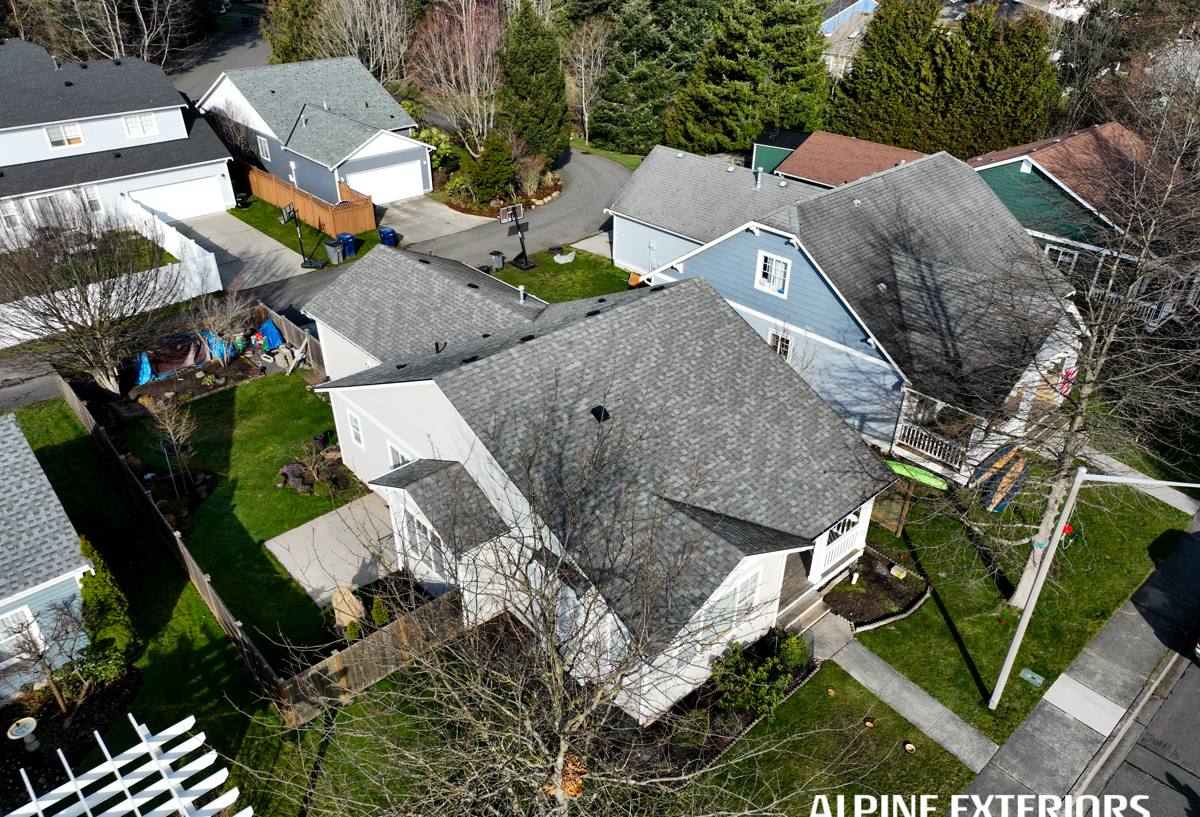
Signs a Dunedin Home Actually Needs a New Roof
Not every roofing problem calls for a full tear-off and replacement. Isolated shingle damage, a single failed flashing point, or a small leak around a vent boot is usually a repair, not a new roof. But there are signs that tell us — and should tell you — that repair is just delaying the inevitable and spending money that won't be reflected in the roof's remaining life:
- Shingles that are cupping, curling, or losing granules across large sections of the roof, not just one spot
- Multiple soft or spongy areas underfoot, which usually means decking has already taken on water damage
- A roof approaching or past its material's expected service life, especially if it's never been re-nailed to current wind code
- Daylight visible through the attic decking, or consistent staining on interior ceilings after rain
- Granule buildup in gutters that's accelerating year over year rather than leveling off
- A roof that's already been patched multiple times in different areas, indicating widespread rather than localized wear
If you're seeing two or more of these, it's worth having someone look at the whole roof rather than chasing individual leaks. We'll tell you honestly if a repair will hold for a few more years — we don't push a full replacement on a roof that doesn't need one.
What a Correct Roof Installation Actually Involves
It starts with the deck, not the shingles
A new roof is only as good as what's underneath the visible layer. Once the old roofing is stripped, we inspect every section of decking for soft spots, delamination, or water damage and replace what's compromised before anything new goes down. Skipping this step to save time is one of the most common shortcuts in the trade, and it's the reason some "new" roofs develop soft spots within a couple of years.
Underlayment matters more here than in most of the country
In a coastal, high-UV, storm-prone market like Dunedin, we use synthetic or self-adhering underlayment rated for high wind and moisture exposure rather than the cheapest felt option. This layer is what protects the deck if wind ever lifts or damages the outer roofing material during a storm — it's the backup system, and it's not a place to cut corners.
Flashing is where most leaks actually start
Roofs rarely leak through the field of the shingles or panels. They leak at transitions — chimneys, skylights, sidewalls, valleys, and vent penetrations. Correct flashing detail at every one of these points, tied properly into the underlayment and counter-flashed where it meets walls or vertical surfaces, is what actually keeps a Dunedin home dry through wind-driven rain, which tends to hit these transition points at angles a straight-down rain never would.
Fastening to current wind code, not the old pattern
Pinellas County enforces Florida Building Code wind requirements, and a new roof installation is fastened to current code, not whatever pattern the old roof happened to use. That means the correct nail count and placement per shingle, or the correct fastening schedule for metal or tile systems, sized for our wind exposure category.
Roofing Materials for Dunedin Homes
There isn't one "best" material for every home — it depends on your budget, your roof's pitch and shape, your HOA (if applicable), and how long you plan to stay in the home. Here's how the common options compare for a coastal Pinellas County property:
| Material | Typical Lifespan | Wind Performance | Maintenance | Relative Cost |
|---|---|---|---|---|
| Architectural asphalt shingle | 20-30 years | Good, when installed to current wind code | Low; periodic inspection | $ - lowest upfront |
| Standing seam metal | 40-50+ years | Excellent; performs well in high wind | Very low | $$$ - highest upfront |
| Concrete or clay tile | 40-50+ years | Good, but individual tiles can dislodge in extreme wind | Moderate; occasional tile replacement | $$$ - high upfront |
| Synthetic/composite shingle | 30-40 years | Good; engineered for wind and impact resistance | Low | $$ - mid-range |
Asphalt shingle remains the most common choice for Dunedin homes because it balances cost, appearance, and performance well when installed correctly. Metal has grown more popular for homeowners planning to stay long-term, since the lifespan and wind performance offset the higher upfront cost over time. We'll walk through the honest trade-offs for your specific roof rather than steering you toward whatever's easiest to install.
Our Installation Process
Every new roof we install follows the same sequence, regardless of material:
- On-site inspection and estimate — we assess the existing roof, deck condition (as best as visible), pitch, and any complicating factors like multiple layers or unusual roof lines
- Material selection — we walk through the options that fit your budget and goals, including color and style considerations for HOA or neighborhood aesthetics
- Permitting — we pull the required permit through the appropriate local building department before work begins
- Tear-off and deck inspection — full removal of the old roofing, with every section of decking checked and any damaged sections replaced
- Underlayment and flashing installation — the moisture and wind protection layer goes down first, with flashing detailed at every penetration and transition
- New roofing installation — installed to current Florida Building Code wind requirements for our exposure category
- Ventilation check — intake and exhaust ventilation confirmed or corrected as part of the install, not treated as an afterthought
- Final inspection and cleanup — magnetic sweep for debris, full site cleanup, and a final walkthrough with you before we consider the job done
Permits, Wind Mitigation, and Insurance in Pinellas County
A new roof in Dunedin requires a permit, and the completed work has to pass inspection against Florida Building Code wind provisions for our region. We handle the permitting process as part of every installation — it's not an optional add-on, and skipping it is a red flag for any contractor who suggests it.
There's also a practical upside to doing this correctly: a new roof installed and documented to current code is often eligible for wind mitigation credits on your homeowner's insurance. After completion, a licensed inspector can complete a wind mitigation inspection form documenting the roof-to-wall connections, deck attachment, and roof covering, which your insurer uses to calculate premium discounts. We can point you toward that process, though the inspection itself is typically done by a separate licensed inspector, not the roofing contractor.
Ventilation and Moisture Control
Florida attics get hot, and a poorly ventilated one traps heat and moisture against the underside of your new deck year-round. Over time, that shortens the life of the roofing material from below, even if the surface looks fine. Correct ventilation balances intake (usually at the soffit) with exhaust (ridge vents or other exhaust vents), so air actually moves through the attic space rather than sitting stagnant. We evaluate your home's existing ventilation as part of every new roof installation and correct it where it's inadequate — a beautiful new roof over an unventilated attic is still a roof that's aging faster than it should.
Why a Crew That Already Works in Dunedin Makes a Difference
Roofing code, permitting requirements, and inspection processes vary by jurisdiction, and Pinellas County has its own specific requirements within Florida's statewide building code. A crew that regularly works in and around Dunedin already knows the local permitting office's expectations, has relationships with material suppliers who stock what actually performs well in this climate, and has seen firsthand which installation shortcuts fail first in coastal wind and salt exposure. That's different from a crew that installs roofs across a wide, climate-varied territory and treats every job the same regardless of location.
We're a Largo-based siding and exterior contractor, and Dunedin is part of our regular service area — not a one-off trip. That matters when you need warranty support, a follow-up question answered, or a crew that shows up already familiar with the wind and moisture demands of homes this close to the coast.
Protecting Your Investment After Installation
A correctly installed roof still benefits from basic upkeep. A few habits go a long way toward getting the full expected lifespan out of the investment:
- Have gutters cleaned regularly so water isn't backing up under the roof edge
- Trim back overhanging tree limbs that drop debris or create abrasion points in wind
- Schedule a visual inspection after any major storm, even if you don't see obvious damage
- Watch for granule accumulation in gutters or downspouts as an early wear indicator
- Keep attic ventilation clear of insulation blocking soffit intake vents
- Address small flashing or sealant issues promptly rather than waiting for a leak
None of this requires a maintenance contract or frequent professional visits — it's mostly about not ignoring small warning signs.
Get a Straightforward Estimate
If your Dunedin home's roof is showing its age, or you just want an honest read on how much life it has left, we're happy to take a look. There's no pressure and no obligation — just a straight answer about what your roof needs and what it would cost to do it right. Fill out the form below to schedule your free estimate.