 Largo Siding
 Building Decks for Dunedin's Coastal Conditions
A deck in Dunedin does a different job than a deck almost anywhere inland. It sits within a few miles of open water, takes salt-laden air off the Gulf and Intracoastal, gets baked by strong UV nearly every day of the year, and has to shrug off wind-driven rain and the occasional hurricane-force gust without loosening a single ledger bolt. We build and repair decks for homeowners across the Largo area, and Dunedin jobs come with a specific set of requirements we plan for before the first post hole is dug.
This page covers what actually matters for a deck built to hold up in this climate: material choices, structural details, our process from estimate to final walkthrough, and what separates a deck that lasts fifteen-plus years from one that starts showing problems in three.
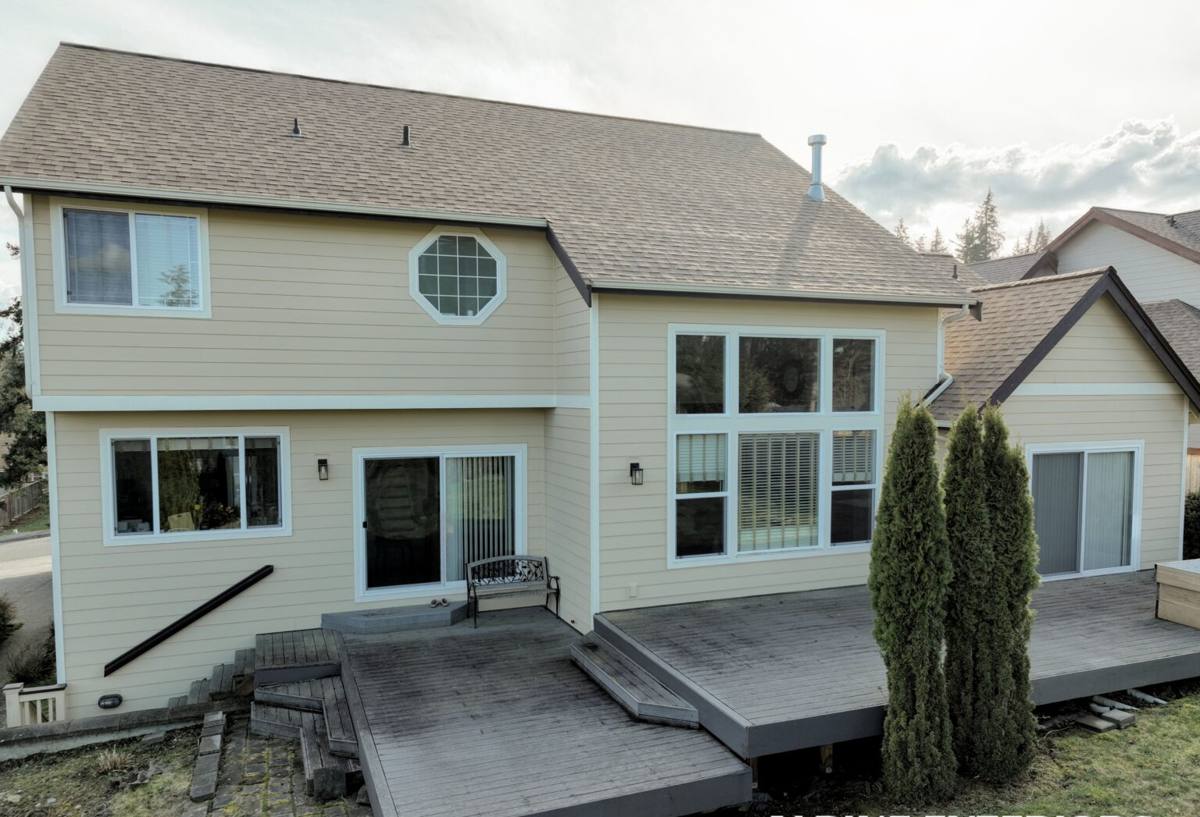
What Dunedin's Climate Does to a Deck
Pinellas County weather is hard on any exterior structure, and decks take the abuse in a few specific ways:
- Salt air corrosion: Fasteners, brackets, and hardware that aren't rated for coastal exposure corrode faster near the water, which weakens connections long before the wood itself fails.
- UV exposure: Florida sun breaks down wood fibers and fades or chalks composite surfaces faster than manufacturers' "average climate" ratings assume.
- Wind-driven rain: Rain that comes in sideways during storms gets up under railings, into end-grain cuts, and around post bases if those areas weren't properly sealed or flashed.
- Hurricane-force wind loads: Ledger attachment, post-to-beam connections, and railing anchoring all need to meet wind-load requirements, not just look sturdy.
- Humidity and moisture cycling: Wood that stays damp longer between rains is more prone to rot at joints and fastener penetrations if it isn't properly treated or protected.
None of this means a deck can't hold up here for decades. It means the framing, fasteners, and finish decisions have to account for these conditions from the start, not get patched in later.
Decking Material Options for This Climate
Pressure-Treated Wood
Still the most common and most affordable decking material, pressure-treated southern yellow pine holds up well when it's properly fastened, sealed on cut ends, and re-stained or sealed on a regular schedule. It's a reasonable choice for homeowners who don't mind maintaining it and want the lowest upfront cost.
Composite Decking
Composite boards resist rot and don't need staining, which appeals to a lot of Dunedin homeowners who want to spend weekends on the water instead of on deck maintenance. Our professional standard is to install composite with proper ventilation underneath and manufacturer-spec fasteners and clips — composite that's installed without adequate airflow or with the wrong hardware can trap moisture and show problems at the board ends over time. That's an installation issue, not a reason to avoid the material; it's why we follow manufacturer specs closely rather than treating composite like standard lumber.
Tropical Hardwoods
Woods like ipe are extremely dense and naturally rot-resistant, with a premium look and cost to match. They're a strong option for owners who want a hardwood deck and are prepared for the higher material cost and the need for specialty fasteners.
Aluminum Decking
Less common but worth mentioning for waterfront or high-exposure sites — aluminum won't rot, warp, or feed termites, and it holds up to salt air better than most wood species. Cost and a more limited style range are the trade-offs.
| Material | Upfront Cost | Maintenance | Best For |
|---|---|---|---|
| Pressure-treated wood | Lowest | Annual sealing/staining | Budget-conscious owners, willing to maintain |
| Composite | Mid to high | Occasional washing | Owners who want low upkeep |
| Tropical hardwood | High | Periodic oiling | Premium look, long lifespan |
| Aluminum | Highest | Minimal | Waterfront, high-salt-exposure sites |
Structural Details That Actually Matter
Ledger Attachment
Where the deck ties into the house is the single most safety-critical connection on the structure. It needs proper flashing to keep water from getting behind the siding or into the rim joist, and lag bolts or through-bolts sized and spaced to meet the load requirements for the deck's dimensions — not just toe-nailed or lightly lagged in.
Footings and Post Bases
Footings need to be sized and set to local frost-free and load-bearing standards, and post bases should hold the post up off the concrete so it isn't sitting in standing water after every rain. This one detail prevents a huge share of the base rot we see on older decks.
Fasteners and Hardware
In a coastal environment, we use stainless steel or coated fasteners rated for exterior and coastal exposure throughout — not just at the visible surface. Standard interior-grade hardware corrodes faster here and is one of the most common points of failure on decks that weren't built with this climate in mind.
Railings and Guard Systems
Railing posts need solid blocking and through-bolt connections, not just screws into rim joists. This matters for both code compliance and simple safety, especially on elevated decks.
Wind Bracing
For decks of any real height or size, diagonal bracing or engineered connectors help the structure resist racking and lateral movement during high winds — a real consideration anywhere in Pinellas County during storm season.
Permits and Local Code
Deck construction in Dunedin and throughout Pinellas County falls under Florida Building Code requirements, and most decks above a certain height or attached to the house require a permit and inspection. We handle the permitting process as part of the job — pulling the permit, scheduling inspections, and building to the load and attachment specs that will actually pass. Skipping this step might save a little time upfront, but it creates real problems at resale and, more importantly, means the deck wasn't verified to hold up under load.
Our Process
- On-site assessment: We look at the existing structure (for replacements), the ledger/house connection point, drainage, sun exposure, and how the space will actually be used.
- Design and material selection: We walk through material options with honest cost and maintenance trade-offs based on your budget and how much upkeep you want to do.
- Permitting: We prepare and submit the permit package and schedule required inspections before work begins.
- Demolition (if replacing): Old decking, framing, and hardware are removed and the substructure is inspected for hidden rot or damage before we build on top of it.
- Framing: Ledger, footings, posts, beams, and joists go in first, built to the load and fastening specs the design calls for.
- Decking and railing installation: Boards and railing systems are installed per manufacturer spec, with attention to spacing for drainage and expansion.
- Final inspection and walkthrough: We confirm the permit inspection passes, then walk the finished deck with you.
Maintenance Expectations by Material
Every deck material needs some level of upkeep in this climate — the differences are in how much and how often:
- Wood decks: annual inspection for loose fasteners, plus sealing or staining every one to two years depending on sun exposure.
- Composite decks: periodic washing to prevent surface buildup, and a yearly check of fasteners and structural connections.
- Hardwood decks: occasional oiling to maintain color, though the wood will hold up structurally with little else needed.
- All decks: check railing connections and post bases after major storms, since wind-driven rain and high winds are the conditions most likely to expose a weak connection.
Signs an Existing Deck Needs Attention
- Soft or spongy spots in decking boards, especially near the house or at board ends
- Rust staining around fasteners or visibly corroded hardware
- Any movement or give when you push against a railing post
- Gaps or separation where the deck meets the house
- Standing water that doesn't drain off the surface after rain
- Wood that's gone gray and rough, or composite that's visibly faded and chalky
Any of these are worth having looked at before they turn into a bigger structural repair or a safety issue.
Why a Crew That Already Works Dunedin Makes a Difference
Building a deck that holds up here isn't about following a generic national spec sheet — it's about understanding how salt air, sun, and storm exposure actually play out on homes in this part of Pinellas County. A crew that regularly works in Dunedin and the surrounding Largo area already knows which hardware holds up, which details get missed on decks that weren't built for this climate, and what the local permitting process actually requires. That local familiarity shows up in fewer surprises during the build and a deck that's still solid well past the point where a poorly-specified one would be showing problems.
If you're planning a new deck or need an existing one assessed, we'd be glad to take a look and put together a straightforward, no-pressure estimate using the form below.