 Largo Siding
 Dunedin's Coastal Exposure Puts Real Demands on Windows
Dunedin sits close enough to the Gulf that its houses take a different kind of beating than homes further inland. Salt-laden air corrodes hardware and pits aluminum. Year-round UV breaks down seals, vinyl, and glazing compounds faster than in most parts of the country. Wind-driven rain during summer storms finds every weak seam around a window frame, and hurricane season adds the possibility of sustained high winds and flying debris. None of this is unique to one street or subdivision — it's the baseline condition for anything built in this part of Pinellas County, including Largo and the surrounding coastal communities.
Windows are one of the largest openings in a home's exterior envelope, so they're also one of the biggest points of failure when any of those conditions win out. A window that was installed correctly, with the right materials for this climate, does its job quietly for decades. One that wasn't shows it early — through fogged glass, corroded frames, drafts, or water intrusion after the first hard blow.
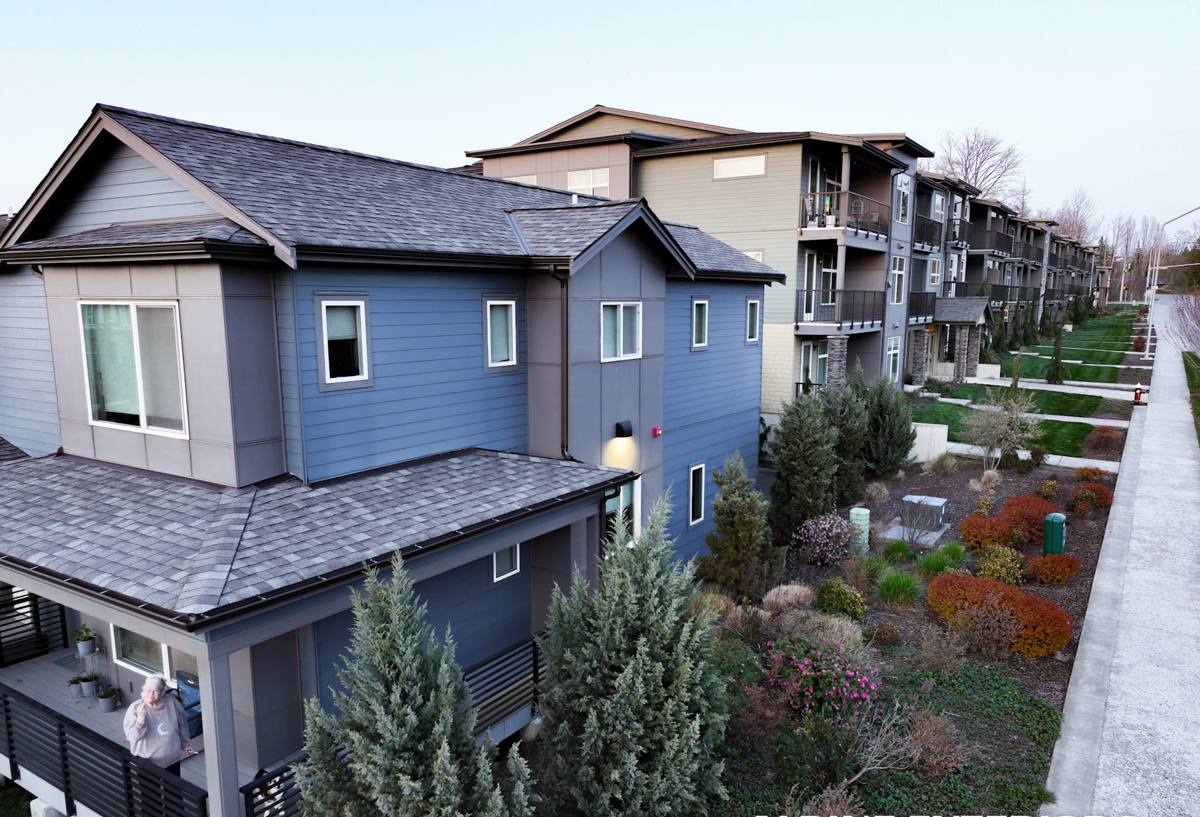
What "Custom" Actually Means for an Older Florida Neighborhood
A lot of the housing stock in and around Dunedin was built well before current wind and impact codes existed, and decades of Florida heat and humidity have a way of shifting a house slightly out of true. Openings settle. Stucco and wood-frame construction move differently over time. That means the rough opening for a window in one of these homes is rarely a perfect, symmetrical rectangle — even if it looks like one from across the room.
"Custom" windows means the unit is built to match the actual opening as it exists today, not a catalog size that gets forced or shimmed into place. That distinction matters more here than in newer, more uniform construction, because a poor fit creates gaps that no amount of caulk fully solves. Those gaps are exactly where wind-driven rain gets in and where a storm can turn a small weakness into a bigger problem.
Why Stock Sizing Falls Short Here
When a window is sized even slightly wrong for the opening, installers are forced to either trim the opening (weakening the structural frame around it) or pack the gap with extra shim and sealant (creating a long-term failure point). Either approach can look fine on install day and cause problems two or three years later, usually showing up as a soft spot, a stain, or a draft that wasn't there before.
Impact-Rated vs. Non-Impact: What the Code Actually Requires
Pinellas County follows Florida's high-velocity hurricane zone-adjacent wind provisions, which means window replacements are permitted work, not a weekend project, and the products used have to meet specific wind-load and impact standards for this wind zone. Homeowners generally have two compliant paths: impact-rated glass built into the window itself, or non-impact glass paired with approved hurricane shutters or panels that get installed before a storm.
| Factor | Impact-Rated Windows | Non-Impact + Shutters |
|---|---|---|
| Storm prep effort | None — always protected | Requires installing panels/shutters before each storm |
| Upfront cost | Higher per window | Lower window cost, added shutter cost |
| Daily comfort (UV, noise, drafts) | Better — laminated glass blocks more UV and sound | No improvement outside of storm events |
| Insurance considerations | Often qualifies for wind mitigation credits | Credits depend on shutter type and rating |
| Maintenance | Frame and seals only | Shutters/panels need storage, hardware upkeep |
Neither option is wrong, and we'll walk through both honestly rather than push whichever carries a bigger markup. What matters is that whatever gets installed actually meets the current code for your property, and that it's permitted and inspected — not just installed and left undocumented.
Frame and Glass Choices That Actually Hold Up Near the Water
Frame material has a bigger effect on long-term performance in this climate than most homeowners expect, mostly because of how each material handles salt air and constant UV exposure.
| Frame Material | Salt-Air / Corrosion Resistance | Maintenance | Typical Cost |
|---|---|---|---|
| Vinyl | Very good — won't corrode or pit | Low — occasional cleaning | Lower to mid |
| Aluminum | Fair — prone to pitting/oxidation over time near the coast | Moderate — needs periodic attention to hardware and finish | Mid |
| Fiberglass/Composite | Excellent — very stable in heat and salt exposure | Low | Higher |
We tend to steer coastal homeowners away from bare aluminum frames for anything facing open exposure, not because aluminum is a bad product broadly, but because untreated or lower-grade aluminum finishes are one of the first things to show wear in salt air — pitting, chalking, and stiff hardware are common complaints within a handful of years. That's a maintenance-burden and appearance issue worth planning around up front, not a defect we're implying about any particular manufacturer.
Glass Packages Worth Understanding
Low-E coatings cut down on UV-driven fading of floors and furniture and help with cooling costs, which matters given how much direct sun this area gets year-round. Laminated glass — the kind used in impact-rated units — adds a interlayer that holds the glass together on impact and also does a solid job cutting down outside noise and additional UV transmission, even beyond what the coating alone provides.
Signs Your Current Windows Are Already Losing the Fight
Most homeowners don't think about window condition until something forces the issue — a stuck sash during a storm warning, or a stain that shows up on the wall below a frame. Worth checking for these before that happens:
- Fogging or moisture trapped between panes of double-pane glass
- Chalky white residue or visible pitting on aluminum frames
- Windows that are hard to open, close, or lock smoothly
- Noticeable drafts or a whistling sound during windy conditions
- Visible daylight or gaps around the frame from outside
- Rattling sashes in moderate wind
- Water staining on interior walls or sills after rain
- Frames that feel soft, warped, or discolored to the touch
Any one of these on its own might be minor. Several at once, especially on a home with original or much-older windows, usually means it's worth a professional look before storm season rather than after a problem.
How We Approach a Custom Window Job
The process is straightforward, but each step exists for a reason we've learned the hard way over years of coastal installs:
- On-site assessment and measurement. Every opening gets measured individually — we don't assume uniformity even across windows on the same wall.
- Code and permit review. We confirm what Pinellas County requires for your specific property and pull the necessary permit before work starts.
- Product selection. We walk through frame material, glass package, and impact vs. shutter options based on your home's exposure and budget — not a one-size push toward the priciest option.
- Removal and prep. Old units come out carefully so we can inspect the framing underneath for hidden rot, moisture damage, or prior improper installs before anything new goes in.
- Installation with proper flashing and sealant. This is the step most likely to get rushed elsewhere. Correct flashing sequencing and sealant placement are what actually keep wind-driven rain out — not just a bead of caulk around the trim.
- Final check and inspection. We confirm operation, seal integrity, and code compliance, and coordinate the required inspection so there's a documented record of the work.
Mistakes We Regularly Correct From Prior Installations
When we're called out to fix or replace windows that were installed by someone else, the issues tend to repeat: flashing that was skipped or installed backward, gaps filled with caulk alone instead of proper sealant and backer rod, fastening schedules that don't match the product's wind rating, and stucco-to-frame transitions that were never sealed correctly. These aren't dramatic failures on day one — they're the kind of shortcuts that surface as a leak or a soft spot years later, usually after the original installer is long gone. We treat this as our own standard to hold ourselves to, not a knock on any particular brand or crew — but it's exactly why the installation quality matters as much as the product itself.
Why Local, On-the-Ground Experience Matters
A crew that regularly works in Dunedin and greater Largo already understands the county's permitting expectations, the general character of the area's housing stock, and what coastal exposure actually does to windows over time — because we've seen it firsthand, not read about it. That translates into fewer surprises during the permit process, product recommendations that match how your specific home is exposed to wind and salt air, and a install that's built for the conditions this part of Pinellas County actually sees, not a generic national spec sheet.
If you're weighing whether to repair, replace, or upgrade the windows on a Dunedin-area home, we're glad to take a look and give you a straightforward, no-pressure assessment of what your home actually needs. Use the form below to request a free estimate.