 Largo Siding
 Board & Batten Siding, Built for Dunedin's Coastline
Board and batten is one of the most requested siding styles in Dunedin right now, and it's easy to see why. The vertical lines read as clean and a little coastal-modern, it dresses up both older bungalows and newer builds without looking out of place next to either, and it gives a home real dimension instead of a flat wall of lap boards. But board and batten is also one of the least forgiving styles to get wrong. The wide flat panels and narrow battens create more seams, more fastener points, and more places for water to find a way in than standard horizontal lap siding. In a coastal Pinellas County city like Dunedin, where wind, sun, and salt are part of daily life, that difference in installation difficulty is exactly where a siding job succeeds or fails long-term.
This page is about that one style, in that one place: what Dunedin's climate actually does to board and batten siding over time, what a correct installation involves, and why we install it only in James Hardie fiber cement rather than vinyl, engineered wood, or other fiber cement brands.
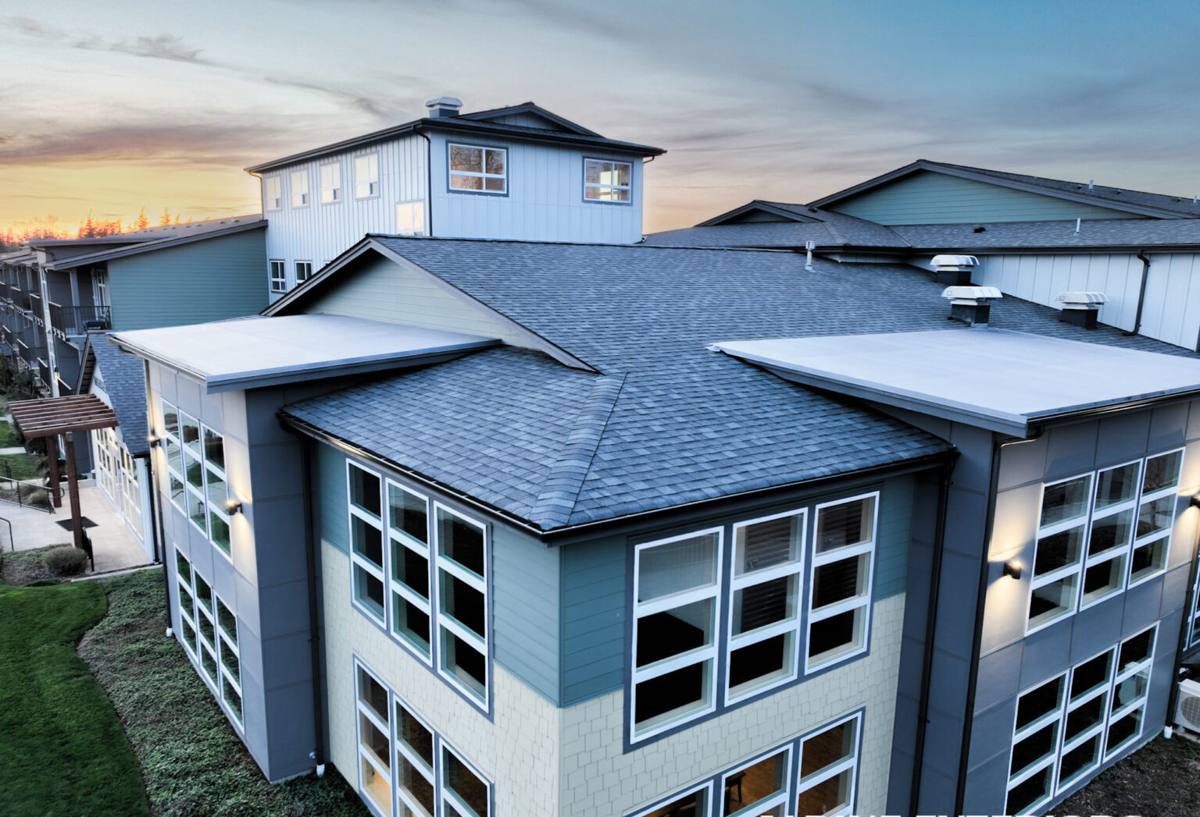
What Dunedin's Climate Does to Board and Batten Siding
Dunedin sits on the Gulf side of Pinellas County, and that location shapes what siding has to survive here. Hurricane-force wind events aren't hypothetical — they're a planning requirement, not just a possibility. Add in wind-driven rain that gets pushed sideways into vertical seams, salt air that travels inland off the water and settles on every exterior surface, and close to year-round UV exposure, and you have a climate that stress-tests siding in ways a lot of the country never has to deal with.
- Wind: Vertical board and batten panels catch more wind load per fastener than short lap boards, so nailing pattern and fastener spacing matter more here than in milder climates.
- Wind-driven rain: Rain doesn't just fall in Dunedin, it gets driven horizontally into every seam and batten joint during storms. Flashing and water-resistive barrier details either handle that or they don't.
- UV exposure: Nearly year-round sun bleaches and breaks down poor-quality paint finishes, especially on vertical surfaces that face the sun for more hours of the day.
- Salt air: Airborne salt accelerates corrosion on fasteners and trim hardware, and it degrades cheaper coatings faster than inland climates ever would.
None of this means board and batten is a bad choice for Dunedin. It means the product and the installation both have to be matched to the environment, not just picked because they look good in a photo.
What a Correct Board & Batten Installation Involves
Substrate and Fastening
Board and batten can be installed direct-to-stud or over furring strips, and the choice affects drainage, ventilation, and how the wall handles moisture over time. Fastener type, length, and spacing all need to account for local wind loads — this isn't an area where a standard nailing schedule from a manufacturer's general install guide is automatically enough. It needs to match the wind zone the home is actually in.
Water Management Behind the Siding
Every vertical seam and every batten joint is a potential water path. Correct installation depends on a properly lapped water-resistive barrier, correct flashing at windows, doors, and any horizontal transitions, and a drainage plane that lets any moisture that does get behind the siding find its way back out instead of sitting against the sheathing. This is invisible work — nobody sees it once the siding is up — but it's the difference between siding that lasts decades and siding that hides rot behind a good-looking face.
Joints, Caulking, and Finish
Board and batten depends on consistent reveal spacing and properly sealed joints where panels meet trim, corners, and openings. Factory-finished panels reduce how much of that sealing burden falls on field-applied caulk, which matters in a climate where UV and salt air break down lesser sealants faster than they would somewhere drier and cooler.
Why We Install James Hardie, Not Vinyl or Engineered Wood, for This Style
Board and batten is available in vinyl, engineered wood, and fiber cement, and each one behaves differently once it's actually on a Dunedin wall facing real weather.
Vinyl board and batten is lightweight and inexpensive, and for some climates that's a reasonable trade-off. In a hurricane-exposed coastal market, though, vinyl panels are more vulnerable to wind uplift and impact damage, and they soften and can visibly warp under sustained heat and direct sun. Engineered wood products can look very close to fiber cement, but they rely on moisture-sensitive cores and factory coatings that need consistent maintenance to hold up against wind-driven rain and salt air — skip that maintenance for a few years and the product is exposed to exactly the conditions it's least equipped to handle.
We install James Hardie fiber cement exclusively because it's a non-combustible material engineered around moisture and climate performance from the start, not treated wood or vinyl trying to imitate the look. Hardie's HZ5 product line is specifically engineered for high-humidity, storm-prone climates like Florida's Gulf Coast, and the factory-applied ColorPlus finish is baked on and warrantied against fading in a way field-applied paint on other materials generally isn't. For a style like board and batten, where seams and fastener points multiply compared to lap siding, starting with the most stable, best-engineered substrate available isn't optional — it's the whole point.
Board & Batten vs. Other Siding Styles in Dunedin
| Style | Look | Seam/Fastener Exposure | Best Fit |
|---|---|---|---|
| Board & Batten (vertical) | Modern coastal, farmhouse | Higher — more vertical joints and battens | Accent walls, gables, full facades on newer or updated homes |
| Horizontal Lap | Traditional | Lower — fewer vertical seams | Whole-home siding, especially older or ranch-style homes |
| Shingle/Shake Panel | Coastal cottage | Moderate | Gables, dormers, accent sections |
| Mixed (Board & Batten + Lap) | Custom, layered | Varies by section | Homes wanting a defined architectural accent |
A lot of Dunedin homeowners choose board and batten as an accent on gables, dormers, or a front-facing section rather than the whole house, which is a legitimate way to get the look without maximizing the seam count across every wall. We'll tell you honestly whether full-facade board and batten or a mixed approach makes more sense for a given home.
Our Installation Process
- On-site assessment: We walk the home, check the substrate, existing siding condition, and any moisture issues before quoting anything.
- Product and layout plan: We determine reveal spacing, batten layout, and whether board and batten fits best as a full-facade or accent application.
- Tear-off and substrate prep: Old siding comes off, sheathing is inspected and repaired where needed, and the wall is prepped for a proper water-resistive barrier.
- Water-resistive barrier and flashing: Correctly lapped and sealed before a single panel goes up — this is the step that determines whether the wall stays dry.
- Panel and batten installation: Fastened to spec for Pinellas County wind requirements, with consistent reveals and properly sealed joints.
- Trim, caulking, and final inspection: Every seam and transition checked before we call the job done.
What Board & Batten Costs Depend On
| Factor | Why It Matters |
|---|---|
| Full-facade vs. accent application | Covering the whole home costs more than using board and batten on gables or a single elevation |
| Substrate condition | Rot, old flashing failures, or sheathing damage found during tear-off add labor before new siding goes up |
| Trim and corner detailing | Board and batten typically needs more trim work than lap siding, especially around openings |
| Home height and access | Two-story sections and steep or complex gables take longer to work safely |
| Color and finish selection | Factory ColorPlus finishes vs. field-applied paint affect both cost and long-term maintenance |
We don't quote board and batten off a photo or a square footage guess. Every estimate reflects an actual walk of the home, because the cost drivers above vary house to house, even within the same Dunedin street.
Why a Largo-Based Crew That Works Dunedin Matters
We're based in Largo, which puts us minutes from Dunedin, not commuting in from across the county or out of state. That matters for board and batten specifically because this style has less room for error than lap siding — a crew that already understands local wind requirements, Pinellas County permitting expectations, and how Gulf-side exposure affects fastening and flashing decisions isn't learning on your home. Being local also means we're reachable after the job is done, not a name on an invoice from a company that finished up and moved to the next region.
Maintaining Board & Batten Siding in Dunedin
- Rinse salt residue off exterior walls periodically, especially on sections most exposed to Gulf breezes.
- Inspect caulked joints and trim seams once a year, and address any cracking before the next storm season.
- Keep an eye on ground-level battens and panels for splash-back moisture from sprinklers or heavy rain runoff.
- After any major wind event, do a visual check for loose panels, popped fasteners, or damaged trim.
- Avoid pressure-washing directly into seams — a garden hose and soft brush is safer for the joints that matter most.
If you're weighing board and batten for a home in Dunedin, we're happy to walk the property, talk through where it makes sense on your specific home, and give you a straightforward, no-pressure estimate. There's no obligation — just an honest look at what your home needs.