 Largo Siding
 Building Decks for Belleair Bluffs Homes
Belleair Bluffs sits in one of the more distinctive pockets of Pinellas County — a small, tightly built community wedged between Largo and the Intracoastal Waterway, with older homes on modest lots and a lot of backyard space that never quite gets used the way it could. A well-built deck changes that. It gives a home outdoor living space that actually holds up to Florida weather instead of fighting it every season.
We're a Largo-based crew, and Belleair Bluffs is inside our regular service area, not a special trip. That matters more than it sounds like it should. Deck problems here aren't generic — they're shaped by this specific stretch of coastline, and a contractor who works these streets regularly knows what that means before the first board goes down.
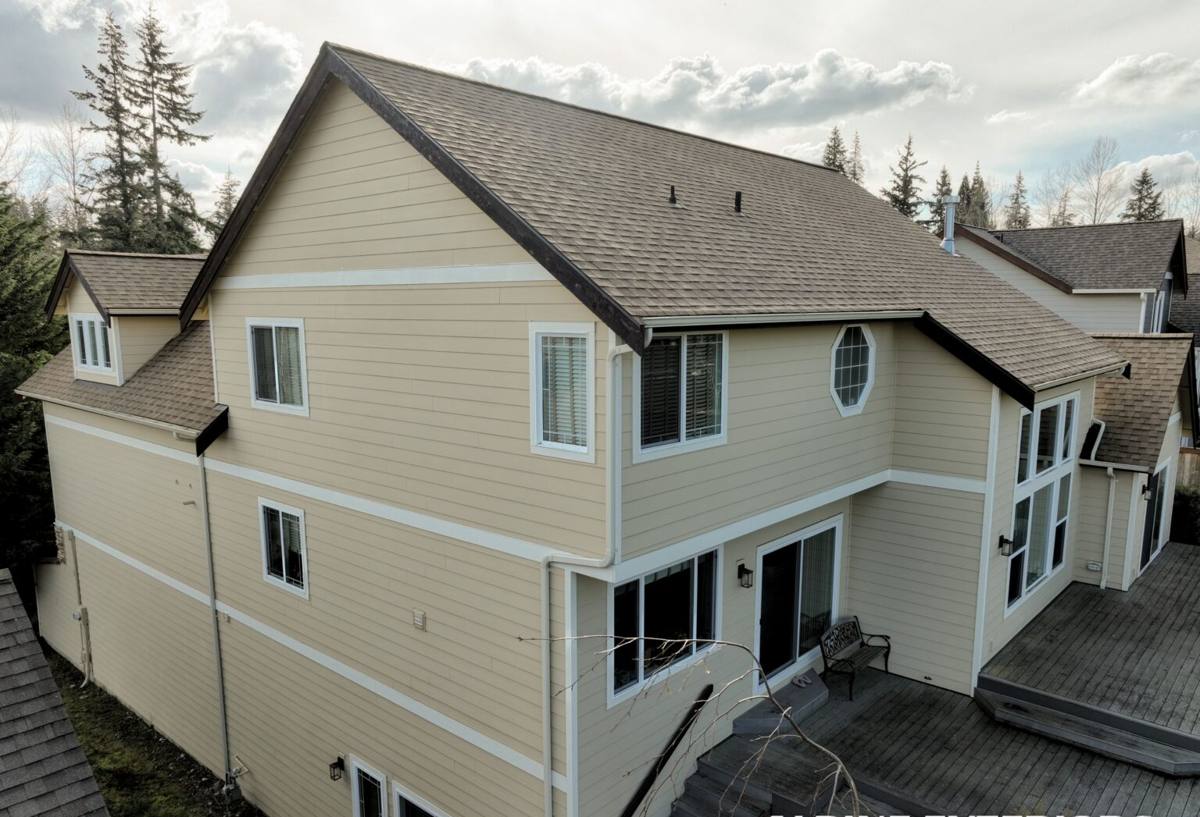
Why Coastal Pinellas Conditions Change the Job
A deck built the same way you'd build one in Ohio or inland Georgia will not last in Belleair Bluffs. Four things work against outdoor structures here, year-round, without a break:
- Salt air — proximity to the Intracoastal and the Gulf means airborne salt accelerates corrosion on any exposed metal fastener, bracket, or connector.
- Intense UV exposure — Florida sun degrades wood fibers and breaks down composite surface layers faster than almost anywhere else in the continental U.S.
- Wind-driven rain — storms here don't fall straight down; rain gets pushed sideways into ledger connections, railing posts, and any gap where water can collect instead of shed.
- Hurricane-force wind loads — Pinellas County building code accounts for this, and a deck that isn't engineered and fastened to that standard is a liability in a named storm, not just an inconvenience.
None of this is exotic knowledge — it's just the baseline for building outdoors in this county. But it only gets applied correctly when the crew treats it as the baseline, not an afterthought bolted on after the design is already decided.
What Happens When These Factors Get Ignored
Skip the right fasteners and you get rust streaks and loosening connections within a couple of years. Skip proper ledger flashing and water works its way behind the board and into the rim joist, rotting structure that's supposed to carry the whole deck's weight. Skip wind-rated post connections and a deck that looks fine in calm weather becomes the first thing to fail when gusts pick up. These aren't hypothetical — they're the most common repair calls we get on decks that were built without local conditions in mind.
What a Correct Deck Build Involves Here
A deck is really a system, not a surface. Getting it right in this climate means getting every layer of that system correct, not just the part homeowners see when they walk outside.
Foundation and Framing
Footings need to be sized and set to the depth Pinellas County soil and code require, not guessed at. Framing lumber should be pressure-treated for ground contact where it's near soil or moisture, and every structural connection — ledger to house, joist to beam, post to footing — needs corrosion-resistant, code-rated hardware. This is where salt air does the most damage over time, so it's not a place to save money on fasteners.
Ledger Attachment and Flashing
The ledger board — where the deck attaches to the house — is the single most common failure point on decks nationwide, and wind-driven rain in this area makes proper flashing non-negotiable. Done right, water is directed away from the house structure entirely. Done wrong, it's a slow leak that rots framing from the inside where you can't see it until it's a real problem.
Decking Material Selection
What you put on top matters, but it matters less than the structure underneath it. Still, material choice affects maintenance, appearance, and lifespan significantly in this climate. We'll walk through the honest trade-offs for your budget and how much upkeep you actually want to take on.
Railing and Fastener Systems
Railings need to meet code height and load requirements, and every fastener exposed to weather should be stainless steel or otherwise rated for coastal exposure. Standard galvanized hardware corrodes faster here than in most of the country — it's a real cost difference, but it's the difference between hardware that lasts and hardware you're replacing in five years.
Decking Material Comparison
| Material | Upfront Cost | Maintenance | Coastal Durability |
|---|---|---|---|
| Pressure-treated pine | Lowest | Annual sealing/staining recommended | Good if maintained consistently; UV and moisture will find gaps in upkeep |
| Composite decking | Higher | Occasional washing, no sealing | Strong resistance to salt, moisture, and UV fading when properly installed |
| Tropical hardwoods | Highest | Periodic oiling to maintain color | Naturally dense and rot-resistant, but installation sensitivity is high |
There's no universally "correct" answer here — it depends on how much maintenance you want to commit to versus what you're comfortable spending upfront. We'll give you a straight answer on which fits your situation instead of steering you toward whatever's easiest for us to install.
Our Process for Belleair Bluffs Deck Projects
- On-site assessment. We look at your lot, existing structure (if replacing a deck), drainage patterns, and sun/shade exposure before recommending anything.
- Design and material walkthrough. We go over layout, decking material trade-offs, and railing options in plain terms, with honest cost ranges.
- Permitting. Decks in Pinellas County typically require a permit and inspection. We handle the paperwork and coordinate inspections so you don't have to chase it down.
- Foundation and framing. Footings, ledger attachment, and structural framing get built to code and to the coastal-hardware standard, not the minimum.
- Decking, railing, and finish work. Surface material goes down, railings are set, and every connection point gets checked before we call it finished.
- Final walkthrough. We go over the completed deck with you directly and answer any maintenance questions before we leave.
Permitting and Code in Pinellas County
Deck construction in unincorporated Pinellas County and in Largo generally falls under the Florida Building Code, with wind-load requirements that reflect the hurricane risk along this coastline. Permits typically require engineered plans for anything beyond a small, low deck, and inspections happen at the framing stage and again at completion. Skipping permitting isn't a shortcut — it creates real problems at resale, with insurance claims after storm damage, and with code enforcement. We pull permits as a standard part of the job, not an upsell.
Maintenance Realities for This Climate
Whatever material you choose, a deck in Belleair Bluffs needs more attention than the same deck would need somewhere with milder weather. A realistic maintenance rhythm looks like this:
- Rinse salt residue and debris off the surface every few weeks, more often if you're close to the water.
- Inspect fastener heads and railing posts once or twice a year for early rust or looseness.
- Reseal or restain wood decking on the schedule the product actually needs — skipping a cycle in this UV load shows up fast.
- Check under the deck after major storms for standing water or debris buildup against framing.
- Keep gutters and downspouts near the deck clear so runoff isn't dumping extra water onto ledger connections.
Why a Largo-Based Crew Matters for Belleair Bluffs
Belleair Bluffs is a small community, and a lot of its housing stock predates current wind-load and flashing standards. A crew that regularly works in this exact area already knows the common lot layouts, the typical age and condition of existing decks and framing, and which building department contacts to coordinate with for permits. That's not something a contractor coming in from outside the county picks up on the first job — it's built from doing this work here repeatedly, on homes with the same coastal exposure yours has.
Being local also means we're accountable after the job is done. If a connection needs a look after a storm, or you have a question a year in, we're not a crew that packed up and left the county. We're based in Largo, and Belleair Bluffs is part of the area we actually live and work in.
Questions Worth Asking Any Deck Contractor
Before hiring anyone for a deck in this area, it's worth asking directly:
- Do you pull permits and coordinate inspections, or is that on me?
- What fastener grade do you use, and is it rated for coastal/salt exposure?
- How is the ledger board flashed against the house?
- What wind-load rating does the railing and post structure meet?
- Can I see how you handle footings and framing before decking goes down?
A contractor who answers these clearly and specifically, without hedging, is one who actually builds to this climate — not just to a generic national standard.
If you're planning a new deck or replacing one that's showing its age in Belleair Bluffs, we're happy to come take a look and walk you through honest options for your lot and budget. The estimate is free, there's no pressure, and you'll get a straight answer on what your project actually needs — just fill out the form below to get started.