 Largo Siding
 Clearwater's Climate Puts Real Demands on a Roof
Homes in and around Clearwater sit close enough to the Gulf that salt air, humidity, and sun exposure are part of daily life — and part of what wears a roof down faster than it would inland. Add Pinellas County's hurricane season, with the wind gusts and wind-driven rain that come with it, and you have a climate that is genuinely tough on roofing systems. A roof here isn't just shedding water; it's fighting UV degradation twelve months a year, absorbing repeated pressure from tropical storms and hurricanes, and dealing with airborne salt that can accelerate corrosion on fasteners, flashing, and metal components.
That combination is why a roof replacement in this area needs to be approached differently than the same job would be in a drier, calmer inland climate. Material choice, fastening patterns, underlayment quality, and flashing detail all matter more here, because the margin for error is smaller. A roof that's merely "up to code" in a mild climate can still underperform on a home a few miles from the water.
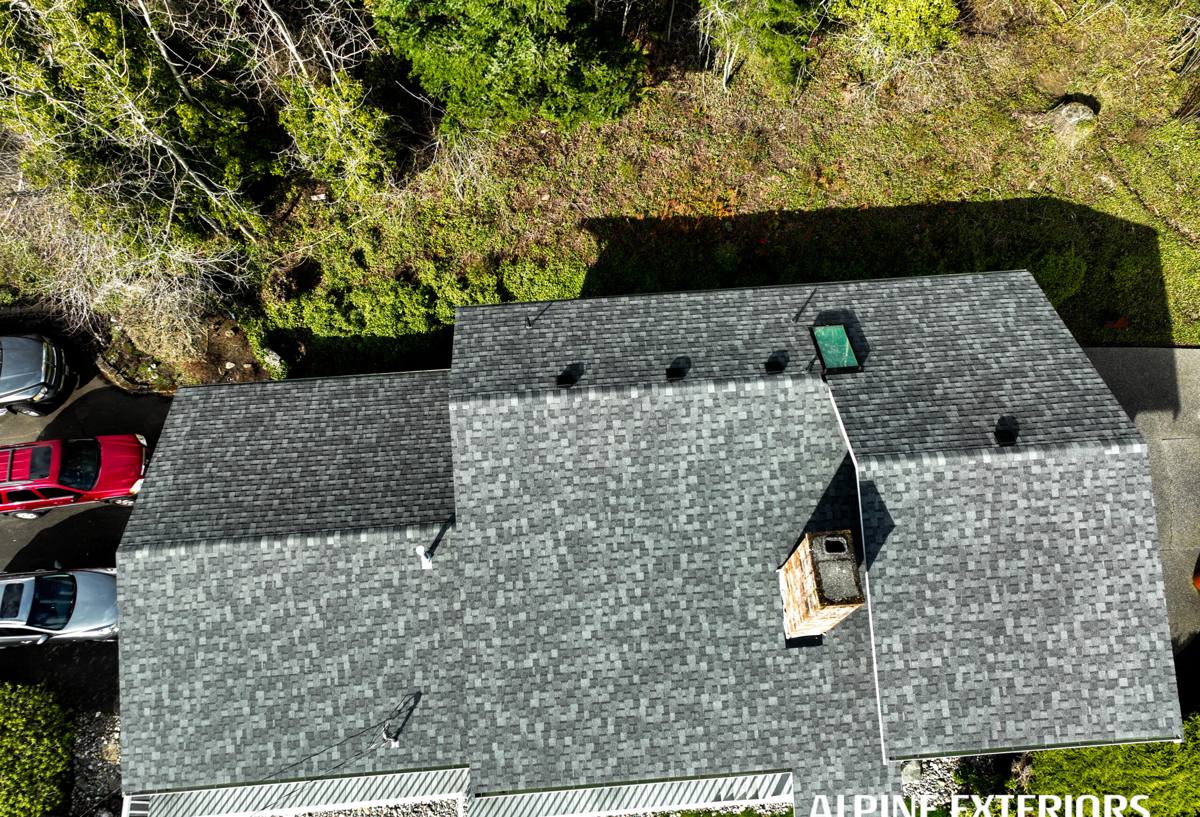
Signs a Clearwater Roof Is Ready for Replacement
Roofs rarely fail all at once. Most homeowners notice a combination of smaller issues before a full failure happens. If several of these apply to your home, it's worth having a roof evaluated rather than waiting:
- Shingles that are curling, cracking, or losing granules faster than expected for their age
- Visible sagging anywhere on the roof deck, especially near valleys or eaves
- Frequent granule buildup in gutters, a sign the shingle surface is breaking down
- Water stains on interior ceilings or in the attic after heavy rain
- Rusted, lifted, or missing flashing around chimneys, vents, or skylights
- A roof that's already 18-20+ years old and has been through multiple storm seasons
- Missing shingles or exposed underlayment after a windstorm
- Rising energy bills that suggest failing attic ventilation or insulation tied to the roof system
Any one of these on its own might be a repair. Several together, especially on an older roof, usually point toward replacement being the more honest recommendation.
What a Correct Roof Replacement Actually Involves
A roof replacement is more than swapping old shingles for new ones. Done right, it's a layered system where each component depends on the one below it. Skipping steps is how roofs that look fine on installation day end up leaking or failing early.
Tear-Off and Deck Inspection
A full tear-off removes the old roofing material down to the deck, which is the only way to actually see what's underneath. In this climate, deck inspection matters more than in drier regions — humidity and past leaks can cause hidden rot or delamination in plywood or OSB sheathing. Any compromised decking should be identified and replaced before anything new goes down. Roofing over a bad deck just hides the problem for the next crew to find.
Underlayment and Flashing
Underlayment is the roof's backup water barrier, and it earns its keep during wind-driven rain, which can push water sideways and under shingle edges during a storm. A synthetic or self-adhering underlayment, properly lapped and sealed, is a meaningful upgrade over older felt paper in a coastal climate. Flashing around chimneys, walls, skylights, and roof-to-wall transitions needs the same attention — most roof leaks trace back to flashing detail, not the field shingles themselves.
Ventilation
A hot, humid attic works against a new roof from day one, shortening shingle life and driving up cooling costs. Correct intake and exhaust ventilation keeps attic temperatures and moisture in check, which matters even more in a climate where the sun is intense nearly year-round.
Choosing the Right Roofing Material for a Coastal Pinellas County Home
There isn't one "best" roofing material for every home — the right choice depends on your roof's pitch, your budget, and how much you want to invest in long-term durability against salt air and storms. Here's an honest comparison of the options most common in this area:
| Material | Wind & Storm Performance | Salt Air & UV Durability | Maintenance |
|---|---|---|---|
| Architectural asphalt shingles | Good, especially with proper nailing pattern and high wind-rated products | Solid with quality granules; UV-resistant lines hold color better long-term | Low; periodic inspection after storms |
| Standing seam metal | Excellent; performs very well in high-wind coastal conditions | Strong when properly coated and fastened; corrosion resistance depends on coating quality | Low; occasional fastener and seam checks |
| Concrete or clay tile | Very good when correctly fastened to a structurally sound deck | Excellent; tile itself doesn't degrade from UV or salt | Moderate; individual tiles can crack from impact and need replacement |
Whatever material you choose, the installation details — fastening pattern, underlayment, edge metal, and flashing — matter as much as the product itself. A premium material installed with shortcuts will underperform a mid-range material installed correctly.
Florida Building Code and Wind Requirements
Roofing in Pinellas County is governed by the Florida Building Code, which sets requirements for wind uplift resistance, fastening schedules, and underlayment specific to coastal wind zones. A permitted roof replacement isn't just paperwork — it means the work is inspected against standards designed for the wind loads this area actually sees during tropical storms and hurricanes. Any legitimate roofing contractor working in Clearwater should be pulling permits and building to these standards as a matter of course, not as an upsell.
What to Confirm Before Work Begins
- A permit will be pulled for the replacement, not just verbal assurance it's "not required"
- The proposed shingle or material carries a wind rating appropriate for this region
- Fastening schedule and nail count meet or exceed code minimums, not just manufacturer defaults for milder climates
How We Approach a Clearwater Roof Replacement
Inspection and Honest Estimate
We start by getting on the roof, not just looking at it from the driveway. That means checking the deck condition where accessible, flashing details, ventilation, and the overall age and wear of the current system. You get a straightforward estimate that explains what needs to be done and why — no pressure, no scare tactics.
Tear-Off and Deck Prep
We remove the existing roofing material completely, inspect the deck, and replace any sections that don't meet a solid nailing surface. This step gets documented so you know exactly what was found and what was done about it.
Installation
Underlayment, flashing, and the finish material go down according to manufacturer specifications and Florida Building Code requirements for this wind zone — not the minimum that would pass in a calmer climate.
Cleanup and Final Walkthrough
We clear debris and run a magnetic sweep for stray nails, then walk the finished roof and the property with you before considering the job done.
What Affects the Cost of a Roof Replacement
Roofing is typically priced by the "square" (100 square feet of roof area), but the final number depends on more than just size. These are the main factors that move a project up or down in cost:
| Factor | Why It Matters |
|---|---|
| Roof size and pitch | Larger and steeper roofs take more material and labor time |
| Material selection | Asphalt, metal, and tile carry different material and labor costs |
| Number of existing layers | Multiple layers of old roofing mean more tear-off labor and disposal |
| Deck condition | Rotted or delaminated decking found during tear-off requires replacement before installation |
| Ventilation upgrades | Adding or improving intake/exhaust ventilation is a smart long-term investment but adds to the scope |
| Permit and code requirements | Permit fees and code-required upgrades (underlayment type, fastening) are part of an honest bid |
Be cautious of any bid that's dramatically lower than others without explaining why — it usually means something is being skipped, whether that's permits, underlayment quality, or proper fastening.
Why Hiring a Crew That Already Works in Clearwater Matters
A roofing crew that regularly works Clearwater and the surrounding Pinellas County area already knows the local permitting process, the wind zone requirements, and how the area's mix of older and newer homes tends to be built. That familiarity shows up in small but meaningful ways: knowing which deck conditions are common in homes of a certain age, understanding how salt air affects fastener and flashing choices, and scheduling work sensibly around storm season rather than leaving a home exposed at the wrong time of year. A crew unfamiliar with coastal Florida conditions may build to a generic standard instead of one suited to what this specific climate actually demands.
Protecting Your Investment After Installation
A correctly installed roof still benefits from basic upkeep. Keep gutters clear so water isn't backing up under the roof edge, have the roof visually checked after any major storm, and address small flashing or sealant issues before they become leaks. Salt air and intense sun don't stop working on a roof just because it's new — a little attention every year or two goes a long way toward getting the full lifespan out of the system you invested in.
If your Clearwater-area roof is showing its age or you just want an honest opinion on its condition, we're happy to take a look. Fill out the form below for a free, no-pressure estimate.