 Largo Siding
 Building Decks That Actually Hold Up in Clearwater
A deck built for Clearwater has to do more than look good on the day it's finished. It has to survive a Gulf Coast summer of near-daily thunderstorms, months of relentless UV exposure, salt-laden air blowing off the water, and the occasional tropical system that puts real load on every fastener and footing. A lot of deck problems we get called out to inspect weren't caused by bad luck — they were caused by a deck that was built the same way it would be built in Ohio, then dropped into Pinellas County weather.
This page is specifically about deck building for homes in and around the Clearwater area, not a generic overview of decks in general. The framing choices, fastener specs, and material recommendations below are shaped by what actually holds up here, not by what's cheapest to install or easiest to sell.
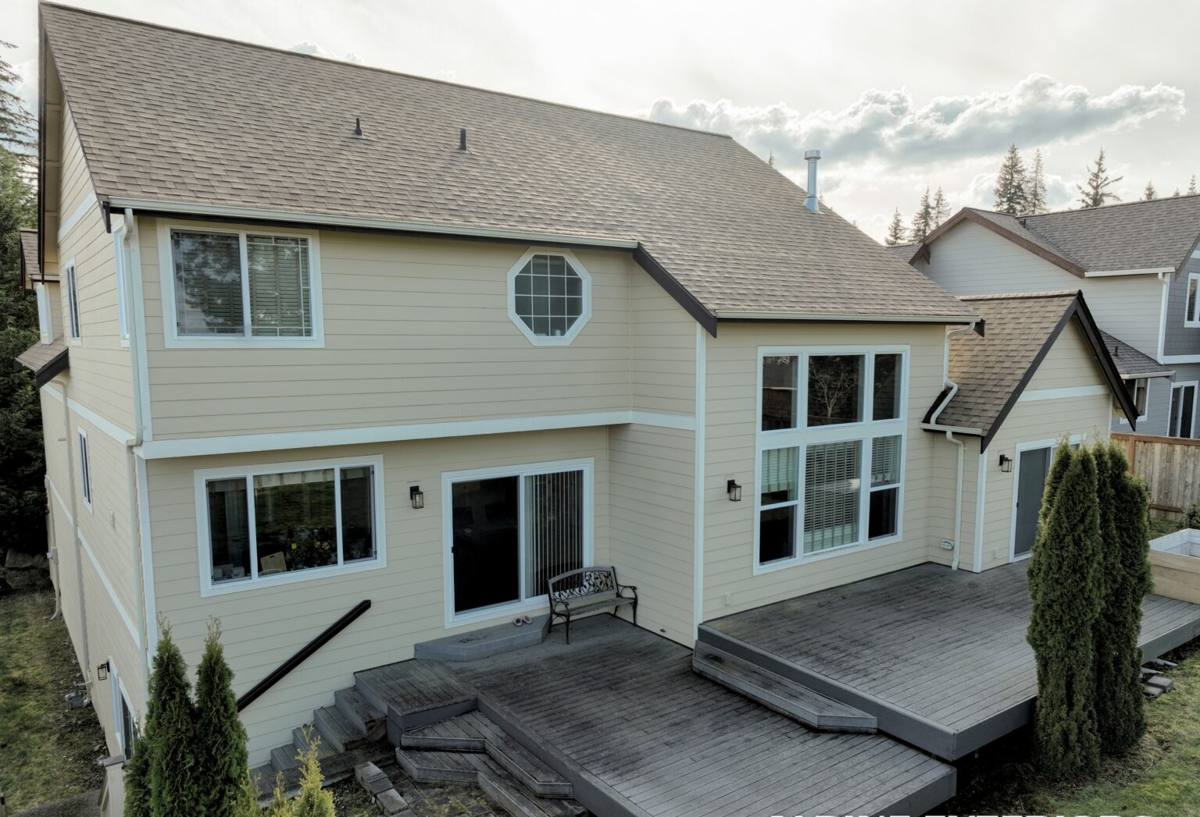
What a Deck in This Climate Actually Has to Withstand
Wind
Decks are exterior structures, which means they're subject to wind load requirements under the Florida Building Code just like your roof or your siding. Railings, ledger connections, and post footings all need to be engineered to resist uplift and lateral force, not just support the weight of people standing on them. A deck that's only built to hold static weight can come loose at the ledger board or rack sideways in sustained wind — long before it ever gets tested by a named storm.
UV and Heat
Florida sun is harder on exterior materials than most homeowners expect, and a deck gets it worse than almost anything else on the property because it's horizontal, uncovered, and absorbing direct sun for most of the day. UV breaks down the lignin in wood fibers, fades stains and finishes, and over time can cause lower-grade composite boards to chalk or discolor unevenly, especially on the sides that face west and south.
Wind-Driven Rain
It's not the rain itself that causes the most damage — it's rain driven sideways and forced into joints, fastener holes, and end grain that would normally stay dry. Deck boards, ledger connections, and post bases are all vulnerable points where wind-driven rain finds its way into wood that isn't sealed or spaced correctly, leading to rot from the inside out long before it's visible on the surface.
Salt Air
Clearwater's proximity to the Gulf means salt is in the air even well away from the immediate waterfront. Salt accelerates corrosion in fasteners, connectors, and any exposed metal hardware. A deck built with the wrong grade of screws or joist hangers can develop rust streaks and weakened connections years before the wood itself shows any wear.
Choosing the Right Decking Material for This Area
There's no single "best" decking material — there's a best material for your budget, your maintenance tolerance, and how much direct sun your deck gets. Here's how the common options actually compare under Pinellas County conditions.
| Material | Upfront Cost | Sun & Fade Resistance | Moisture/Rot Resistance | Maintenance Required |
|---|---|---|---|---|
| Pressure-Treated Pine | Lowest | Fades and grays without upkeep | Good if sealed regularly | Annual cleaning and resealing |
| Tropical Hardwood | High | Naturally dense, fades to gray over time | Very good, naturally rot-resistant | Periodic oiling to maintain color |
| Capped Composite | Mid to High | Strong, color-stable | Excellent, won't rot | Occasional washing only |
| PVC Decking | Highest | Excellent, resists chalking | Excellent, fully synthetic | Minimal |
We'll walk through these tradeoffs honestly during your estimate. Pressure-treated wood is a legitimate choice for homeowners who don't mind the upkeep and want the lowest entry cost. Capped composite and PVC cost more upfront but are worth considering for anyone who wants to spend weekends using the deck instead of maintaining it, especially on decks that sit in full sun most of the day.
A Word on Uncapped Composite
Older, uncapped composite decking has a track record of absorbing moisture at the core and fading unevenly under intense, sustained UV exposure. We don't install it as our standard recommendation for this climate — not because it's a bad product everywhere, but because it performs worse specifically in the sun and humidity conditions Clearwater sees most of the year. If you already have uncapped composite decking and are looking at repairs or a rebuild, we're happy to talk through your options.
Framing and Fasteners: Where Most Deck Failures Actually Start
The decking boards are the part everyone sees, but the framing underneath is what determines whether the deck is actually safe. This is also where corners get cut on lower-quality builds, because it's invisible once the boards go down.
- Ledger attachment — the connection between the deck and the house needs proper flashing and lag bolts or through-bolts rated for the load, not just nails or undersized screws.
- Joist hangers and connectors — should be corrosion-resistant hardware rated for coastal or treated-lumber contact, not standard interior-grade hardware that will corrode quickly in salt air.
- Fasteners — stainless steel or coated deck screws rated for exterior and treated-wood contact, sized and spaced to actual code requirements rather than whatever's fastest to install.
- Post footings — sized and set to local frost-free, load-bearing depth requirements, with proper post bases that keep wood from sitting in standing water after a storm.
- Railings and guards — built to code height and baluster spacing, with connections designed to resist lateral force, not just decorative attachment.
None of this is visible in a finished photo, which is exactly why it matters who's building it. A deck can look identical to another one built with half the fastener quality and a fraction of the structural attention.
Permitting and Code Requirements
Most deck construction in Pinellas County requires a permit, and inspections typically happen at more than one stage — footings before they're covered, and framing before the decking goes down. Florida's building code has gotten more specific about wind resistance for outdoor structures in recent years, and that applies to decks just as much as it does to roofs and carports. Skipping the permit process might save time upfront, but it creates real problems later: unpermitted structures can complicate a home sale, cause issues with insurance claims, and in some cases have to be torn out and rebuilt to pass inspection.
We pull permits, coordinate inspections, and build to the current code requirements as a standard part of every deck project — not an upsell.
Our Deck Building Process
- On-site assessment — we look at sun exposure, drainage, existing structure (if it's a rebuild), and how the space will actually be used before recommending materials.
- Design and material selection — honest conversation about tradeoffs between wood, composite, and PVC based on your budget and maintenance preference.
- Permitting — we handle the permit application and schedule required inspections with Pinellas County or the applicable local jurisdiction.
- Framing — structural work built to code wind and load requirements, using corrosion-resistant hardware suited to coastal air.
- Decking and railings — installed to manufacturer spacing specs to allow for material expansion and proper drainage.
- Final walkthrough — we go over the finished deck with you and cover basic maintenance expectations for your specific material choice.
Maintenance Checklist for a Coastal Deck
Whatever material you choose, a little regular attention goes a long way in this climate. This is a good baseline checklist regardless of what your deck is built from:
- Rinse off salt residue and debris every few weeks, especially after storms
- Check fasteners and railings for looseness or corrosion once or twice a year
- Reseal or re-stain wood decking on the manufacturer's recommended schedule, not just when it looks faded
- Keep gutters and downspouts clear so runoff isn't dumping extra water onto the deck surface
- Sweep standing water off the surface after heavy rain rather than letting it pool on boards
- Trim back vegetation that's shading boards and keeping them damp longer than they should be
Why Hiring a Crew That Already Works Clearwater Matters
Building a deck that holds up here isn't about a secret technique — it's about consistently making the right calls on fasteners, framing, and material selection instead of defaulting to whatever's standard in a builder's guide written for a different climate. A crew that regularly works in the Clearwater area already knows which hardware corrodes too fast near the water, which decking materials actually hold their color under this sun, and what local inspectors are looking for at each stage of the build. That familiarity shows up in fewer surprises during inspection and a deck that's still solid five and ten years down the road, not just on installation day.
We're a Largo-based crew that works this part of Pinellas County regularly, so the climate considerations in this page aren't theoretical — they're what we build to on every project.
If you're weighing your options for a new deck or need to talk through a rebuild, we're glad to walk the property, answer questions honestly, and put together a free, no-pressure estimate. Use the form below to get started.