 Largo Siding
 Board & Batten Siding for Belleair Bluffs Homes
Belleair Bluffs sits in one of the more exposed stretches of Pinellas County — close enough to the Intracoastal and the Gulf that salt-laden air, wind-driven rain, and intense sun are simply part of owning a home here. Board and batten siding has become a popular choice in this pocket of Largo's service area because of its clean, vertical-line look, but the material behind that look matters just as much as the style. We install board and batten exclusively in James Hardie fiber cement, and we've built our process around what actually holds up on Belleair Bluffs homes, not just what looks good on install day.
This page covers what board and batten needs to survive here, what a correctly installed job actually involves, and why working with a crew that already knows this specific stretch of coastline saves homeowners real money and headaches down the road.
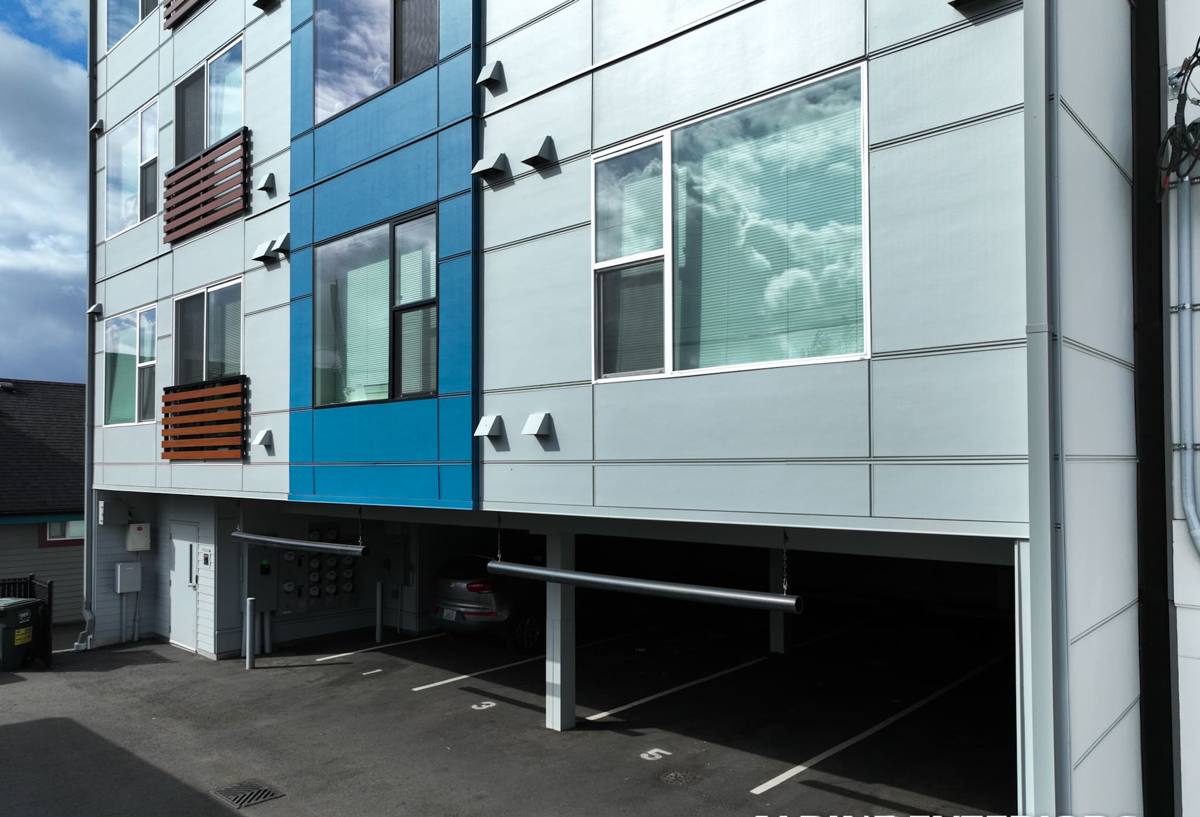
Why Belleair Bluffs Is a Tougher Test for Vertical Siding
Board and batten's vertical battens create hundreds of linear feet of seams and fastener lines on a typical home — every one of those seams is a potential entry point for water if it's not detailed correctly. That's a manageable risk in a dry, calm climate. It's a much bigger deal here.
Wind Load
Belleair Bluffs' proximity to open water means homes take direct exposure during tropical storms and hurricanes, with sustained winds and gusts that push and pull on siding panels far harder than fastening schedules for inland construction ever anticipate. Board and batten's individual battens can become a liability if they're under-fastened or spaced beyond what the manufacturer allows — a batten that lifts in a storm can peel back the panel underneath it.
Wind-Driven Rain
Rain here rarely falls straight down during a real storm. It comes in sideways, which means it gets pushed up and under battens and around window and door trim unless the flashing and caulking details are done correctly the first time. A board and batten system that isn't detailed for wind-driven rain will show it — usually as staining, soft trim, or interior moisture — well before the siding itself fails.
UV and Salt Air
Pinellas County sun is intense and constant, and it breaks down unprotected wood fiber and lower-grade coatings over time, leading to fading, chalking, and cracked caulk lines. Add in the corrosive effect of salt air on fasteners and trim, and you've got a combination that punishes any product or installation shortcut faster than it would inland.
What a Correct Board & Batten Job Requires Here
Getting board and batten right in this environment isn't about one big decision — it's about a series of small ones that all have to be correct, because water and wind only need one weak point to find their way in.
- Fastener spacing and type that meet or exceed James Hardie's high-wind fastening schedule, not the standard minimum
- Proper water-resistive barrier and rainscreen detailing behind the panels, not just siding fastened directly to sheathing
- Correctly flashed and sealed window, door, and roofline transitions — the most common failure points on any vertical siding job
- Batten spacing consistent with the manufacturer's engineering, not stretched for a "cleaner" look that compromises wind performance
- Factory-applied, baked-on finish rather than field-applied paint, so the color and sealant layer aren't relying on job-site weather conditions
- Corrosion-resistant fasteners and trim hardware suited to a near-coastal salt environment
Why We Only Install James Hardie for This Application
Board and batten is available in several materials, but not all of them are engineered for what Belleair Bluffs throws at a home. We standardized on James Hardie fiber cement because it's non-combustible, dimensionally stable in heat and humidity, and backed by a factory finish system designed to resist fading and cracking rather than relying on a job-site paint job. James Hardie also engineers products specifically for high-humidity, storm-prone climates — the HZ5 product line is built for exactly the wind and moisture conditions Pinellas County sees.
Wood-look alternatives and vinyl board and batten can be less expensive up front, but they carry trade-offs we're not willing to install and warranty: wood-based panels are more vulnerable to moisture intrusion and require more frequent recoating, and vinyl battens can warp or become brittle under sustained UV and heat. On a home exposed to open water and full Florida sun, those trade-offs tend to show up sooner rather than later. Hardie's fiber cement composition and finish system are the reason we can stand behind the work years after the crew leaves.
Material Comparison for This Climate
| Factor | James Hardie Fiber Cement | Vinyl Board & Batten | Wood/Engineered Wood |
|---|---|---|---|
| Wind/impact resistance | High, engineered fastening schedules | Moderate, can crack or blow off in high gusts | Moderate, dependent on substrate condition |
| Moisture behavior | Resists swelling and rot when installed to spec | Doesn't rot but can trap moisture behind panels | Vulnerable to swelling, rot, and pest damage |
| UV/fade resistance | Factory ColorPlus finish, long fade resistance | Can fade and become brittle over time | Requires regular repainting or resealing |
| Fire performance | Non-combustible | Combustible | Combustible |
| Typical maintenance | Periodic washing, minimal recoating | Periodic washing, panel replacement over time | Regular repainting/staining, moisture inspections |
Our Process for Belleair Bluffs Board & Batten Projects
Assessment and Measurement
We start with a walk-around of the home to check the existing wall assembly, note any moisture or rot already present, and measure for batten spacing that fits both the home's proportions and Hardie's engineering requirements. This is also when we identify problem areas specific to the property — low-hanging roof valleys that dump extra water onto a wall, or sections with more direct salt-air exposure.
Prep and Water Management
Before any panel goes up, we make sure the water-resistive barrier and flashing details are correct. This step gets skipped or rushed more than any other on lower-quality installs, and it's the single biggest factor in whether board and batten siding stays watertight through storm season after storm season.
Installation to Manufacturer Spec
Panels and battens go up following James Hardie's published fastening and clearance requirements for this wind zone — not a generic national standard. Every seam, corner, and penetration gets sealed with a product rated for exterior, high-UV use.
Final Walkthrough
We walk the finished job with the homeowner, checking caulk lines, trim details, and overall fit before we consider the project done.
Why a Local Crew Matters for This Job
Board and batten detailing that works fine in a low-wind, low-humidity climate can fail within a few years in a near-coastal Pinellas County neighborhood like Belleair Bluffs. A crew that works this area regularly already knows which details to over-build — tighter fastening, better flashing at transitions, corrosion-resistant hardware — because they've seen what happens when those details are treated as optional. That local knowledge shows up in fewer callbacks, fewer surprises during the next named storm, and siding that still looks and performs well a decade in.
Maintenance Expectations After Installation
Even correctly installed James Hardie board and batten benefits from basic upkeep in this climate. None of it is complicated, but skipping it shortens the life of any siding system.
- Rinse the exterior periodically to clear salt residue and airborne debris, especially on sides facing open water
- Inspect caulk lines at windows, doors, and trim annually and after major storms
- Check for any panels or battens that show movement after high-wind events
- Keep landscaping and sprinklers from holding moisture against the base of the siding
- Address any minor caulk or trim issues promptly, before wind-driven rain finds the gap
Cost Factors to Expect
Board and batten pricing depends on more than square footage. A few factors specific to this type of project and area tend to move the estimate more than homeowners expect:
| Factor | Why It Matters |
|---|---|
| Wall complexity and trim detail | More corners, windows, and transitions mean more flashing and sealing work |
| Batten spacing chosen | Tighter spacing uses more material and labor than wider spacing |
| Condition of existing sheathing | Rot or moisture damage found during tear-off adds repair scope |
| Access and site conditions | Tight lots or two-story sections affect labor and equipment needs |
| Color and finish selection | Factory ColorPlus finishes vary by shade and product line |
If you're weighing board and batten siding for a home in Belleair Bluffs, we're glad to take a look and walk you through what your specific property needs — no pressure, no obligation. Use the form below to request a free estimate.