 Largo Siding
 Window Replacement in Belleair Bluffs: A Climate That Doesn't Forgive Shortcuts
Belleair Bluffs is a small, established residential community in Pinellas County, tucked in close to the Intracoastal side of the peninsula between Largo and the beach communities to the west. Like much of this part of the county, it includes a mix of older homes built before current wind-load codes and newer or renovated properties already fitted with impact-rated products, which is part of why window condition varies so much block to block. It's a good example of a place where window replacement isn't just a cosmetic upgrade — it's a structural decision. Homes here sit exposed to the full range of what a Gulf Coast climate throws at a building envelope: hurricane-force wind events, wind-driven rain that gets pushed sideways into wall assemblies, some of the most intense year-round UV exposure in the country, and salt-laden air that doesn't let up just because a home isn't directly on the water.
We do siding, roofing, and window work throughout Largo and the surrounding Pinellas County communities, including Belleair Bluffs, and windows are where a lot of that climate exposure concentrates. A window opening is the biggest interruption in an exterior wall, and it's where wind pressure, water intrusion, and UV degradation all show up first. Getting a window replacement right here means treating the whole assembly — glass, frame, flashing, and anchoring — as a system built for this specific environment, not just picking a product off a shelf.
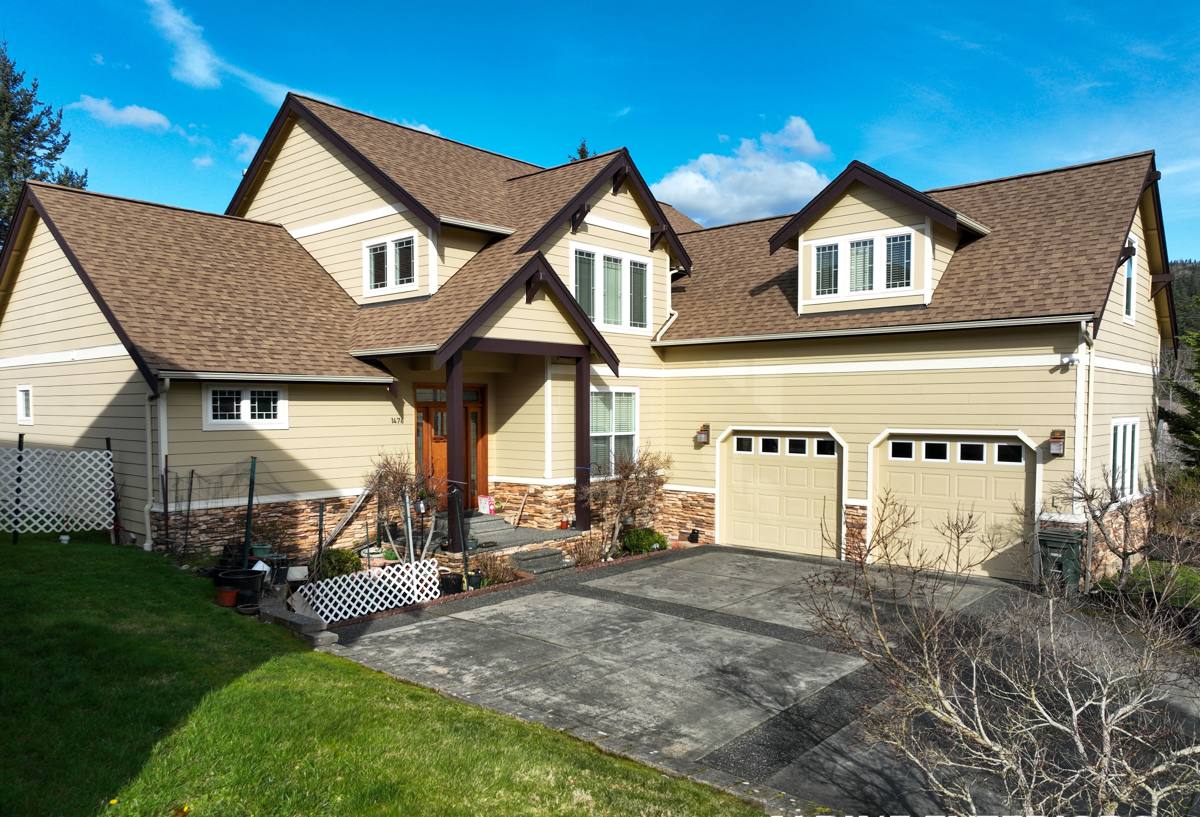
What Belleair Bluffs' Coastal Climate Does to Windows
Hurricane-Force Wind Loads
Pinellas County sits in Florida's wind-borne debris territory, and Belleair Bluffs' proximity to open water means homes here are designed and permitted around real wind pressure requirements, not worst-case theoretical numbers. Older windows, especially ones installed before current Florida Building Code wind provisions were in place, often weren't engineered to handle sustained pressure or debris impact from a tropical storm or hurricane. That's a structural weak point, not just a maintenance concern.
Wind-Driven Rain
Storms coming off the Gulf don't drop rain straight down — they drive it sideways into wall assemblies and window openings under real pressure. A window that seals fine in a light rain can still leak badly in a wind-driven event if the flashing and sealing around the rough opening weren't done correctly. This is one of the most common sources of hidden water damage we find behind older siding and window trim in this area.
Intense, Year-Round UV
Florida's UV exposure runs high nearly every month of the year, and it's hard on window components that don't get much attention until they fail. Vinyl frames, weatherstripping, seals, and low-quality glazing coatings can degrade, discolor, or lose their seal integrity years faster here than in a milder climate. UV exposure is also a big part of why interior furnishings and flooring fade near older, unprotected glass.
Salt Air and Corrosion
Belleair Bluffs doesn't front the open Gulf directly, but it's close enough to the Intracoastal and coastal air patterns that salt-laden moisture reaches homes here regularly. Salt air accelerates corrosion on window hardware, screws, hinges, and lower-grade metal components. Fasteners and hardware rated for coastal exposure hold up meaningfully longer than standard-grade parts in this environment, and rinsing accumulated salt film off frames and glass periodically helps slow that process down.
Signs a Belleair Bluffs Home Needs Window Replacement
Not every window problem means a full replacement, but certain signs point toward it being the right call rather than a repair:
- Fogging or visible moisture trapped between panes of a double-pane window
- Frames that feel soft, chalky, or show visible cracking from UV exposure
- Difficulty opening, closing, or locking a window that used to work smoothly
- Visible gaps, daylight, or drafts around the frame where it meets the wall
- Corroded, pitted, or seized hardware that no longer functions reliably
- Water staining on interior sills, trim, or nearby drywall after storms
- Windows that pre-date current wind-load and impact requirements for this area
Impact-Rated Windows vs. Standard Windows Plus Shutters
For homes in this part of Pinellas County, there are two accepted paths to meeting wind-borne debris protection requirements: impact-rated windows with laminated glass, or standard windows paired with code-approved shutters or panels. Both can satisfy code depending on your specific permit requirements, but they perform differently day to day.
| Factor | Impact-Rated Windows | Standard Windows + Shutters |
|---|---|---|
| Storm prep effort | None — protection is built in | Shutters must be installed before each storm |
| Upfront cost | Higher per window | Lower window cost, added shutter cost |
| Everyday UV and noise performance | Laminated glass also cuts UV and sound | No added benefit outside storm events |
| Appearance | Clean, unobstructed year-round | Shutters visible or need storage when not in use |
| Long-term maintenance | Frame and glass only | Shutter hardware and tracks need upkeep too |
Neither option is wrong, and the right call often comes down to budget and how the homeowner weighs upfront cost against day-to-day convenience. We walk through both honestly rather than defaulting to the higher-cost option by habit.
What a Correct Window Replacement Job Involves
Permitting and Code Compliance
Window replacement in Belleair Bluffs typically requires a permit through the local building department, and the specific wind-load and impact requirements depend on your exact address and the current Florida Building Code provisions in effect. We handle that permitting process as part of the job rather than leaving it to the homeowner to sort out.
Flashing, Sealing, and Rough Opening Prep
The window unit itself is only part of the job. The rough opening has to be properly prepped, flashed, and sealed so that water is directed out and away from the wall assembly rather than trapped behind it. This is the detail that determines whether a window stays dry through wind-driven rain, and it's also the detail that gets rushed on cheap installations.
Proper Fastening and Anchoring
Impact-rated and hurricane-zone windows are only as strong as their anchoring into the surrounding structure. Fastener type, spacing, and embedment depth all matter and are typically specified by the window's product approval documentation — cutting corners here undermines the wind rating of the window itself, regardless of how good the glass and frame are.
Choosing Windows for This Environment
Frame Material
Vinyl and aluminum frames are both common choices for Gulf Coast homes, and each has trade-offs. Vinyl generally costs less and resists corrosion well but can expand and contract more with heat. Aluminum holds up structurally well under wind load but needs a quality finish to resist salt air corrosion over time. We talk through both rather than pushing one as universally correct.
Glazing and Impact Glass
Impact-rated glass uses a laminated interlayer that keeps the glass intact even when the outer pane cracks under debris impact, which is what allows it to meet wind-borne debris code requirements without shutters. Beyond storm protection, laminated glass also blocks a meaningful amount of UV transmission and cuts down on outside noise, both of which matter in a Florida climate.
Energy Performance and Cooling Costs
Cooling costs run high for most of the year in this part of Florida, and windows play a bigger role in that than homeowners often expect. Older single-pane or poorly sealed windows let a lot of heat transfer directly into the home, which means the air conditioner runs longer and harder to compensate. Low-E glazing coatings reduce that heat transfer in both directions, and a tighter, better-sealed frame cuts down on the drafts and air leakage that force a cooling system to work overtime. It's not the main reason to replace a window in this climate, but it's a real, ongoing cost difference that adds up over the life of the window.
Hardware and Finish
Hardware grade matters more here than in a drier, inland climate. Corrosion-resistant hardware and fasteners hold up against salt air exposure far longer than standard-grade parts, and it's a detail worth confirming with any contractor rather than assuming it's included by default.
Our Process
We start with an on-site assessment of your existing windows — checking frame condition, seal integrity, hardware function, and how any past installation handled flashing and sealing. From there we walk through whether impact-rated windows or a standard-plus-shutter approach makes more sense for your home and budget, pull the required permit, and give you a written scope before work begins. Proper flashing and sealing are treated as standard practice on every window we install, not an upgrade. Once the new windows are in, we walk through basic upkeep with the homeowner — keeping weep holes clear so water can drain properly, and rinsing salt residue off frames periodically — since a little routine care goes a long way toward getting the full service life out of a window in this climate.
A Checklist Before You Hire for Window Work in Belleair Bluffs
- Confirm current Florida contractor licensing and active liability insurance
- Ask whether the quoted windows meet current wind-borne debris requirements for your address
- Get a written scope that separates the manufacturer's product warranty from the installation warranty
- Confirm who is responsible for pulling and closing out the permit
- Ask specifically how flashing and sealing will be handled at the rough opening, not just what window brand is being installed
Why a Local Crew Matters for Belleair Bluffs
A contractor who regularly works this stretch of Pinellas County already understands how wind-driven rain, salt air, and year-round UV behave here compared to a drier or more inland climate. That shows up in the details that actually determine long-term performance — how much attention flashing gets, which hardware grade is specified, and whether permitting and wind-load documentation are handled correctly the first time. Those aren't things a homeowner should have to catch after the fact.
If your windows in Belleair Bluffs are drafty, foggy, hard to operate, or you're simply not sure whether they'd hold up in the next storm season, we're happy to take a look and give you a straight answer. Reach out below for a free, no-pressure estimate.