 Largo Siding
 Belleair Bluffs Sits in a Tough Spot for Siding
Belleair Bluffs is a small city wedged between Largo and Clearwater, close enough to the Intracoastal Waterway and the Gulf that salt-laden air is a daily fact of life, not an occasional nuisance. Add in Pinellas County's intense year-round UV exposure, the wind-driven rain that comes with almost every summer storm, and the real possibility of hurricane-force winds during the season, and you have a climate that is genuinely hard on exterior siding. Homes here don't fail because homeowners neglected them — they fail because the siding wasn't built, or installed, for this specific combination of stresses.
We're a Largo-based crew, and Belleair Bluffs is inside our regular service area, not a stretch assignment. That matters more than it sounds like it should, and we'll explain why later in this page. First, let's talk about what actually happens to siding here, and what a correct replacement needs to account for.
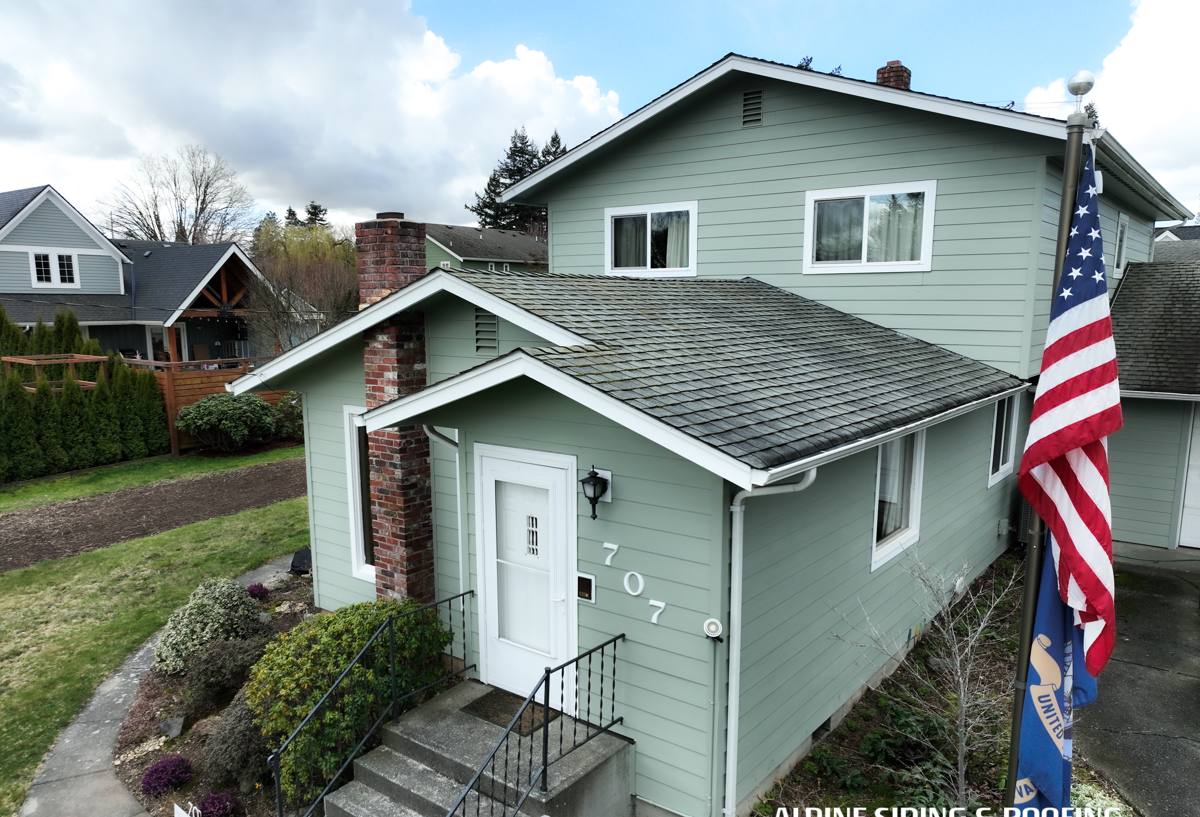
What Sun, Salt, and Storms Actually Do to Siding
UV and Heat
Florida sun is relentless. Cheaper siding finishes chalk, fade unevenly, and lose their factory color within a handful of years, especially on south- and west-facing walls. Heat cycling — hot days, cooler nights, daily expansion and contraction — also stresses seams, caulk joints, and fasteners over time.
Wind-Driven Rain
It's rarely straight-down rain that causes problems. Wind-driven rain gets pushed sideways and upward into laps, seams, and penetrations that were never designed to shed water from that angle. Once moisture gets behind siding, it doesn't matter how good the surface material looks — what's happening underneath determines whether the wall assembly survives.
Salt Air
Proximity to the coast means airborne salt settles on every exterior surface. It accelerates corrosion on fasteners and trim, and it can degrade certain finishes and substrates faster than the same product would wear inland. Coastal-adjacent cities like Belleair Bluffs feel this more than areas further from the water.
Hurricane-Force Wind
Wind load is a structural question, not just a cosmetic one. Siding needs to stay fastened to the wall through sustained gusts, and it needs to not become flying debris if it fails. This is where material choice and installation quality matter most.
Signs Belleair Bluffs Homeowners Should Watch For
Siding damage isn't always obvious from the street. Some of the most common early warning signs we see on homes in this area include:
- Visible warping, buckling, or waviness in siding panels, especially after a hot stretch or a storm
- Soft or spongy spots when you press on the siding near the bottom courses or around windows
- Paint that's peeling, bubbling, or failing faster than it should on interior walls near exterior corners — often a sign of moisture intrusion
- Visible gaps opening up at seams, corners, or trim boards
- Persistent mildew or discoloration that returns quickly after cleaning
- Cracked or missing panels after wind events
- Fastener heads popping through the surface, or rust streaks running down from nail heads
Any one of these can be a minor fix. Several at once, or damage that keeps recurring in the same spots, usually means the underlying wall assembly — not just the visible siding — needs attention.
What a Correct Siding Replacement Actually Involves
Replacing siding is not simply removing old panels and nailing up new ones. Done right, a full replacement addresses everything the old siding was hiding, and everything the new siding will depend on to perform for decades.
Full Tear-Off and Inspection
We remove the existing siding down to the sheathing so we can actually see the wall. This is the point where hidden water damage, soft sheathing, or compromised framing gets found and dealt with — not covered back up.
Moisture Barrier and Flashing
A weather-resistive barrier goes on correctly lapped so water sheds downward and outward, never backward into the wall. Flashing at windows, doors, and any wall penetration is what actually stops wind-driven rain from getting behind the siding in the first place — this detail matters more in a climate like ours than almost anything else in the job.
Fastening for Wind Load
Fastener type, spacing, and placement are engineered to the product manufacturer's specifications for our wind zone. This is not a place to cut corners — it's the difference between siding that stays put in a bad storm and siding that doesn't.
Trim, Caulking, and Finish Details
Corners, joints, and penetrations get sealed with the right materials in the right sequence. Sloppy caulking is one of the most common causes of early siding failure we see on homes that were "replaced" by someone in a hurry.
Material Comparison: What We See Fail vs. What Holds Up
Homeowners are often quoted several different siding materials. Here's an honest look at how the common options perform under Belleair Bluffs conditions specifically.
| Factor | Vinyl | Wood / LP SmartSide (engineered wood) | James Hardie Fiber Cement |
|---|---|---|---|
| Wind resistance | Can crack or blow off in high gusts; softens and deforms in extreme heat | Rated for wind, but seams and edges are vulnerable if moisture gets in first | Engineered and rated for high-wind zones when installed to spec |
| UV / fade resistance | Fades and chalks over time, especially darker colors | Paint finish fades and requires repainting on a regular cycle | Factory ColorPlus finish is baked on and formulated to resist Florida sun |
| Moisture behavior | Can trap moisture behind panels if not vented and installed correctly | Wood-based core can swell or deteriorate if moisture gets past the finish | Cement-based composition doesn't rot; moisture management still depends on correct installation |
| Salt air / corrosion | Panels don't corrode, but trim and fasteners can | Moisture plus salt air accelerates wood-based deterioration | Non-combustible, dense material holds up well in coastal-adjacent exposure |
| Combustibility | Vinyl can melt or ignite under enough heat | Wood-based core is combustible | Non-combustible fiber cement |
We're not going to pretend vinyl or engineered wood siding are bad products in every setting — they're not. But we made a professional decision years ago to install only James Hardie fiber cement, because it's the product that consistently holds up best against the exact combination of sun, salt, wind, and wind-driven rain that Belleair Bluffs and the rest of Pinellas County deal with every year.
Why James Hardie Is the Only Siding We Install
James Hardie makes climate-engineered product lines, including HZ5 formulations built specifically for high-humidity, storm-exposed regions like ours. The ColorPlus factory finish is baked on under controlled conditions, which is a meaningfully different process than field-applied paint, and it's a major reason Hardie siding holds its color longer in intense Florida sun. Fiber cement is also non-combustible, which is worth something on its own regardless of climate.
Hardie backs its products with a strong, transferable warranty — useful both for peace of mind and for resale value if you sell the home down the road. None of this is magic; it's the result of a manufacturer building a product specifically for the conditions Gulf Coast homes actually face, rather than a general-purpose siding product that happens to also be sold here. When it's installed correctly — proper flashing, proper fastening, proper clearances — it's the option we're comfortable standing behind on our own crew's work.
Our Process, Start to Finish
- Free on-site estimate — we walk the exterior with you, look at current siding condition, and talk through what we're seeing
- Detailed written proposal — scope, materials, and timeline in plain language, no pressure to sign on the spot
- Scheduling — we plan around weather windows, since installation quality depends on doing the work in the right conditions
- Tear-off and inspection — old siding comes off, sheathing gets inspected, any hidden damage gets discussed with you before we move forward
- Weather barrier, flashing, and installation — done to manufacturer spec for our wind zone
- Final walkthrough — we go over the finished job together before we consider it done
Why a Local Largo Crew Matters for Belleair Bluffs Specifically
Belleair Bluffs is a small city, and its permitting and inspection process runs through its own local channels rather than being identical to every other municipality in Pinellas County. A crew that already works this area regularly knows what inspectors here expect to see, what the local wind zone requirements call for, and how to plan around the practical realities of working in a dense residential community — narrow lots, close-set homes, and limited staging space in some neighborhoods.
That familiarity isn't a sales pitch — it's the difference between a job that sails through inspection and one that gets flagged for a detail an out-of-town crew didn't know to check. We're based in Largo, and Belleair Bluffs is part of our regular working radius, not a special trip.
Questions to Ask Any Contractor Before You Hire Them
Whether you call us or someone else, these are the questions worth asking before you sign anything:
- Are you licensed and insured to work in Pinellas County, and can you provide proof?
- Will you pull the required permit, or is that left to me?
- What brand and product line of siding are you proposing, and why that one for my home?
- What's your plan for flashing and moisture management, specifically?
- What fastening pattern and spacing will you use, and is it rated for our wind zone?
- What does the manufacturer's warranty actually cover, and is it transferable if I sell the home?
- Can you walk me through what happens if you find hidden damage once the old siding is off?
A contractor who answers these clearly and specifically, without dodging or vague reassurances, is one worth trusting with your home.
Ready to Talk About Your Siding?
If your Belleair Bluffs home is showing warping, gaps, fading, or storm damage — or if it's simply due for a straightforward, honest look — we're happy to come take one. The estimate is free, there's no pressure attached to it, and you'll get a clear answer about what your home actually needs. Just fill out the form below to get started.