 Largo Siding
 Roof Replacement Built for Belleair Bluffs Conditions
Belleair Bluffs sits close enough to the Intracoastal and the Gulf that its homes take on a different set of weather stresses than roofs just a few miles inland. Between the elevation changes along the bluff, the mix of older and newer construction, and the exposure to salt-laden air moving in off the water, roofs here age on their own timeline. A roof replacement in this neighborhood isn't just about swapping old shingles for new ones — it's about matching the roof system to what this specific stretch of Pinellas County actually throws at it year after year.
We work on homes throughout Belleair Bluffs and the surrounding Largo area, and we've seen firsthand how a roof that would last two more decades in a drier, calmer climate can be showing real wear here well before that. This page walks through what drives that wear, what a correct replacement looks like, and how we handle the job from first inspection to final cleanup.
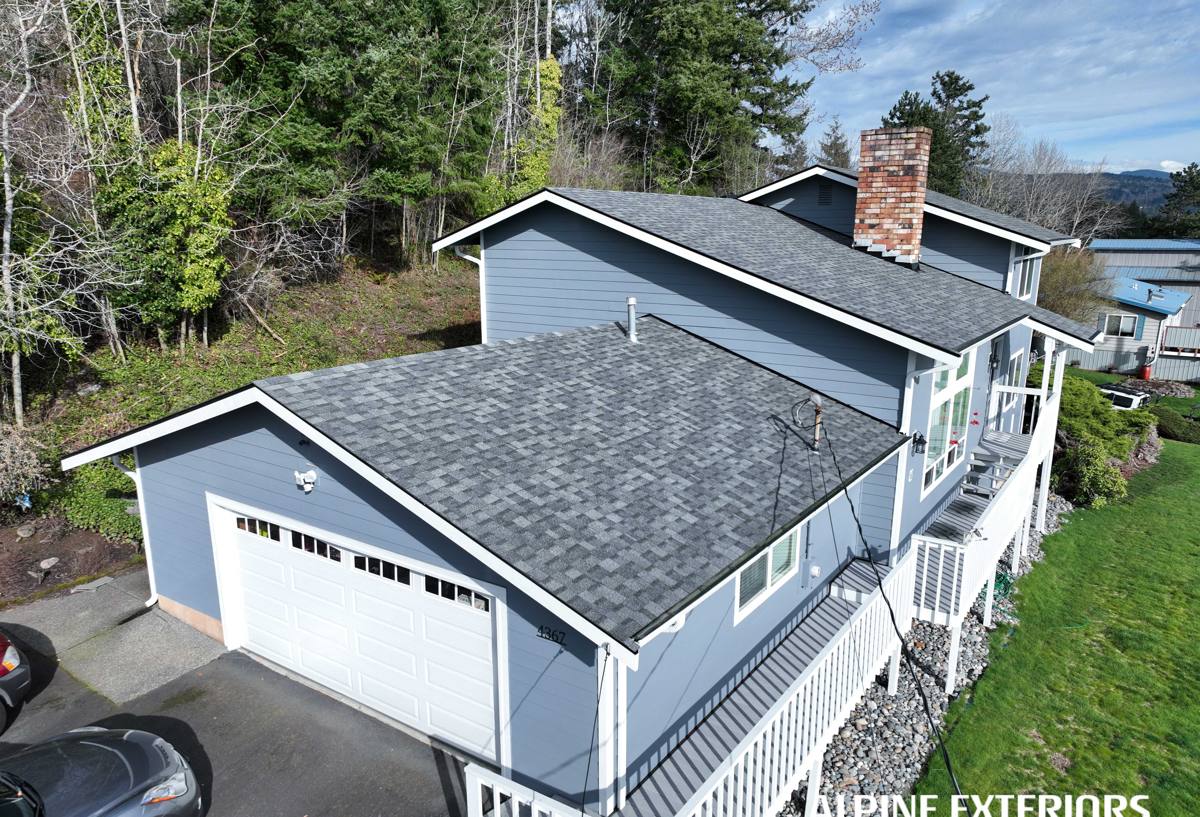
What Coastal Pinellas County Weather Does to a Roof
Florida's Gulf Coast climate isn't gentle on any exterior surface, and roofs absorb more of that punishment than almost anything else on a house. A few factors matter most for Belleair Bluffs specifically:
Hurricane-Force Wind
This part of Pinellas County sits in a high-wind zone under Florida's building code. Storms don't need to make a direct hit to cause damage — sustained tropical-storm-force wind and gusts from storms passing well offshore can still lift shingle tabs, work flashing loose, and stress roof-to-wall connections over time. Repeated wind events add up, even when no single storm causes obvious damage.
Intense, Year-Round UV Exposure
Florida's sun angle and long exposure season break down asphalt shingle oils and granules faster than in most of the country. UV degradation is gradual and often invisible from the ground, which is why a roof can look fine from the driveway while its underlying materials have already lost much of their flexibility and weather resistance.
Wind-Driven Rain
Rain that falls straight down is easy for a roof to shed. Rain driven sideways by wind — common in coastal storms — tests every seam, flashing point, and fastener on the roof. A roof system that isn't detailed correctly at valleys, penetrations, and edges can develop leaks under wind-driven rain long before it would under calm conditions.
Salt Air
Proximity to the water means airborne salt settles on roofing materials and metal components. Over time this accelerates corrosion on exposed fasteners, flashing, and any metal roofing components that aren't rated for coastal exposure. It's a slower process than wind or UV damage, but it's constant.
Signs a Belleair Bluffs Roof Is Due for Replacement
Not every roof problem means a full replacement, but certain signs point strongly in that direction — especially on a roof that's already 15-25+ years old or has been through several storm seasons. Use this list as a starting point, not a diagnosis:
- Shingles that are curling, cupping, or losing significant granule coverage (visible as bald or shiny patches)
- Multiple missing or lifted shingles after wind events, even if patched repeatedly
- Soft spots or sagging when walked on, which can indicate decking damage underneath
- Daylight visible through the attic roof deck, or water stains on interior ceilings
- Flashing around chimneys, skylights, or vent pipes that's rusted, cracked, or pulling away
- A roof that's outlasted its material's expected service life for this climate
- Rising insurance premiums or a wind mitigation inspection flagging the roof's age or condition
- Visible granules collecting in gutters or at downspout discharge points
If you're seeing two or more of these, it's worth getting an honest inspection before deciding between repair and replacement.
What a Correct Roof Replacement Actually Involves
A roof replacement done right is more than laying new shingles over what's there. Every layer matters, and skipping steps is exactly how a new-looking roof fails early in coastal wind and rain.
Full Tear-Off
We remove existing roofing material down to the deck rather than layering over it. This lets us actually see the condition of the decking and catch problems — soft plywood, old leaks, prior repair shortcuts — that would otherwise stay hidden under new shingles.
Deck Inspection and Repair
Any damaged or deteriorated decking gets replaced before anything new goes down. Installing a new roof over compromised decking undermines the whole system, no matter how good the shingles are.
Underlayment
In a high-wind, wind-driven-rain climate, underlayment is the backup layer that keeps water out if wind ever gets under the primary roofing material. We use underlayment rated for the wind exposure this area sees, not the minimum required elsewhere in the state.
Flashing and Roof-to-Wall Details
Valleys, chimneys, skylights, and wall intersections are where most leaks start. Correct flashing work here matters more than the shingle brand on top of it.
Fastening for Wind Uplift
Florida building code sets fastening and nailing pattern requirements based on wind zone, and Pinellas County's coastal exposure puts Belleair Bluffs at the stricter end of that range. Correct nailing patterns and fastener counts are what actually keep shingles attached in high wind — not just the shingle's rated wind speed on the wrapper.
Ventilation
Proper attic ventilation reduces heat buildup and moisture accumulation, both of which shorten a roof's service life in Florida's climate. We check existing ventilation and correct it as part of the replacement when needed, not as an afterthought.
Comparing Roofing Materials for This Climate
There's no single "best" roofing material for every Belleair Bluffs home — it depends on the house, the budget, and what the homeowner is optimizing for. Here's an honest comparison of the main options we install:
| Material | Wind/Storm Performance | Maintenance | Typical Lifespan Here | Relative Cost |
|---|---|---|---|---|
| Architectural asphalt shingle | Good, with correct fastening and underlayment | Low to moderate | 15-25 years | Lower |
| Metal roofing | Very good when properly installed and fastened | Low | 30-50 years | Higher |
| Concrete or clay tile | Very good structurally; underlayment condition drives leak risk | Moderate (periodic underlayment/flashing checks) | 30-50+ years (tile itself; underlayment sooner) | Higher |
Salt air affects all of these to some degree, which is why fastener and flashing material selection matters as much as the primary roofing product. We'll walk through the real trade-offs for your specific roof rather than pushing one option across the board.
How Our Replacement Process Works
We keep the process straightforward and communicate at each stage, since a roof replacement disrupts a household for a few days and homeowners deserve to know what's happening and when.
- Inspection and estimate: We assess the current roof, decking condition, ventilation, and any storm damage, then provide a written estimate with material options.
- Material selection: We go over the trade-offs between shingle, metal, and tile options based on your home, budget, and how long you plan to stay in it.
- Permitting: Roof replacements in Largo and Pinellas County require a building permit and inspections. We handle the permitting process so it's not on you to navigate.
- Tear-off and deck inspection: Full removal of old material, with any deteriorated decking replaced before moving forward.
- Underlayment, flashing, and installation: Installed to current wind-zone code requirements, not just minimum standards.
- Cleanup: Magnetic sweep for nails and full site cleanup before we consider the job done.
- Final walkthrough and inspection: We review the completed work with you and coordinate the final county inspection.
Permitting, Wind Mitigation, and Insurance
Pinellas County requires permits and inspections for roof replacement, and Belleair Bluffs' wind exposure classification affects what code requires for fastening, underlayment, and in some cases roof-to-wall connections. Getting this right isn't optional paperwork — it's what determines whether the roof actually performs in a storm and whether you can document that performance to your insurer.
Many homeowners in this area also get a wind mitigation inspection after a roof replacement, since insurers offer premium credits for verified wind-resistant features like proper roof-to-wall attachment, secondary water barriers, and impact-rated components. We build the roof to support a strong wind mitigation report and can point you toward what to have inspected afterward — though the inspection itself is typically done by a separate licensed inspector for insurance purposes.
Questions Worth Asking Before You Sign a Contract
- Is the contractor licensed and insured to work in Pinellas County, and can they provide proof?
- Does the estimate specify underlayment type, fastening pattern, and flashing materials — not just "new roof"?
- Will they pull the permit themselves, or leave that responsibility to the homeowner?
- What's the manufacturer's warranty on materials, and what's the workmanship warranty from the installer?
- Do they inspect and disclose decking condition before finalizing the price, or is that a potential change-order surprise later?
Why It Matters That We Already Work in Belleair Bluffs
A roof replacement crew that only occasionally works this close to the water can miss things that a crew familiar with the area catches automatically — the right fastener and flashing materials for salt exposure, realistic expectations around wind-zone code requirements, and an understanding of how storms actually move through this part of the Gulf Coast. We work throughout Largo and the surrounding Pinellas County communities, including Belleair Bluffs, and that regular exposure to these exact conditions shapes how we spec and install every roof.
It also means we're not learning the county's permitting process on your job. We know what inspectors here are looking for, which keeps the project moving instead of stalling on avoidable delays.
Get a Straightforward, No-Pressure Estimate
If your Belleair Bluffs roof is showing its age or you're just planning ahead, we're glad to come take a look, answer your questions honestly, and put together a written estimate with no pressure attached. Use the form below to request a free roof replacement estimate.