 Largo Siding
 Roofing on a Barrier Island Is Its Own Job
Belleair Beach sits out on the barrier island strip of Pinellas County, with the Gulf of Mexico on one side and the Intracoastal on the other. That location is why homeowners here love it, and it's also why roofs here take more abuse than roofs just a few miles inland in Largo. Every storm that moves through comes off open water first, which means higher sustained wind, more wind-driven rain forced sideways under roof edges, and salt-laden air that never really lets up. Add in Florida's year-round UV load and you have a combination that ages roofing material faster than most manufacturers' warranty literature assumes.
None of that means a Belleair Beach roof is doomed to constant trouble. It means storm damage repair here has to account for things a general "any roof, anywhere" repair might miss: corrosion on fasteners and flashing, wind uplift patterns specific to open-water exposure, and moisture that's found its way in from a direction the original installer didn't plan for.
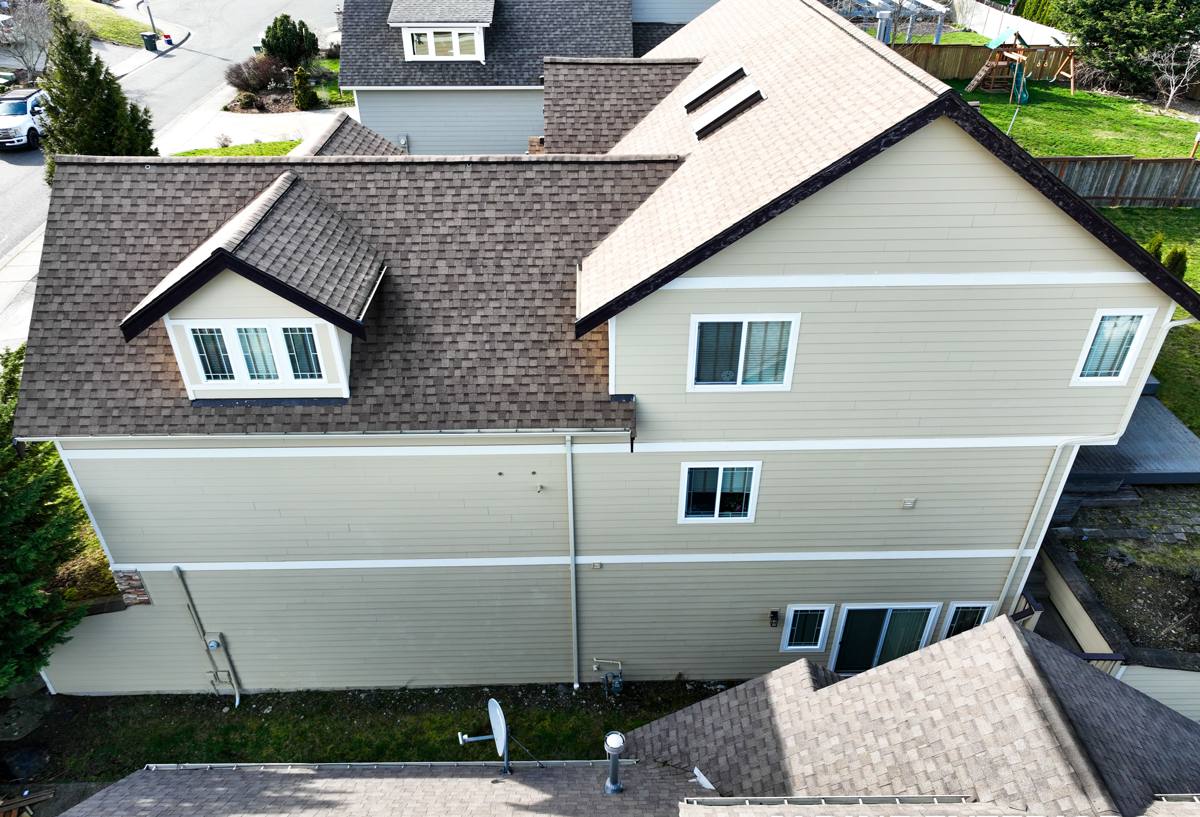
What Storm Damage Actually Looks Like
Not all storm damage announces itself with a hole in the roof. Some of the most expensive damage is the kind homeowners don't notice until it's already caused a secondary problem indoors.
Visible damage
- Missing, cracked, or curled shingles, especially near ridges, edges, and valleys
- Lifted or torn flashing around chimneys, vents, and skylights
- Dented or dislodged roof vents and boots
- Debris impact marks or punctures from wind-blown branches, patio furniture, or roof mounted equipment
- Sagging sections, which can indicate deck damage underneath
Damage that hides
- Wind-driven rain forced up under shingle tabs or lapped flashing during the storm, not from a visible break in the roof surface
- Fastener backout from repeated wind flex, which loosens shingles without removing them
- Underlayment tears beneath intact-looking shingles
- Slow leaks that show up as a ceiling stain or musty smell weeks after the storm has passed
This is why a proper storm damage inspection isn't just a walk-around from the ground with binoculars. It involves getting on or over the roof, checking the attic side for water intrusion, and looking at flashing details up close — the places where roofs actually fail.
Why Waiting Costs More Than the Repair
A roof with storm damage isn't a static problem. Every rain event after the storm pushes more water through whatever opening the wind created, and Florida's humidity means trapped moisture in a deck or attic space turns into rot, mold, or insulation damage within days, not months. A repair that would have cost a few hundred dollars right after the storm can turn into a deck replacement or interior drywall and mold remediation job if it sits through two or three more rain events.
There's also an insurance timing issue. Most policies expect damage to be reported and documented promptly. Damage that's allowed to compound — a small leak that becomes a collapsed section of ceiling — is harder to tie cleanly back to the original storm date, which can complicate a claim.
Our Storm Damage Repair Process
1. Inspection and documentation
We inspect the full roof system — surface, flashing, penetrations, and attic where accessible — and document what we find with photos and a written scope. This record is what you hand to your insurance adjuster, and it's also what protects you if damage is disputed later.
2. Emergency dry-in, if needed
If a storm has left an active leak or an open section of roof, stopping water intrusion comes first. Temporary tarping or dry-in work protects the interior of the home while the permanent repair is scoped and, if applicable, approved through insurance.
3. Repair scope and material match
We identify exactly what needs to be replaced versus what's still sound, and we source materials that match your existing roof as closely as possible in profile and, where feasible, color. A patch that doesn't match isn't just a cosmetic issue — mismatched materials can shed water differently and create a new weak point.
4. Repair and re-inspection
We complete the repair, then check the work against the areas we originally flagged, including a look at flashing and fastening details specific to open-water wind exposure. A repair that only addresses the obvious damage and ignores the underlying cause of that damage tends to fail again in the next storm.
Repair or Replace? What Actually Drives That Decision
Not every storm-damaged roof needs a full replacement, and not every roof that "looks fine" from the street is a good repair candidate. The honest answer depends on a few concrete factors.
| Factor | Favors repair | Favors replacement |
|---|---|---|
| Age of roof | Under 10-12 years, otherwise sound | Near or past typical service life for the material |
| Extent of damage | Isolated section (single slope, one flashing detail) | Multiple sections, or damage found across the whole roof |
| Deck condition | Deck is dry and structurally sound | Deck shows rot, soft spots, or repeated past water intrusion |
| Material availability | Existing shingle or material is still in production and matchable | Material discontinued, patch would visibly mismatch |
| Insurance findings | Adjuster scopes a covered repair | Adjuster scopes full slope or full roof replacement |
We'll tell you plainly which side of that table your roof falls on. If a repair is the honest answer, that's what we'll recommend and price — we don't push a replacement a roof doesn't need.
Coastal Conditions and Material Choices
Because Belleair Beach roofs deal with more salt air and wind exposure than most inland Pinellas County neighborhoods, the small details in a repair matter more here. Fasteners that corrode faster in salt air, flashing seams that need to be sealed with material rated for constant UV and moisture cycling, and underlayment that can handle wind-driven rain intrusion at the edges are all things we account for as standard practice on this stretch of coast, not as an upcharge or afterthought.
We also pay attention to how a repair integrates with your home's existing wind mitigation features, where they exist. A repair that's done to code but ignores how the surrounding roof was originally secured can undercut wind mitigation credits on your insurance policy, which is a real cost most homeowners don't think about until renewal.
Working With Your Insurance Claim
Storm damage repair almost always intersects with an insurance claim, and the process goes smoother when the documentation is solid from the start. We provide a written, photo-backed scope of damage that adjusters can work from, and we're available to walk the roof with an adjuster if that's useful to your claim. We don't handle the claim itself — that's between you and your insurer — but we make sure the roofing side of that conversation is backed by an accurate, professional record instead of guesswork.
After a Storm: A Practical Checklist
- Photograph any visible roof, gutter, or exterior damage from the ground as soon as it's safe to do so
- Check attic spaces or upper closets for new water stains, damp insulation, or a musty smell
- Avoid climbing onto the roof yourself, especially with wind-loosened shingles or debris still present
- Cover active leaks temporarily with a tarp only if you can do so safely, otherwise call for emergency dry-in
- Contact your insurer to open a claim and get a claim number before extensive repairs begin
- Get a written inspection and repair scope from a contractor before agreeing to any work
- Keep receipts and documentation for any temporary protective measures you pay for out of pocket
Why a Crew That Already Works Belleair Beach Matters
A contractor who works this barrier island regularly already understands the access realities — bridge and causeway access that can be affected by storm conditions, the tighter lot layouts common on the island, and the specific wear patterns that come with direct Gulf exposure versus roofs a few miles inland in Largo proper. That local familiarity shows up in small but real ways: knowing which flashing details tend to fail first on open-water-facing roofs, and not having to relearn permitting and access logistics for the area during an already stressful post-storm week.
It also matters for response time. After a widespread storm, roofing crews get pulled in every direction across Pinellas County. A crew that already has a presence in and around Belleair Beach can prioritize an active leak here instead of treating it as an unfamiliar out-of-territory call.
Get a Straight Answer About Your Roof
If your Belleair Beach home took wind or rain damage in a recent storm, or you're just not sure whether what you're seeing on the roof needs attention, we're happy to take a look. The estimate is free, there's no pressure to sign anything on the spot, and you'll get a plain explanation of what we find and what it would take to fix it. Fill out the form below to get started.