 Largo Siding
 New-Construction Windows Built for a Barrier Island
Belleair Beach sits on a narrow strip of land between the Gulf of Mexico and the Intracoastal Waterway, which means every new-construction window installed there is doing a harder job than the same window would do a few miles inland. Whether we're working alongside a builder on a new home or handling the window package for a room addition or full rebuild, we treat these installs differently from day one — because the site conditions are different from day one. Getting the windows right at the framing stage saves the homeowner years of leaks, fogged glass, and premature failures down the road.
This page covers what new-construction windows specifically need to hold up in Belleair Beach and greater Pinellas County, what a correct installation actually involves, and how our process works when we're brought in during a build.
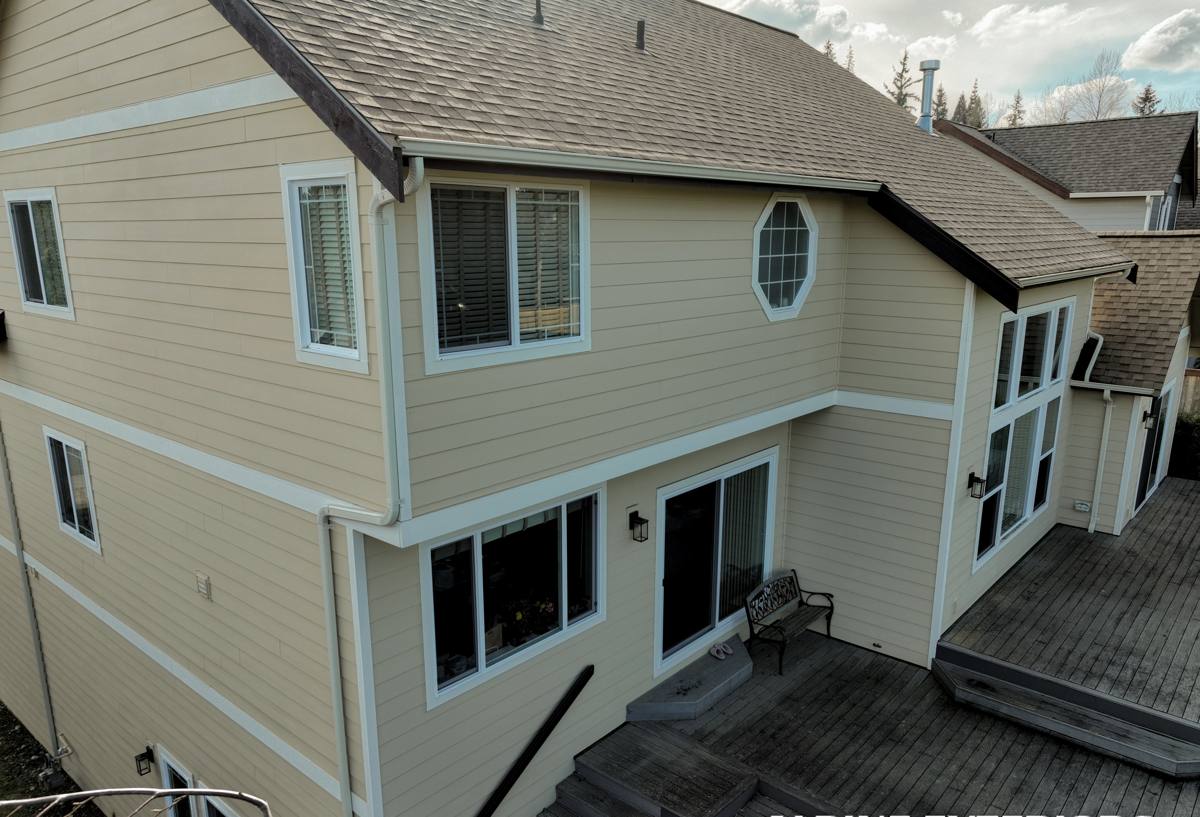
What Belleair Beach's Climate Does to Windows Over Time
A window on a barrier island faces a combination of stresses that inland windows rarely see all at once:
- Hurricane-force wind and pressure cycling — even storms that don't make direct landfall push sustained high winds and pressure swings against window assemblies, testing the frame, the anchoring, and the glazing seal.
- Wind-driven rain — rain doesn't just fall here, it's often driven sideways into the building envelope, which means flashing and sealant details around the window opening matter as much as the window itself.
- Intense, near-constant UV exposure — Florida sun breaks down inferior vinyl, degrades sealants, and fades interior finishes faster than in most of the country.
- Salt air — airborne salt corrodes untreated metal hardware, fasteners, and some frame finishes over time, which is a bigger factor this close to the water than it is even a few miles east in Largo.
None of this means new construction in Belleair Beach is a problem — it means the window products and installation details have to be chosen and executed with those conditions in mind, not just picked from a catalog for looks and price.
Florida Code Requirements for New Construction Windows Here
Wind-Borne Debris Region
Pinellas County's coastal communities, including barrier island towns like Belleair Beach, fall within the wind-borne debris provisions of the Florida Building Code. In practical terms, that means new windows generally need to be impact-rated (or paired with an approved protective system) rather than standard non-impact glass. The exact design pressure requirement for a given lot is determined during the permitting process, based on the site's location and exposure — it's not a one-size-fits-all number, which is why we don't quote wind ratings off the top of our head before pulling the actual permit requirements for the address.
Florida Product Approval
Every window installed under a Florida building permit needs a valid Florida Product Approval (or Miami-Dade NOA where applicable) documenting that it passed wind and impact testing for its rated use. This paperwork isn't optional — it's part of what the building department checks before signing off on the install, and it's what protects the homeowner if a warranty or insurance question ever comes up later.
Energy Code Compliance
Florida's energy code sets limits on U-factor and solar heat gain coefficient (SHGC) for windows, since keeping heat and UV load out is a real cost factor here. New construction gives us the advantage of specifying the right glass package up front, rather than retrofitting for efficiency later.
What a Correct New-Construction Window Installation Involves
New-construction windows are installed differently from replacement windows — they go in before the exterior finish is complete, which is actually the best time to get the details right, because nothing is hidden behind existing siding or trim yet.
The details that actually determine long-term performance
- Rough opening prep — openings are checked for square, level, and correct dimensions before the window ever goes in. A rushed opening is where most future leaks start.
- Weather-resistive barrier integration — the house wrap or building paper has to be sequenced correctly with the window flashing (shingle-style, so water always sheds outward and downward) rather than just taped on afterward.
- Flashing at the head, jambs, and sill — this is the single biggest factor in whether wind-driven rain stays out or finds its way into the wall cavity over time.
- Proper anchoring — impact-rated windows are only as strong as their attachment to the framing. Fastener type, spacing, and embedment all have to match the product's tested installation instructions, not a generic standard.
- Sealant selection and placement — the right sealant in the right joint, not just a bead of caulk wherever there's a gap.
- Shimming and squaring — a window that's slightly racked in the opening will bind, leak, or stress the glazing seal early.
Skipping or rushing any one of these doesn't usually show up on day one. It shows up two or three years later as a soft spot in the wall, a fogged insulated glass unit, or a window that won't latch properly anymore — and by then it's a repair job instead of a five-minute fix.
Choosing the Right Frame and Glass for This Location
There's no single "best" window for every project — the right choice depends on the home's exposure, the budget, and how close the lot sits to open water. Here's how the common options compare for a Belleair Beach build:
| Frame Material | Salt Air Behavior | Typical Trade-Offs |
|---|---|---|
| Vinyl (impact-rated) | Does not corrode; good baseline choice for most builds | Frame color/finish options are more limited than aluminum; heat expansion needs correct install tolerances |
| Aluminum (impact-rated) | Strong and slim sightlines, but needs a quality marine-grade finish to resist pitting near the coast | Higher cost; finish quality varies a lot by manufacturer, which matters more here than inland |
| Fiberglass | Very stable and corrosion-resistant | Higher upfront cost; fewer stock size and color options in some product lines |
Whatever the frame, we specify laminated impact glass rated for the site's required design pressure, and we pay attention to hardware finish — stainless or coated components hold up far better than standard hardware once salt air gets into the mix. We don't push one brand across every job; we match the product line to the wind zone, the builder's spec, and the homeowner's budget, and we're upfront about where a cheaper option will cost more in maintenance down the road.
How Our New-Construction Process Works
1. Coordination with the Builder or Homeowner
We review the plans, the window schedule, and the permit's wind design pressures before ordering anything. On a new build, timing matters — windows need to be ready when the framing crew is ready for dry-in, not weeks later.
2. Product Selection and Ordering
We confirm Florida Product Approval numbers match the required design pressure for that specific lot, then order the frame material, glass package, and finish that fit the project.
3. Installation
Our crew handles rough opening prep, flashing integration with the WRB, anchoring per the manufacturer's tested installation instructions, and sealant work — in that order, with each step checked before moving to the next.
4. Inspection Readiness
New construction windows in Pinellas County get inspected as part of the building permit process. We install to the standard that passes inspection the first time, because a failed inspection on window install delays every trade behind it.
Why a Crew That Already Works Belleair Beach Matters
A contractor who mostly works inland projects can install a technically fine window and still get it wrong for a barrier island site — because the failure points are different here. A crew that regularly works Belleair Beach and the surrounding Pinellas County coastline already knows:
- What wind design pressures typically get required at permitting for coastal-facing versus Intracoastal-facing lots, so there are fewer surprises mid-project.
- Which hardware finishes actually hold up to salt air here versus which ones look fine in the showroom and pit within a couple of years.
- How local building departments want flashing and product approval documentation presented, which keeps inspections moving instead of stalling.
- The realities of building on a barrier island — tighter lot access, coordinating around tide and weather windows, and material staging on a narrow site.
That local experience doesn't show up as a line item on a quote, but it's the difference between windows that perform for decades and windows that need attention again in a few years.
A Homeowner's Checklist for New Construction Windows
If you're building new or adding on in Belleair Beach, here's what's worth confirming before windows go in:
- Ask what design wind pressure the permit requires for your specific lot — don't assume it's the same as a project a mile away.
- Confirm the Florida Product Approval numbers on your window quote actually match that required pressure rating.
- Ask how flashing will be sequenced with your house wrap or building paper before the exterior finish goes on.
- Ask about hardware finish, not just frame color — this is where salt air damage shows up first.
- Get the SHGC and U-factor numbers for your glass package and make sure they meet Florida's energy code for your project.
- Confirm who is responsible for scheduling the window inspection with the building department, and when it happens relative to your other trades.
Cost Factors to Expect
New construction window costs vary widely based on count, size, frame material, and glass package. Rather than quote a number that won't reflect your actual project, here are the factors that move the price most:
| Factor | Effect on Cost |
|---|---|
| Number and size of openings | Largest single driver — more glass and larger units cost more, straightforwardly |
| Frame material | Vinyl is typically the most budget-friendly; aluminum and fiberglass run higher |
| Required design pressure rating | Higher-rated impact glass and heavier-duty anchoring hardware add cost on coastal-facing exposures |
| Custom shapes or sizes | Non-standard sizes and shapes (arches, oversized openings) cost more than stock sizes |
| Coordination complexity | Projects requiring tight scheduling with a general contractor's framing timeline can add logistics cost |
We give an honest, project-specific quote once we know the window schedule and required ratings — not a generic per-window price that won't hold up once the actual permit requirements are in hand.
If you're building new or adding on in Belleair Beach and want windows installed to hold up to the coast rather than just pass an inspection, we're glad to take a look at your plans and walk the site. Reach out for a free, no-pressure estimate using the form below.