 Largo Siding
 Siding on a Barrier Island Is a Different Job
Belleair Beach sits on a narrow strip of land between the Intracoastal Waterway and the Gulf of Mexico, which means almost every home there faces some degree of direct coastal exposure. That's a different environment than siding installed a few miles inland in Largo proper. Salt-laden air moves across the island constantly, humidity stays high year-round, and there's little in the way of tree cover or windbreaks to slow down storm winds before they hit a wall. Siding here doesn't get a break — it works every day of the year.
We install fiber cement siding throughout Pinellas County, but Belleair Beach jobs get planned differently from the start. Fastener spacing, flashing details, and even which side of the house gets extra attention all shift based on how close a home sits to the water and which direction it faces. A siding job that would hold up fine in a sheltered inland neighborhood can fail early on a barrier island if it's not built for that exposure.
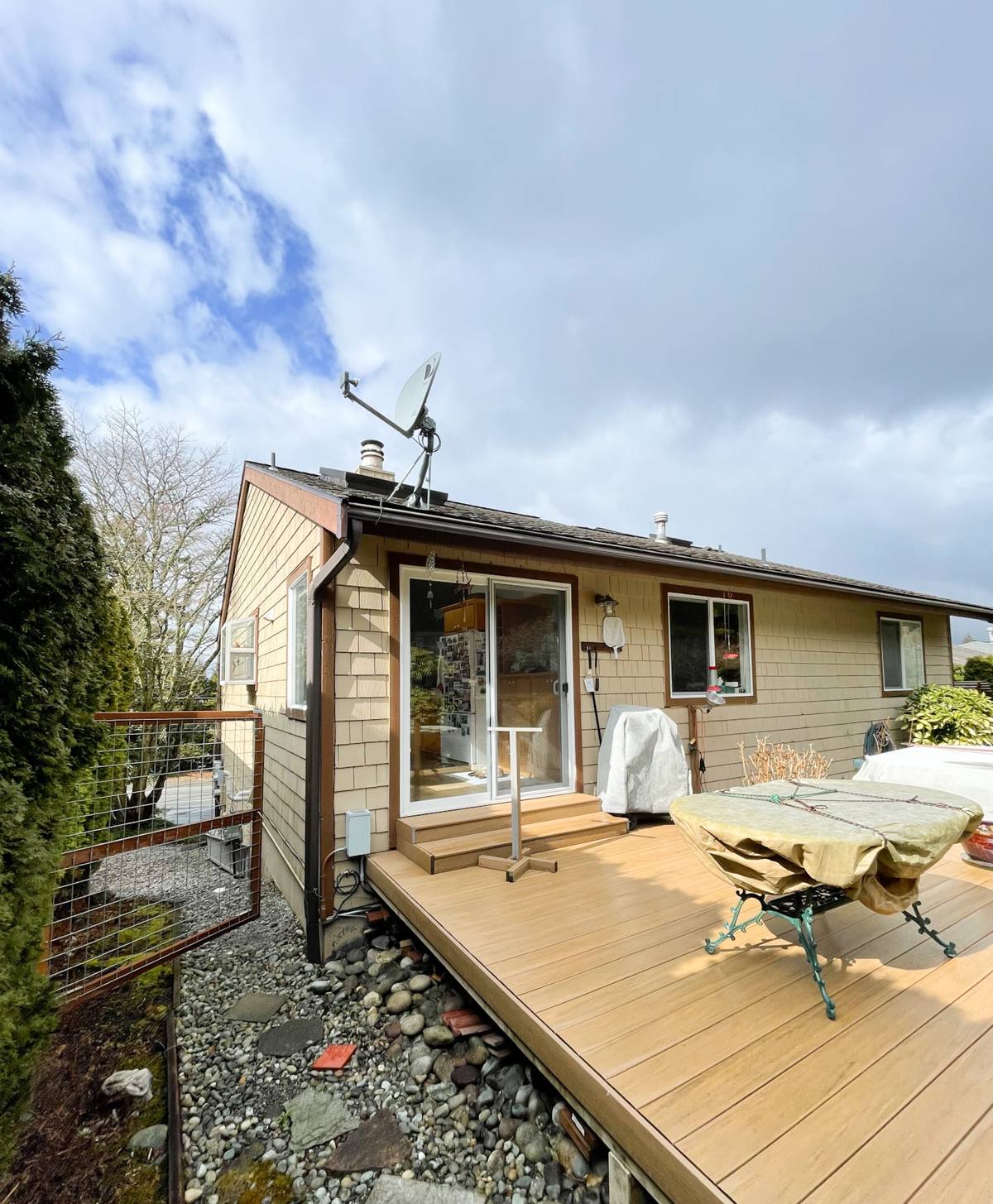
What the Coastal Climate Actually Does to Siding
Wind and Wind-Driven Rain
Hurricane-force and near-hurricane winds are a real possibility for any storm that tracks through the Tampa Bay area, and Belleair Beach gets the wind first, with nothing between the Gulf and the house to slow it down. Wind alone is a fastening and structural problem. Wind-driven rain is a moisture problem — it gets pushed sideways and upward, past standard water management details that work fine in ordinary rain. Siding, trim, and flashing all have to be installed with that upward and sideways pressure in mind, not just gravity.
Salt Air and Corrosion
Salt in the air settles on every exterior surface, including fasteners, flashing, and trim. Over years, salt exposure accelerates corrosion on anything that isn't rated for it and can degrade paint films and caulks faster than in non-coastal areas. This is one of the biggest reasons product choice and fastener choice matter more here than almost anywhere else in the county.
UV Exposure
Florida sun is intense nearly every month of the year, and a Gulf-facing home gets that sun with no filtering from inland humidity haze or tree canopy. UV breaks down pigments and finishes over time, which is why factory-applied, baked-on finishes hold their color dramatically longer than field-applied paint on most siding materials.
Why We Only Install James Hardie Fiber Cement
We made a deliberate decision years ago to install James Hardie fiber cement exclusively — not vinyl, not LP SmartSide, not Cemplank, not Allura, not primed wood. That's not a marketing position; it's a standard we hold because of what we've seen happen to other materials in exactly this kind of coastal environment.
Vinyl siding can deform in high heat and is more vulnerable to wind uplift at its attachment points than fiber cement. Engineered wood products, however well made, still rely on wood fiber that can be sensitive to sustained moisture exposure if a seam or cut edge isn't sealed correctly — a real risk on a site where wind-driven rain is common. Fiber cement is non-combustible, doesn't rot, and doesn't provide a food source for pests. For a barrier-island home taking on wind, salt, rain, and UV simultaneously, we consider fiber cement the more defensible long-term choice, and James Hardie is the manufacturer whose product line, engineering data, and factory finish system we trust most to back that up.
Built for This Climate Zone
James Hardie engineers its siding by climate zone rather than shipping one product everywhere, and the HZ5 line is formulated for hot, humid, storm-exposed regions like the Gulf Coast of Florida. That includes moisture and impact resistance suited to high-humidity, high-UV, storm-prone conditions. Just as important as the substrate is the ColorPlus finish — a factory-applied, baked-on finish that resists fading and chipping far better than field-applied paint, which matters enormously on a home getting full, unfiltered coastal sun most of the year.
We also treat trim, soffit, and fascia as part of the same system rather than an afterthought. A wall can be perfectly clad and still leak or fail early if the trim details around windows, corners, and rooflines weren't built to shed wind-driven rain the same way the field siding was.
What a Correct Installation Actually Involves
Fiber cement siding is only as good as the installation behind it. A rushed or generic install can undercut even the best product. On a Belleair Beach home, we pay particular attention to:
- Manufacturer-specified fastener type, length, and spacing — tightened for higher wind exposure, not just the minimum code allows
- Corrosion-resistant fasteners and flashing appropriate for salt-air exposure
- Proper water-resistive barrier and correct lap/shingle-style flashing at every horizontal joint, window, and door
- Correct clearance between siding and grade, decks, roofing, and other surfaces to prevent trapped moisture
- Sealed and primed factory-cut edges wherever field cuts expose raw material
- Expansion gaps sized correctly at butt joints and trim so the material can move without cracking caulk lines prematurely
Skipping any one of these doesn't usually cause an immediate, visible problem — it shows up years later as a leak, a corroded fastener stain, or premature caulk failure, usually after the workmanship warranty window everyone forgot to check has already closed.
Our Process, Start to Finish
We keep the process straightforward and honest, and it starts with an in-person look at the house, not a phone estimate.
- On-site assessment: we walk the exterior, check the current siding and trim condition, note exposure direction, and look for any moisture or structural issues that need to be addressed before new siding goes on.
- Written estimate: a clear scope covering product line, color, trim details, and pricing — no vague allowances.
- Prep and tear-off: removal of existing siding, inspection and repair of sheathing where needed, and correct installation of the water-resistive barrier.
- Installation: Hardie panel, plank, or shingle installed to manufacturer spec, with flashing, fasteners, and clearances built for this specific site's exposure.
- Trim, caulk, and final detailing: the finishing work that determines how the job actually performs in wind-driven rain.
- Final walkthrough: we go over the finished work with the homeowner before calling the job done.
What Affects the Cost of a Belleair Beach Siding Job
Every home is different, so we don't publish blanket prices, but these are the main factors that move a fiber cement job up or down in cost on the island:
| Factor | Why It Matters Here |
|---|---|
| House size and wall complexity | More corners, dormers, and roof intersections mean more flashing and trim detail work |
| Product line and profile | Lap, shingle, and panel styles carry different material and labor costs |
| Substrate condition | Water-damaged or rotted sheathing found during tear-off has to be repaired before new siding goes on |
| Trim and accessory scope | Full trim replacement versus reusing sound existing trim changes both cost and long-term performance |
| Access and site conditions | Narrow lots, seawalls, and limited staging space common on the island can affect labor time |
Signs Your Siding Needs Attention
On a barrier-island home, problems tend to show up earlier than an inland house of the same age. Worth checking for periodically:
- Caulk lines that are cracked, shrunk, or pulling away at trim and window edges
- Visible fastener corrosion staining bleeding through the finish
- Soft spots, bubbling, or discoloration near the base of walls or around window and door trim
- Faded or chalking finish, especially on Gulf-facing elevations
- Gaps or separation at panel seams and corners
None of these mean a full replacement is automatically necessary, but they're worth a professional look before they turn into a sheathing or framing repair.
Why Local Experience on the Island Matters
A crew that mainly works inland neighborhoods can install fiber cement correctly by the book and still miss the details that matter specifically on a barrier island — the extra flashing attention on a Gulf-facing wall, the fastener upgrade that's worth it in salt air, the trim detail that keeps wind-driven rain out during the next named storm. We work homes throughout Belleair Beach and the surrounding Pinellas County coastline regularly enough to know which details aren't optional here, even when they'd be fine to skip a few miles inland.
If you're weighing a siding replacement or repair for a Belleair Beach home, we're happy to take a look and walk you through what your house specifically needs — no pressure, no generic sales pitch. Request a free estimate below and we'll get a time on the calendar.