 Largo Siding
 Windows Built for a Barrier Island, Not Just a Florida Address
Treasure Island sits right on the Gulf, and that location changes what a window has to survive. Homes here deal with a combination most inland properties never see at the same intensity: sustained salt-laden humidity, wind-driven rain that gets pushed sideways during storms, intense UV exposure nearly every day of the year, and the real possibility of hurricane-force wind loads. A window that performs fine in a subdivision ten miles inland can fail years early on a barrier island lot, and the failure usually isn't dramatic — it's a slow decline in seals, hardware, and frame integrity that homeowners don't notice until a window won't latch right or fogs up between the panes.
Largo Siding Company installs windows throughout Pinellas County, and Treasure Island is one of the areas where we spend the most time thinking about coastal-specific details before the first window ever goes in the opening. This page covers what that actually means: what the climate demands, what correct installation involves, how our process works, and what to look for whether you hire us or someone else.
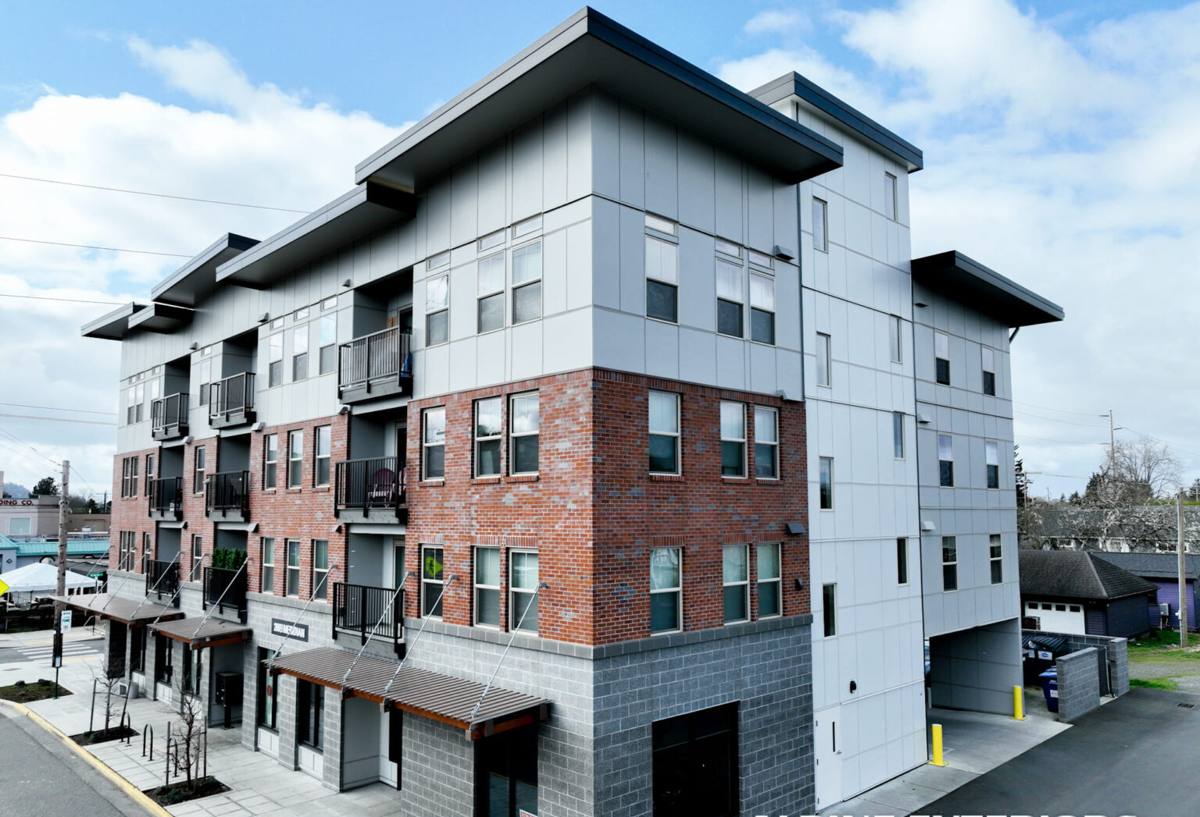
What Salt Air, UV, and Wind Actually Do to a Window Over Time
Salt Air
Airborne salt is corrosive to metal hardware — hinges, locks, cranks, and especially aluminum or steel components that aren't rated for coastal exposure. It also degrades certain sealants and gaskets faster than inland conditions would, which is how a window that was watertight at installation starts weeping air or moisture five or six years later.
UV Exposure
Florida's sun is hard on vinyl frames, weatherstripping, and low-E coatings. Lower-grade vinyl can chalk, warp, or become brittle with years of direct exposure, and gaskets that aren't UV-stabilized lose their flexibility and stop sealing properly. This matters more on west- and south-facing exposures, which is most Gulf-front and near-Gulf property in this area.
Wind and Wind-Driven Rain
The building code concern is obvious — wind load and impact resistance. But the quieter issue is wind-driven rain, which finds any gap in flashing or sealant and pushes water into the wall cavity even when the window itself never breaks. Most water intrusion problems we find in older coastal homes trace back to how the window was flashed and sealed at install, not a defect in the window unit itself.
Florida Building Code and What It Means for a Treasure Island Home
Pinellas County falls within Florida's High-Velocity Hurricane Zone influence area, and most replacement and new-construction window work here needs to meet current Florida Building Code wind-load and impact requirements for the specific address's wind zone. In practice, that usually means one of two approaches:
- Impact-rated windows — laminated glass designed to resist wind-borne debris and stay intact under pressure, meeting large- and small-missile impact standards without separate shutters.
- Non-impact windows paired with code-compliant shutters or protection — a lower upfront cost but requires the homeowner to actually deploy protection ahead of every storm.
We pull permits and confirm the design pressure requirements for your specific property before recommending a window line, because wind zone and exposure category can vary block to block this close to the water. We don't guess on this — it's checked against the local code requirement for your address, not a generic "hurricane window" label.
Frame Material: What Holds Up on a Barrier Island
| Frame Material | Coastal Performance | Maintenance | Typical Fit |
|---|---|---|---|
| Vinyl (coastal-rated) | Good — won't rust or corrode; quality varies by manufacturer | Low — occasional cleaning | Most common choice for Treasure Island homes; best value |
| Aluminum (marine-grade, properly finished) | Strong structurally, but needs a real coastal finish to resist corrosion | Moderate — finish needs monitoring over time | Larger openings, impact configurations, some architectural styles |
| Fiberglass | Excellent — very stable in heat and salt exposure, low expansion/contraction | Low | Higher upfront cost, long service life |
| Wood / wood-clad | Poor without heavy maintenance in this climate | High — frequent refinishing needed | We generally steer clients away from unclad wood this close to the Gulf |
We don't install unclad wood frames on Gulf-facing or near-Gulf homes as a matter of professional standard — not because wood windows are bad products in general, but because the maintenance burden and moisture sensitivity in this specific climate make them a poor long-term fit for most Treasure Island properties. Vinyl and fiberglass, both built to coastal-rated specifications, are what we recommend for the large majority of jobs here.
What Correct Installation Actually Involves
The window unit itself is maybe half the job. The other half — flashing, sealant, fastening, and shimming — is what determines whether that window is still performing correctly in ten years. Here's what our installation covers on every job:
- Opening inspection. We check the existing rough opening for rot, prior water damage, or out-of-square framing before setting a new window. Coastal homes, especially older ones, sometimes have hidden moisture damage around openings that needs to be addressed first.
- Flashing and drainage plane. Proper flashing tape and a correctly lapped drainage path direct any water that gets past the window back outside the wall — this is the single most common point of failure we find in poorly done coastal installs.
- Shimming and leveling. The window is shimmed plumb, level, and square so it operates correctly and the seal around the perimeter is uniform, not stretched thin on one side.
- Fastening to manufacturer and code spec. Impact-rated and high-wind-zone windows have specific fastener type, spacing, and embedment requirements — this is what the design pressure rating actually depends on, not just the glass.
- Sealant selection. We use sealants rated for exterior, UV, and salt exposure, not general-purpose caulk that will crack and fail within a couple of seasons in this climate.
- Interior and exterior trim-out. Finish work is completed and the opening is cleaned and inspected before we consider the job done.
Signs Your Current Windows Are Already Struggling
- Fogging or a milky look between panes (failed seal on double-pane glass)
- Windows that are hard to open, close, or lock — swollen frames or corroded hardware
- Visible daylight or a draft around the frame when closed
- Soft or discolored drywall, trim, or sill area near the window
- A noticeable rise in energy bills without another explanation
- Chalky, brittle, or warped vinyl frames on sun-facing walls
Our Process, Start to Finish
We keep the process straightforward and try not to leave homeowners guessing about what happens next:
- Free on-site estimate. We look at your existing windows, openings, and exposure, and talk through what's actually needed versus optional.
- Product selection. We walk through frame material, glass package, and impact vs. non-impact options based on your home's wind zone, budget, and priorities.
- Permitting. We handle the permit application and inspection scheduling required for window work in Pinellas County.
- Installation. Most homes are done in a matter of days, not weeks, depending on window count and any opening repairs needed.
- Final inspection and walkthrough. We confirm everything operates correctly and passes the required inspection before calling the job complete.
Cost Factors for Treasure Island Window Projects
Every home is different, so we don't quote broad per-window prices without seeing the job, but the main variables that move cost up or down are consistent across most projects:
| Factor | Effect on Cost |
|---|---|
| Impact-rated vs. non-impact glass | Impact glass costs more upfront but removes the need for separate storm protection |
| Frame material (vinyl vs. fiberglass vs. aluminum) | Fiberglass typically costs more than coastal-rated vinyl; aluminum varies by configuration |
| Opening condition | Rot or framing repair needed behind an old window adds labor and material cost |
| Window size and configuration | Large openings, sliders, or custom shapes cost more than standard single/double-hung sizes |
| Number of windows | Whole-home replacement typically has a lower per-window cost than a few at a time |
| Permitting and inspection | Included in most quotes, but complexity varies by scope of work |
Why It Matters That We Already Work in This Area
A crew that installs windows across a range of inland Florida neighborhoods can still do competent work, but a crew that regularly works Treasure Island and the surrounding barrier island communities already knows the specific wind zone requirements, the typical opening conditions in the local housing stock, and which products actually hold up in this level of salt exposure versus which ones look fine on a spec sheet but underperform here. That local familiarity shows up in fewer surprises mid-project and fewer callbacks after the fact.
It also matters for permitting — we're used to working with Pinellas County's process for coastal window replacement, which keeps projects moving instead of stalling on paperwork.
Living With New Windows in a Coastal Climate
Even a well-installed, coastal-rated window benefits from basic upkeep in this environment. Rinsing salt residue off frames and hardware periodically, checking that weep holes stay clear of debris, and keeping an eye on sealant lines for early cracking will extend the life of the installation well beyond doing nothing. We'll walk you through what to watch for on your specific product line at the end of the job.
Get a Straightforward, No-Pressure Estimate
If your windows are original to the house, showing wear, or you're just planning ahead of the next storm season, we're happy to come take a look and give you an honest read on what your home actually needs — no upsell, no pressure. Use the form below to request a free estimate for window installation on your Treasure Island property.