 Largo Siding
 St. Petersburg's Climate Is Hard on Siding — Here's What That Means for Your Home
Homes in St. Petersburg sit in one of the toughest siding environments in the country. You're close enough to the water to catch salt-laden air on a regular breeze, exposed to some of the most intense year-round UV in the continental U.S., and squarely in a hurricane wind zone that demands real structural performance from your exterior — not just a good-looking product. Add in wind-driven rain that gets pushed sideways into wall assemblies during summer storms, and it's easy to see why so many Pinellas County homes go through siding failures well before they should. This page covers what St. Petersburg homes specifically need from their siding, what a correct James Hardie installation looks like, and why hiring a crew that already works this area — not just any siding company — makes a real difference. We're a Largo-based crew that installs James Hardie fiber cement siding exclusively, and this page focuses specifically on what that means for a St. Petersburg property.
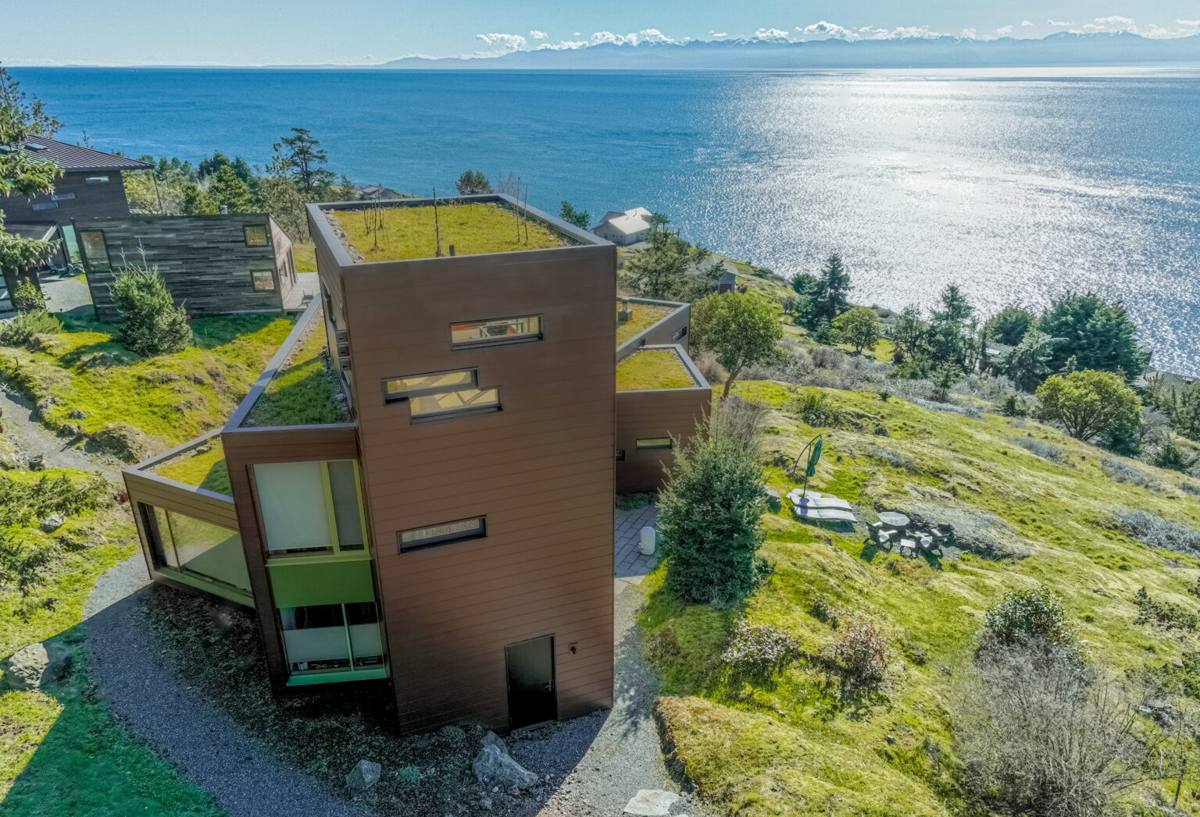
What Coastal Pinellas County Weather Does to the Wrong Siding
Wind and Storm Pressure
Hurricane and tropical storm winds don't just push against siding — they create suction and pressure cycles that work fasteners loose, flex panels, and find any gap in the installation. Siding that isn't rated and fastened for the local wind zone can lift, crack, or blow off outright, and once one section fails, wind-driven rain has a direct path into the wall.
UV Exposure, Nearly Year-Round
Florida sun is relentless. Lower-grade siding materials and field-applied paint jobs fade, chalk, and become brittle under UV load far faster here than in northern climates. That shows up as color mismatch, cracking at the surface, and a paint job that needs redoing every few years instead of holding for a decade or more.
Wind-Driven Rain and Moisture Intrusion
St. Petersburg's storms don't fall straight down — they get driven sideways into walls, seams, and trim joints. Siding systems that rely on caulk alone, or that trap moisture behind the panel instead of managing it, set up conditions for rot, mold, and hidden sheathing damage long before anything looks wrong from the curb.
Salt Air and Corrosion
Even a few miles inland, salt carried on Gulf breezes settles on exterior surfaces and accelerates corrosion of fasteners, trim, and any metal components in the siding system. Materials and hardware that aren't suited for a coastal-influenced environment corrode and stain faster, and that undermines the whole assembly over time.
Why We Install Only James Hardie Fiber Cement in This Area
We standardized on James Hardie siding — and only James Hardie — because it's engineered specifically for climates like this one. It's non-combustible, dimensionally stable in heat and humidity, and backed by a product line built for exactly the wind, moisture, and UV conditions St. Petersburg homes deal with every year.
Built for the Zone: HZ5 Panels
James Hardie manufactures region-specific formulations, and homes in our part of Florida call for the HZ5 product line, engineered for high-humidity, high-moisture climates. It resists moisture-related expansion and contains algae- and mold-resistant treatments that matter in a climate where things stay warm and wet for much of the year.
ColorPlus Technology: Finish That Doesn't Rely on Field-Painting
Most of the color options we install use James Hardie's ColorPlus finish — baked on in a controlled factory process rather than applied on-site. That finish is formulated to resist UV fading far longer than field-applied paint, which matters enormously under Florida sun, and it comes backed by its own finish warranty separate from the substrate warranty.
What a Correct Installation Actually Involves
James Hardie siding performs the way it's designed to only when it's installed to the manufacturer's specification — and in a hurricane wind zone, that spec isn't optional. A rushed or generic installation is one of the most common reasons fiber cement siding underperforms. Here's what we hold every St. Petersburg job to:
- Fastener type, length, and spacing matched to the specific wind zone and substrate — not a generic pattern
- Proper clearance between the siding's bottom edge and grade, roofing, decks, and other horizontal surfaces
- A continuous weather-resistant barrier installed behind the siding, with all penetrations properly flashed
- Correctly lapped and sealed joints, using sealants rated for the panel material and Florida's temperature swings
- Butt joints, corners, and trim treated per manufacturer detail — not just caulked and hoped for
- Ventilation and drainage planes maintained so incidental moisture can escape instead of getting trapped
- Final inspection against James Hardie's published installation instructions before the job is called done
James Hardie Product Lines — Which Fits Your St. Petersburg Home
James Hardie isn't a single product — it's a system of siding, trim, and soffit options. Most St. Petersburg homes end up using a combination, matched to the home's style and exposure.
| Product | Best Use | Look |
|---|---|---|
| HardiePlank Lap Siding | Primary wall cladding on most single-family homes | Traditional horizontal lap, smooth or woodgrain texture |
| HardieShingle | Accent areas, gables, coastal-style architecture | Staggered or straight-edge shingle profile |
| HardiePanel | Modern facades, porch ceilings, accent walls | Vertical panel with batten options |
| HardieTrim | Corners, window and door surrounds, fascia | Clean, paintable trim boards |
Fiber Cement vs. the Alternatives: Why We Don't Install Vinyl or LP SmartSide Here
We get asked regularly why we don't offer vinyl siding or engineered wood products like LP SmartSide alongside James Hardie. It comes down to how each material actually performs under St. Petersburg's specific combination of wind, sun, and moisture — not brand preference.
| Factor | James Hardie Fiber Cement | Vinyl Siding | Engineered Wood (LP SmartSide) |
|---|---|---|---|
| Wind/impact resistance | Rigid, engineered for HZ5 wind zones | Can crack or blow off in high wind; brittle in cold | Solid, but seams and edges are moisture-sensitive under wind-driven rain |
| Moisture behavior | Engineered to resist moisture-related swelling | Doesn't rot, but traps moisture behind panels if not detailed correctly | Wood-based core can swell or delaminate if moisture gets past the coating |
| UV/fade resistance | ColorPlus factory finish resists fading | Fades and chalks under prolonged Florida sun | Coating requires diligent maintenance to prevent UV degradation |
| Fire performance | Non-combustible | Combustible, can melt or deform near heat sources | Combustible wood-based product |
| Long-term maintenance | Low; occasional caulk/paint touch-up on trim | Low, but limited repair options once damaged | Requires ongoing coating maintenance to protect the substrate |
Vinyl and engineered wood both have legitimate uses in other climates, and neither is a bad product on its own terms. But given what we see fail on Pinellas County homes — heat-warped vinyl, moisture-compromised wood-based panels, storm-damaged seams — we made the call to install only the product line engineered for this exact environment.
What James Hardie's Warranty Means for Your Investment
James Hardie backs its siding with a limited, transferable warranty that covers manufacturing defects in the substrate, and the ColorPlus finish carries its own separate warranty against fading, chipping, and cracking of the factory finish. That two-part structure matters in a climate like this one: it's not just a claim that the siding lasts a long time, it's a documented remedy if the material itself fails to perform. If you sell the home, that coverage can transfer to the next owner instead of resetting to zero, which is worth something at resale. We'll walk you through exactly what's covered, what depends on correct installation, and what you'd need to do to keep the warranty intact, since a warranty is only as strong as the install it's attached to.
Our Process for St. Petersburg Installations
Every job follows the same disciplined sequence, whether it's a full re-side or a partial replacement after storm damage.
- On-site assessment of the existing siding, substrate condition, and any moisture or rot already present
- Careful tear-off with substrate inspection — sheathing repairs happen before anything new goes up
- Installation of a continuous weather-resistant barrier and correct flashing at every penetration and transition
- James Hardie HZ5 panels installed to manufacturer spec and local wind-zone fastening requirements
- Trim, corners, and joints finished and sealed with coastal-rated materials
- Final walkthrough against the manufacturer's installation checklist before we call the job complete
Why Local Experience Serving St. Petersburg Matters
A crew that regularly works St. Petersburg and the rest of Pinellas County already knows the local wind-zone requirements, the permitting process, and the way salt air and humidity behave against a wall assembly here. That's different from a crew that mainly works inland climates and treats every coastal job as a one-off. That includes knowing how the local building department reviews wind-load and fastening details on a siding permit, and being ready to work around HOA or deed-restriction requirements that show up in a number of St. Petersburg neighborhoods. We're based in Largo, we work this immediate area continually, and that familiarity shows up in the details — correct fastening for the wind zone, flashing that accounts for wind-driven rain, and product choices that hold their finish under this much sun.
Caring for Your James Hardie Siding in a Coastal Climate
James Hardie siding installed correctly is genuinely low-maintenance, but "low" isn't "none," especially this close to the Gulf. A periodic rinse helps clear salt residue before it accumulates. It's worth a yearly look at caulked joints and trim paint, since those are the components most exposed to UV and moisture cycling. Keeping gutters and drainage clear also matters — even the best siding system performs worse if water is pooling against the wall instead of draining away.
If you're weighing a siding replacement or repair for your St. Petersburg home, we're happy to take a look. We'll walk your property, point out anything the sun, wind, or moisture has already gotten into, and give you a straightforward assessment of what your siding actually needs — no pressure, no scare tactics, just what we'd tell a neighbor. Reach out for a free, no-pressure estimate using the form below.