 Largo Siding
 Why Indian Rocks Beach Siding Takes a Different Approach
Indian Rocks Beach sits on a narrow barrier island between the Gulf of Mexico and the Intracoastal Waterway, which means every home here is exposed to a combination of stresses that inland Pinellas County houses simply don't deal with in the same combination. Salt-laden air moves through the community constantly, not just on windy days. Summer sun is intense and nearly year-round, breaking down pigments and surface coatings faster than in milder climates. Wind-driven rain during tropical systems and even routine summer thunderstorms pushes water sideways into wall assemblies, not just down. And when a hurricane or tropical storm does approach, homes on this stretch of coast take the brunt of sustained wind loads that inland neighborhoods are partially shielded from.
None of that is unique to any one house — it's the baseline condition for every home in this community. What that means practically is that siding installed here has to be selected and installed with those four stresses in mind from day one, not treated as an afterthought. A siding job that would hold up fine in a sheltered inland subdivision can fail years early on the island if it's not built for salt exposure, UV load, wind-driven moisture, and storm wind pressure all at once.
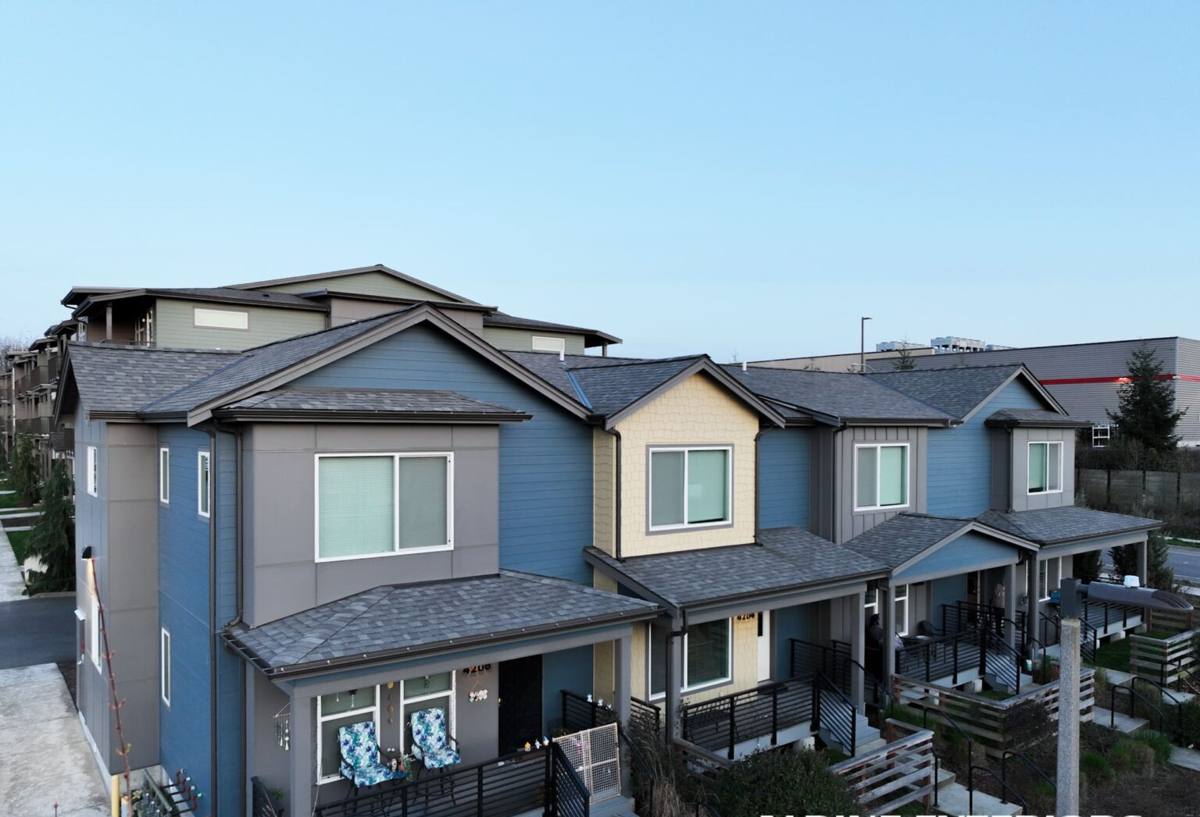
What a Correct Siding Installation Actually Involves
Siding is a system, not a single product nailed to a wall. The board or panel is the visible part, but the work that determines whether it lasts is mostly hidden once the job is done. On a coastal property, getting the hidden parts right matters more, not less.
Water Management Comes First
Before any siding goes up, the wall needs a properly lapped weather-resistant barrier, correctly integrated flashing at every window, door, and penetration, and drainage details that let any water that gets behind the cladding find its way back out. Wind-driven rain will find gaps in a water management plan that would never be tested in a calmer climate. This is the step that's easiest to rush and most expensive to fix later, because by the time a homeowner notices a problem, it's usually inside the wall.
Fastening for Wind, Not Just for Looks
Fastener type, spacing, and placement all change based on wind exposure category, and a home a few blocks from the Gulf carries a different wind load requirement than one further inland. Correct fastening isn't just about code compliance on paper — it's the difference between siding that stays put through a tropical storm and siding that peels off in the first serious blow.
Joints, Caulking, and Trim Details
Every seam, corner, and trim joint is a potential entry point for water and salt-laden moisture. The caulking products used, the gap sizes left for material movement, and the sequencing of trim installation all affect how the assembly performs over years of expansion, contraction, and coastal humidity — not just how it looks on installation day.
Installation Checklist We Hold Ourselves To
- Weather-resistant barrier installed and lapped correctly, shingle-style, with no reverse laps
- Flashing integrated at every window, door, and wall penetration before siding starts
- Fastener type and spacing matched to the home's specific wind exposure
- Manufacturer-specified gaps maintained at butt joints and trim for material movement
- Starter strips, corners, and trim installed plumb and level before field panels go up
- All cut edges properly sealed or primed per manufacturer requirements
- Site cleanup includes magnetic sweep for stray fasteners and full debris removal
Why We Install Only James Hardie Fiber Cement on This Coast
We made a deliberate decision to install one siding system — James Hardie fiber cement — and to turn down jobs that call for vinyl, LP SmartSide, or other engineered wood products. That's not a marketing position, it's a practical one built around what actually holds up under salt air, intense UV, and wind-driven rain year after year.
Fiber cement is non-combustible, which matters in a state where wildfire isn't the main concern but ember and heat exposure from other sources still is. More relevant to a barrier island property, Hardie's HZ10 product line is engineered specifically for hot, humid climates like the Gulf Coast, with a moisture and mold resistance formulation suited to exactly the conditions Indian Rocks Beach homes face daily. The factory-applied ColorPlus finish is baked on under controlled conditions and backed by a real, transferable finish warranty — it's built to resist the fading that constant Florida UV exposure causes in field-applied paint. Fiber cement also doesn't have the moisture-driven swelling, softening at cut edges, or seam gapping that engineered wood products can develop if any detail in the installation or maintenance falls short over time, which is a real risk in a climate this humid and this exposed to wind-driven rain.
That's the honest trade-off: fiber cement is heavier and more labor-intensive to install correctly than vinyl or engineered wood, and it costs more upfront. We accept that trade-off because the alternative, on a coastal property, is a maintenance burden and a shorter realistic service life. We'd rather install one product correctly than install several products with a range of asterisks attached.
How Siding Materials Actually Perform on This Coast
| Factor | Vinyl Siding | Engineered Wood (LP-Type) | James Hardie Fiber Cement |
|---|---|---|---|
| Salt air / corrosion resistance | Doesn't corrode, but can become brittle and discolor faster in salt air | Vulnerable if moisture reaches the substrate | Cement-based, unaffected by salt exposure itself |
| UV / fade resistance | Can fade and chalk over time; color is molded-in only | Field paint fades and needs repainting on a set cycle | Factory ColorPlus finish engineered for UV, backed by finish warranty |
| Wind-driven rain / moisture behavior | Can warp or buckle; seams are a water entry risk | Sensitive to moisture at cut edges and seams if maintenance lapses | Moisture-resistant formulation designed for humid climates |
| Wind performance in storms | Lower impact and wind resistance; can crack or blow off panels | Reasonable wind performance when installed correctly | Strong wind performance when installed to manufacturer spec |
| Fire behavior | Combustible | Combustible | Non-combustible |
Every material on this table can be installed acceptably by the right crew in the right setting. On a barrier island with year-round salt air, intense UV, and hurricane-season wind and rain, we've simply concluded that fiber cement gives homeowners the best long-term balance of durability, appearance retention, and warranty support — which is why it's the only system we put on a house.
Our Process for an Indian Rocks Beach Installation
Assessment and Wind-Load Planning
We start by walking the property and assessing the home's specific exposure — proximity to open water, height, surrounding structures, and existing wall condition. This determines the fastening schedule and flashing details before we ever order material, rather than defaulting to a generic inland spec.
Permitting for Pinellas County and Local Wind Zones
Coastal construction in this part of Pinellas County involves wind-load and building code requirements that a crew unfamiliar with the area can easily underestimate. We handle permitting with those specifics built in from the start, so inspections aren't a scramble at the end of the job.
Tear-Off, Substrate Check, and Water Management Install
Old siding comes off, and the substrate underneath gets inspected for hidden moisture damage before anything new goes on — a step that matters more on a coastal home than an inland one, since trapped moisture behind old siding is more common near the water. Weather barrier and flashing go in next, correctly lapped and integrated at every opening.
Hardie Installation and Finish Detailing
Panels or lap siding go up to manufacturer spec for this wind exposure, with trim, corners, and caulking detailed to hold up against sun and salt exposure for years, not just look right on installation day.
Final Walkthrough and Cleanup
We walk the finished job with the homeowner, and cleanup includes a full debris and fastener sweep of the property — beach communities in particular don't need stray construction debris ending up in yards or storm drains near the water.
Why Hiring a Crew That Already Works This Coastline Matters
A siding crew that mostly works inland subdivisions can install a technically fine product and still get it wrong for a barrier island home, simply because the failure modes are different here. Knowing which wind exposure category applies block by block, understanding how salt air affects fastener and trim material choices, and having already worked through Pinellas County's coastal permitting requirements aren't things you pick up on a first job in a new area — they're things a crew builds by working this coastline repeatedly.
That local familiarity also shows up in smaller ways: knowing how HOA or community aesthetic guidelines tend to run in Indian Rocks Beach, understanding realistic project timing around the local storm season, and being able to talk through material choices with a homeowner in specific, honest terms rather than generic sales language. It's the difference between a crew that installs siding and a crew that installs siding correctly for this exact environment.
Maintaining Hardie Siding in a Salt-Air Environment
Fiber cement is low-maintenance, not no-maintenance, and coastal exposure means a few habits are worth keeping up with. Rinsing the exterior periodically helps clear salt residue before it accumulates, particularly on Gulf-facing walls. Keeping an eye on caulking at trim joints and penetrations lets small gaps get resealed before wind-driven rain finds them. And a visual check after any major storm — looking for loose panels, damaged trim, or fastener issues — catches problems while they're still a small repair rather than a bigger one. None of this is heavy upkeep; it's the same kind of periodic attention any coastal home's exterior deserves, and it's considerably less than what vinyl or wood-based products typically require in this climate.
Signs Your Current Siding Needs Attention
- Visible warping, buckling, or gaps at seams, especially after storm season
- Soft spots, discoloration, or bubbling that suggest moisture behind the siding
- Chalking, heavy fading, or color loss from years of direct sun exposure
- Cracked, brittle, or missing sections after wind events
- Visible rust streaking from fasteners or trim hardware
- Caulking that's cracked, shrunk, or pulled away from joints and trim
If any of that sounds familiar, it's worth having someone look at it before the next storm season rather than after. If you're weighing a siding replacement for a home in Indian Rocks Beach, we're happy to take a look and talk through what your specific property needs — there's a free, no-pressure estimate available through the form below.