 Largo Siding
 Siding Installation Built for Dunedin and Largo's Gulf Coast Exposure
Homes in Dunedin and the surrounding Largo area sit close enough to the water that the siding on the outside wall is doing real work every single day. It's not just a cosmetic layer. It's the thing standing between your framing and hurricane-force wind gusts, sideways rain during a summer squall, months of unbroken UV exposure, and a steady drift of salt-laden air coming off the Gulf. A siding installation that isn't specified and installed with that exposure in mind will look fine for a year or two and then start showing problems — and by the time you can see them from the street, they've usually been developing behind the surface for a while.
This page is about one job, done right, in one area: full siding installation for houses in Dunedin and Largo. Not a general overview of siding — the specific decisions, materials, and installation details that matter for homes in this part of Pinellas County.
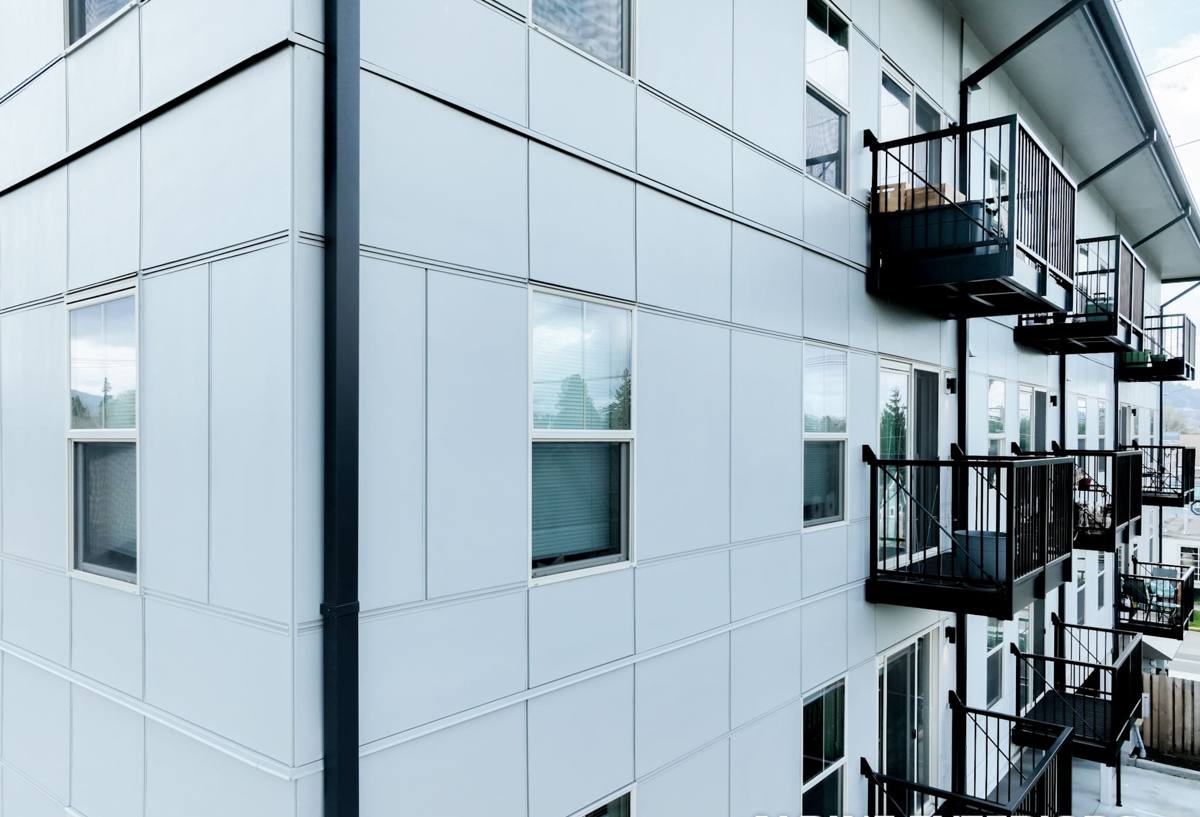
What Pinellas County Climate Actually Does to Siding
Wind Load and Storm Exposure
Dunedin and Largo sit within Florida's High-Velocity Hurricane Zone influence area, which means wind design isn't optional — it's coded into how siding has to be fastened, lapped, and terminated at corners and openings. Wind doesn't just push on a wall; it creates negative pressure that tries to pull siding off the substrate from behind. A fastening schedule that's fine in a low-wind inland state will underperform here.
Intense, Nearly Year-Round UV
Central Florida's sun angle and clear-sky days mean siding faces heavy UV exposure most months of the year, not just in summer. Paint film breaks down faster, colors fade unevenly on sun-facing elevations, and materials that expand and contract with heat cycling put ongoing stress on caulk joints and fasteners.
Salt Air and Coastal Moisture
Being close to Gulf waters means airborne salt settles on exterior surfaces and accelerates corrosion of exposed fasteners and metal trim. It also means the air itself carries more moisture, which affects how quickly assemblies dry out after a rain event.
Wind-Driven Rain Intrusion
Florida rain rarely falls straight down during a storm — it comes in sideways, driven by wind, and finds any gap in flashing, lapping, or sealant. Most of the siding failures we get called out to inspect in this area trace back to water finding a path in during wind-driven rain, not to the siding material itself failing outright.
Why We Install Only James Hardie Fiber Cement Siding
We made a deliberate decision to install one product system on every home we side: James Hardie fiber cement, specifically the HardieZone HZ5 formulation engineered for humid, high-moisture climates like ours. We don't install vinyl, LP SmartSide engineered wood, or other fiber cement brands — not because those products have no place in the industry, but because after years of working on Gulf Coast homes, this is the standard we're willing to put our name behind.
A few reasons this matters specifically in Dunedin and Largo:
- Non-combustible material — fiber cement doesn't feed a fire the way wood-based siding can, which matters for insurance underwriting as much as safety.
- Won't rot or absorb water damage the way engineered wood can — in a climate with this much humidity and rain exposure, moisture resistance is a structural decision, not an aesthetic one.
- ColorPlus factory-applied finish — baked-on color that resists the UV fading and chalking that field-applied paint struggles with under Florida sun.
- Engineered for this exact climate — the HZ5 formulation is built specifically for high-humidity, moisture-heavy regions, unlike a one-size-fits-all national product.
- Strong transferable warranty — backed by a manufacturer with decades of track record, which matters if you sell the home before the siding's service life is up.
What a Correct Siding Installation Actually Involves
The siding panel itself is maybe 30% of what determines how well a job performs. The rest is in details most homeowners never see once the job is finished.
Tear-Off and Substrate Inspection
We remove the old siding down to the sheathing and actually look at what's underneath — soft spots, old water staining, or rot around windows and corners get addressed before anything new goes up. Covering up a compromised substrate is the single most common shortcut that causes early failure.
Weather-Resistant Barrier
A correctly lapped, sealed water-resistive barrier goes over the sheathing before any siding is hung. This is the layer that actually stops wind-driven rain that gets past the siding surface — the siding sheds most of the water, but the barrier behind it is what protects the wall assembly.
Flashing at Every Penetration
Windows, doors, hose bibs, vents, and light fixtures are all places where water looks for a way in. Proper flashing — installed in the correct order relative to the barrier and siding — is non-negotiable on a coastal-exposure home.
Fastening Schedule for Wind Zone
Nail size, spacing, and placement are specified to meet local wind uplift requirements, not just manufacturer minimums. This is where a lot of underbid jobs cut corners because it's invisible once the siding is up.
Starter Strips, Corners, and Trim
Clean, level starter courses and properly integrated corner and trim details aren't just about appearance — a sloppy starter course throws off every course above it and can create small gaps that let water track behind the panels.
Sealant Strategy
Fiber cement siding is designed to perform with minimal reliance on caulk, but the joints that do need sealant get the right product, applied correctly, in the joints where movement and water exposure demand it.
Our Process, Start to Finish
- On-site assessment — we walk the exterior, check the substrate where accessible, and measure for material takeoff.
- Written estimate — a clear scope covering tear-off, substrate repair allowances, materials, and installation, with no vague line items.
- Material order — James Hardie panels, trim, and ColorPlus color selection ordered to spec for the job.
- Tear-off and substrate repair — old siding removed, sheathing inspected and repaired as needed before covering anything.
- Barrier, flashing, and installation — water-resistive barrier, flashing at every penetration, then siding installed to the fastening schedule this wind zone requires.
- Final walkthrough — we go around the house with you before calling the job done, not just handing you an invoice.
What Siding Installation Costs Depend On
We don't publish blanket pricing because two homes with the same square footage can be very different jobs. What actually moves the number:
| Cost Factor | Why It Matters |
|---|---|
| Tear-off vs. new construction | Removing and disposing of old siding adds labor and dump fees an existing bare-wall job doesn't have |
| Substrate condition | Rot or water damage found during tear-off requires repair before new siding goes on, which isn't visible in an initial estimate |
| Home shape and trim complexity | Multiple gables, dormers, and trim details take more labor per square foot than a simple rectangular elevation |
| Siding profile chosen | Lap siding, shingle-style panels, and board-and-batten each have different material and labor costs |
| Accessory work | Soffit, fascia, trim replacement, and window flashing repairs are often bundled into a full siding job |
| Story height and access | Second-story and hard-to-access walls require more scaffolding and labor time |
We'll walk through exactly which of these apply to your home before giving you a number — not after the job has started.
Why Hiring a Crew That Already Works in Dunedin Matters
Siding installation isn't the same job in every part of the country, and it isn't even the same job everywhere in Florida. A crew that regularly works Pinellas County homes already understands the local wind zone requirements, knows what permitting officials expect to see on inspection, and has seen firsthand what happens to siding that wasn't installed with salt air and storm exposure in mind. That's not something you can fully substitute with a generic national installer working from a standard spec sheet.
Before hiring anyone for a siding job in this area, it's worth asking a few direct questions:
- Are you licensed and insured to do exterior work in Pinellas County?
- What fastening schedule do you use, and is it matched to our wind zone?
- Will you inspect and repair the substrate before installing new siding, or install over what's there?
- What water-resistive barrier and flashing details do you use at windows and doors?
- Is the warranty from the manufacturer transferable if I sell the home?
- Can you show me the manufacturer certification for the product you're installing?
Maintenance After a Correct Installation
One advantage of James Hardie fiber cement with a ColorPlus finish is that ongoing maintenance is lighter than most alternatives — no repainting cycle every few years, no risk of moisture swelling at cut edges the way engineered wood can experience. That said, a yearly rinse to clear off salt residue and a visual check of caulk joints and trim after storm season are worth doing on any home in this area, regardless of siding material. Catching a small gap or a loose piece of trim early is a lot cheaper than dealing with water damage behind the wall a year later.
If your current siding is showing soft spots, visible gaps, peeling paint, or you're just ready for an upgrade that's actually built for what Dunedin and Largo weather puts it through, we're happy to come take a look. The estimate is free, there's no pressure, and you'll get a straight answer about what your home actually needs — fill out the form below to get started.