 Largo Siding
 Siding Built for Seminole's Specific Climate Load
Seminole sits close enough to the Gulf that salt air is a daily fact of life, not an occasional nuisance. Add in Pinellas County's summer humidity, near-constant UV exposure, and the wind-driven rain that comes with every tropical system that brushes this coast, and you have a climate that is genuinely hard on exterior building materials. Siding here doesn't just need to look good on install day — it needs to hold its seal, its color, and its shape through years of that combination.
This page is about one job done right in one area: James Hardie fiber cement siding installed on homes in and around Seminole. We don't install vinyl, LP SmartSide, primed wood, or other fiber cement brands. We install James Hardie, and we install it the way Hardie's own engineering specs call for, because in this climate the installation details matter as much as the product itself.
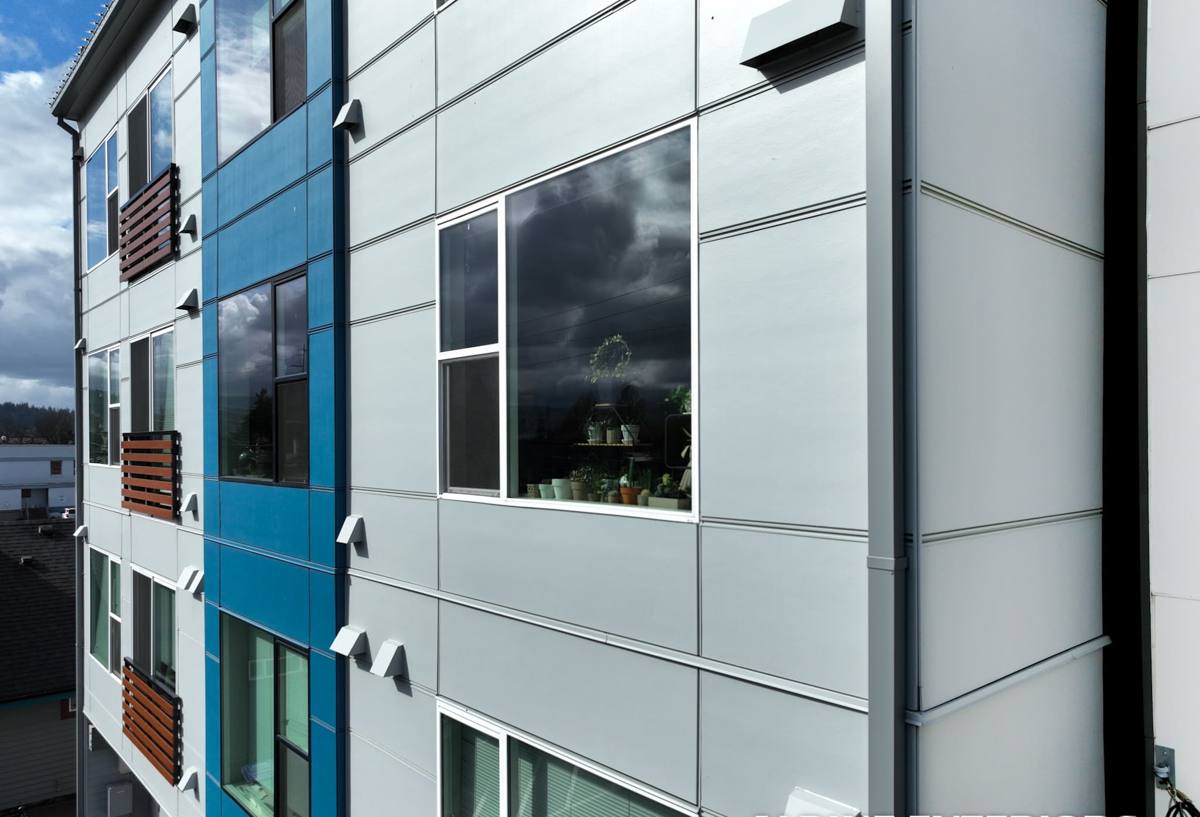
What Local Homes Actually Need From Their Siding
A siding system in Seminole is fighting on three fronts at once, and a correct job has to answer all three:
- Wind resistance: Pinellas County sits in a High-Velocity Hurricane Zone influence area, and even homes outside the strictest wind-borne debris lines need siding fastened and flashed to withstand sustained hurricane-force gusts, not just everyday breeze.
- UV stability: Florida sun breaks down pigments and coatings faster than almost anywhere else in the country. Paint-grade siding fades, chalks, and needs repainting on a short cycle unless the color is baked into the product itself.
- Moisture and salt management: Wind-driven rain pushes water sideways into laps and seams, and salt air accelerates corrosion on fasteners and trim. A siding system has to shed that water and use hardware that won't rust out from underneath the surface.
James Hardie's HZ10 product line was engineered specifically for high-humidity, high-UV, hurricane-prone climates like this one — it's not a marketing label, it's a specific formulation and testing standard aimed at exactly the conditions Seminole homes deal with.
Why Salt Air Changes the Calculation
Salt air is corrosive to standard fasteners, uncoated metal flashing, and cheaper trim hardware. Homes closer to the water see this show up first — streaking, rust bleed at nail heads, and premature failure of anything not rated for coastal exposure. Every fastener and flashing detail on a correctly installed Hardie job in this area should be corrosion-resistant by spec, not by hope.
James Hardie Product Lines That Fit Seminole Homes
Hardie makes several distinct product lines, and picking the right one for a given home's style and exposure matters more than most homeowners realize.
| Product | Best Use | Why It Fits Seminole |
|---|---|---|
| HardiePlank lap siding | Most single-family homes | Traditional look, factory-baked ColorPlus finish resists UV fade better than field-painted siding |
| HardiePanel vertical siding | Accent walls, gables, modern facades | Clean lines, holds up well on exposed elevations that take direct wind-driven rain |
| HardieShingle | Coastal/cottage-style homes | Textured look popular in Gulf Coast neighborhoods, still carries Hardie's fiber cement durability |
| HardieTrim | Corners, fascia, window/door surrounds | Matches the siding's moisture and UV resistance so trim doesn't fail before the field siding does |
For most Seminole homes we're specifying HardiePlank in a ColorPlus finish as the field siding, with HardieTrim boards to match. The ColorPlus finish is baked on at the factory under conditions no field paint job can replicate, and it comes with its own finish warranty separate from the substrate warranty — a meaningful difference in a climate that eats paint jobs alive.
What a Correct Installation Actually Involves
Fiber cement siding is only as good as the installation underneath it. The product itself is engineered for this climate; a rushed or generic install can undo that engineering. A correct job on a Seminole home includes:
- Full tear-off and inspection of the existing wall assembly — not siding over siding
- Repair of any water-damaged sheathing found underneath before anything new goes up
- Correctly lapped, weather-resistant house wrap with all seams taped
- Proper flashing at every window, door, and roofline penetration so wind-driven rain has nowhere to enter
- Correct fastener spacing, type, and depth per Hardie's published installation specs
- Manufacturer-specified clearances from roofing, decks, and grade so the bottom edge of the siding never sits in standing water or trapped moisture
- Caulking and sealing only at the joints Hardie's spec actually calls for — over-caulking traps moisture just as badly as under-caulking lets it in
Every one of those steps exists because something in this specific climate will find the weak point if you skip it. Wind-driven rain finds bad flashing. Salt air finds the wrong fastener. UV finds the field-painted patch. None of it is optional here the way it might be in a drier, calmer climate.
Where Corners Get Cut — And What It Costs You Later
Because fiber cement siding looks similar whether it's installed correctly or not, a bad install often doesn't show itself for a year or two. By the time it does, the fix is more expensive than the original job would have been.
| Corner Cut | What Happens in Seminole's Climate |
|---|---|
| Installing directly over old siding without tear-off | Hidden moisture and rot continue underneath, undetected until siding starts separating from the wall |
| Wrong or missing flashing at windows | Wind-driven rain during storm season enters the wall cavity, causing interior damage before any exterior sign appears |
| Standard fasteners instead of corrosion-resistant ones | Rust streaking and fastener failure show up years earlier near the coast than they would inland |
| Field-painting instead of ColorPlus finish | Visible fading and chalking within a few Florida summers, requiring repainting the manufacturer's finish never needed |
| No clearance from grade or roofline | Bottom courses stay damp longer after every rain, accelerating any weak point in the install |
Our Process for Seminole Homes
Because we've worked in this immediate area, we already know the practical realities that come with it — Pinellas County permitting requirements, the wind-zone rating a given block typically falls under, and the moisture issues that tend to show up in homes of a certain age in this part of the county. That local familiarity shortens the guesswork on every step below.
- On-site assessment: we walk the exterior, check for existing moisture or rot, and note anything specific to the home's age, orientation, and exposure to prevailing wind and rain direction.
- Written estimate: product line, color, trim details, and scope spelled out plainly — no vague allowances.
- Tear-off and substrate check: old siding comes off, sheathing gets inspected, and any damage gets repaired before new material goes up.
- House wrap and flashing: the moisture barrier goes in correctly, with every penetration flashed before siding covers it.
- Hardie installation: fastened, spaced, and clearanced to Hardie's published specifications for this climate zone.
- Final walkthrough: we go over the finished job with you before calling it done.
Why Hiring a Crew That Already Works This Area Matters
Siding installation isn't uniform across Florida. A crew that mostly works inland jobs may not think twice about a flashing detail that's non-negotiable a mile from the Gulf. A crew that's used to Seminole and the surrounding Largo-area neighborhoods already knows:
- Which wind-zone requirements typically apply to homes in this part of Pinellas County
- What moisture and substrate issues tend to show up in homes of a certain age here
- Which flashing and fastener details are worth the extra time given the salt air exposure
- How to sequence a job around Florida's rain patterns so open walls aren't left exposed longer than necessary
None of that is exotic knowledge, but it only comes from actually doing the work here repeatedly. A generic install crew can hang siding on any house in the country. A crew that knows this specific coastline installs it so it actually holds up here.
Living With James Hardie Siding on the Gulf Coast
One of the practical advantages of fiber cement in this climate is how little it asks of you afterward. It doesn't need repainting on the short cycle that wood or field-painted siding does here, it won't warp or rot the way wood can when it takes on moisture, and it isn't a target for the insects that thrive in Florida's humidity. Periodic rinsing to clear salt residue and pollen, and keeping an eye on caulked joints over time, is about the extent of routine upkeep.
James Hardie backs the product with a non-prorated limited warranty on the substrate and a separate finish warranty on ColorPlus color, and both are transferable if you sell the home — worth mentioning to a future buyer, since it signals the siding was installed to a documented standard rather than however was fastest.
A Quick Checklist Before You Hire Anyone
- Ask what siding was torn off versus installed over — get it in writing
- Ask which Hardie product line and finish they're specifying, and why
- Ask what fastener type they use and whether it's corrosion-resistant for coastal exposure
- Ask how window and door flashing will be handled, specifically
- Ask what clearance they'll leave from grade, decks, and roofline
- Ask whether they carry manufacturer certification for Hardie installation
- Ask for the warranty terms in writing, including what voids them
If a contractor can't answer these plainly, that's worth noting before you sign anything.
If your Seminole home needs new siding, or you want a second opinion on a bid you've already gotten, we're happy to walk the exterior with you and put together a straightforward, no-pressure estimate. There's a form below this page whenever you're ready.