 Largo Siding
 Safety Harbor sits on the north shore of Old Tampa Bay, a short drive from Largo in Pinellas County, and that bay-side setting shapes what a siding installation actually needs to hold up here. Homes on or near the water take on salt-laden air and open wind exposure that inland Pinellas properties don't see at the same intensity, while the entire county shares the same intense year-round UV and hurricane-season wind-driven rain. Whether a Safety Harbor home is a few blocks off the water or set back further into a wooded, established neighborhood, the siding on it is doing more work than siding in a milder climate ever has to. This page covers what that means for a siding installation specifically — what the climate demands, what a correct job looks like, and why we install only James Hardie fiber cement on the homes we work on here.
Why Siding Installation in Safety Harbor Isn't a Generic Job
A lot of national guidance on siding installation assumes a moderate climate — some rain, some sun, occasional wind, long dry stretches to let materials recover between weather events. That's not Safety Harbor. Between hurricane season, the bay's humidity, and a sun angle that puts serious UV load on exterior surfaces most of the year, siding here is under near-constant stress with fewer breaks to recover than in most of the country. A siding job that would perform fine in a drier, calmer market can start showing problems within a few years in this one if it wasn't planned and installed with the local conditions in mind from the start.
That's true of material choice, and it's just as true of installation method. The same fiber cement product installed to spec on one house and installed loosely on another will age very differently once a few hurricane seasons have passed. We treat both halves of that equation — the product and the install — as equally important on every Safety Harbor job.
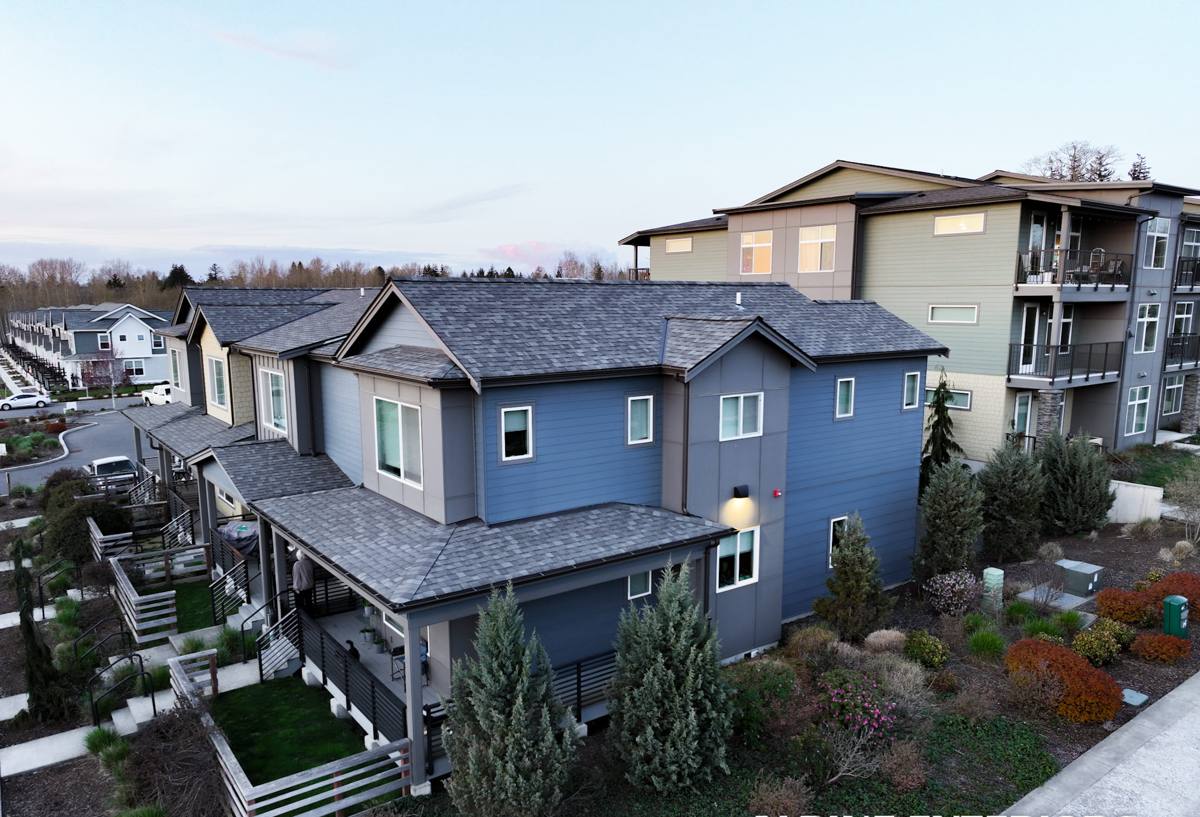
What the Regional Climate Actually Does to Siding
Hurricane-Force Wind
Pinellas County sits squarely in a wind zone that has to plan for hurricane-force gusts most years, not as a rare event. Wind doesn't just push against siding — it gets under panels and boards that aren't fastened and clearanced correctly, working joints loose and creating the first entry points for water. A siding system that's rated for the wind load but installed with the wrong fastener spacing or pattern doesn't actually deliver that rating in practice.
Intense, Year-Round UV
Florida's sun angle and long day length mean siding here absorbs far more cumulative UV exposure annually than siding in most of the country, and it doesn't get much of a seasonal break. On lower-quality paints and coatings, that UV load breaks down pigment and binders over time, which is why so many older homes show chalky, faded siding on their sun-facing walls years before the shaded side of the same house looks worn.
Wind-Driven Rain
Straight-down rain is easy for almost any siding to shed. Rain pushed sideways by sustained hurricane-force wind is a different problem — it finds its way into butt joints, fastener penetrations, and trim intersections that stay dry in a calm rain event. Over one or two storm seasons, homes with marginal flashing or aging caulk lines start showing water intrusion at exactly those spots, and that's usually where a siding failure actually begins, well before it's visible from the street.
Salt Air Off the Bay
Being on Old Tampa Bay means Safety Harbor homes deal with airborne salt as a daily, cumulative fact rather than an occasional one. Salt accelerates corrosion in exposed fasteners, trim, and flashing, and it can interact with lower-grade coatings and adhesives over years of exposure. It's slow and unglamorous compared to a storm event, but it's constantly working on a building envelope this close to the water, which is part of why fastener grade and finish quality matter more here than they would a good distance inland.
Why We Install Only James Hardie Fiber Cement
We get asked fairly often why we don't offer vinyl, LP SmartSide, Cemplank, Allura, or a primed wood or cedar option. The honest answer is that we made a standardization call based on what actually holds up under the conditions described above, and we'd rather install one product to a high standard than spread our crews across several and get uneven results.
- Non-combustible core: fiber cement doesn't add fuel to a fire the way wood-based siding products can, which matters for safety and often for insurance underwriting.
- Factory-applied ColorPlus finish: the color is baked on under controlled factory conditions instead of applied in the field, and it resists the fading and chalking that plain field-painted or site-finished siding shows under Florida sun.
- Climate-engineered product lines: Hardie builds specific formulations for high-humidity, high-moisture regions like ours, rather than a single generic product for every climate in the country.
- Dimensional stability: fiber cement doesn't swell, cup, or warp the way wood-fiber products can after repeated wetting in a climate that rarely gives materials a long dry stretch to recover.
- A strong, transferable warranty: Hardie backs its product with substantial warranty coverage, provided the installation follows their published specifications.
Vinyl, engineered wood, and other fiber cement brands all have a place in the market, and plenty of homeowners are satisfied with them in other settings. On a Safety Harbor property, though, we'd rather stand fully behind one system we trust than offer a cheaper alternative that quietly shifts long-term maintenance risk back onto the homeowner.
What a Correct Siding Installation Actually Involves
Tear-Off and Substrate Inspection
Once the old siding comes off, we inspect the sheathing underneath for rot, soft spots, or prior water damage before anything new goes up. Skipping this step is one of the most common ways a siding job looks fine on day one and fails within a few years — new siding over compromised sheathing just hides the problem instead of fixing it.
Water-Resistive Barrier and Flashing
A correctly installed water-resistive barrier and properly lapped flashing at every window, door, and roof-to-wall transition is what actually keeps wind-driven rain out of the wall assembly, not the siding surface itself. This is the step where most long-term siding failures actually originate if it's rushed or done out of sequence.
Fastening and Clearance
James Hardie publishes specific fastener type, spacing, and clearance requirements for our wind zone, and for good reason — get those wrong and the product won't perform the way it's engineered to in a hurricane-force gust. That includes proper clearance from grade, decks, and roof lines so moisture has somewhere to drain rather than wicking up into the bottom courses.
Joint Treatment and Finish
Cut ends need to be sealed, joints need to be treated to Hardie's spec rather than just caulked and left, and trim and corner details need to be finished in a way that sheds water instead of trapping it. These are the details that separate fiber cement that performs for decades from fiber cement that develops the same problems as a poorly installed product.
Quick Checklist for a Safety Harbor Siding Job
- Confirm the old siding is coming off, not just covered — you want the sheathing inspected, not hidden
- Ask what fastener type and spacing the crew is using and whether it matches our wind zone
- Confirm a proper water-resistive barrier and flashing plan is part of the scope, not an assumption
- Ask which James Hardie product line is being specified and why it fits your home
- Get the manufacturer warranty terms and the installer's own labor warranty in writing
- Confirm the contractor pulls their own permits and is familiar with Pinellas County wind code
Our Process for a Safety Harbor Siding Installation
- On-site inspection — we walk the exterior, check for soft spots and existing moisture issues, and evaluate the home's specific wind exposure
- Honest recommendation — which James Hardie product line fits the home and budget, explained plainly, with no upsell for its own sake
- Written scope and timeline — a clear, itemized plan before any contract is signed
- Tear-off and substrate repair — old siding removed, sheathing inspected, any rot or damage addressed before new material goes up
- Water-resistive barrier and flashing — installed and integrated at every window, door, and roof-to-wall transition
- Hardie siding installation — fastened, clearanced, and joint-treated to manufacturer spec and local wind code
- Final walkthrough — trim, caulking, and finish details reviewed with the homeowner before we call the job done
Signs a Safety Harbor Home May Need New Siding
- Paint that's chalking, fading unevenly, or peeling faster on sun-facing walls
- Soft or spongy spots when pressing on siding near windows, doors, or the bottom courses
- Visible gaps, warping, or buckling in panels, especially noticeable after storm season
- Rust streaks or corrosion developing around fasteners and trim
- Musty odors or staining on interior walls that back up to exterior siding
- Siding that's original to a home 20-plus years old with no documented replacement history
None of these signs mean a home needs full replacement immediately, but they're worth a professional look before the next storm season rather than after water has already worked its way into the sheathing and framing.
Siding Options Compared for This Climate
| Factor | Vinyl | Engineered Wood | James Hardie Fiber Cement |
|---|---|---|---|
| Performance in hurricane-force gusts | Can loosen or tear off in sustained high wind | Solid when fastened and sealed correctly | Rigid, mechanically fastened, engineered for local wind zones |
| Behavior under constant UV | Can fade and become brittle over years | Factory finish quality varies by product | Factory ColorPlus finish resists fading and chalking |
| Moisture and humidity tolerance | Doesn't rot, but traps humid air behind it | Wood-fiber core can swell if edge seal is compromised | Non-organic; doesn't swell, cup, or support rot |
| Salt air exposure | Generally stable; fasteners can corrode | Generally stable; fasteners can corrode | Generally stable; correct fastener spec matters most |
| Combustibility | Can soften or deform in extreme heat | Combustible, wood-based core | Non-combustible |
Why Hiring a Crew That Already Works Safety Harbor Matters
Manufacturer installation instructions are written for average conditions, and a bay-adjacent Pinellas County property rarely qualifies as average. A crew that hasn't worked this area regularly can still get the product spec right on paper and miss the details that actually keep water and wind out — how tight a fastener pattern needs to be for a specific wind exposure, how much extra attention a joint needs given constant salt and UV cycling, when a flashing detail needs to be built around a particular roof-to-wall condition rather than a generic template. Those are judgment calls made on the job site, not decisions a spec sheet makes automatically.
We work in and around Safety Harbor and the rest of Pinellas County regularly, which means we're not guessing at how the local wind zone, bay proximity, or housing stock tends to behave over time. That familiarity shows up in the small decisions during installation — the ones that end up deciding whether a siding job is still performing well after several hurricane seasons or starting to show problems within just a few years.
If you're weighing a siding replacement or new installation on a Safety Harbor home, it's worth having someone walk the exterior and give you an honest read before you start comparing quotes. We offer free, no-pressure estimates for siding installation in Safety Harbor and the surrounding Largo area — use the form below to get a time on the schedule.