 Largo Siding
 New Roof Installation for Safety Harbor Homes
Safety Harbor sits along Old Tampa Bay, which means homes here take on a specific mix of punishment that inland Pinellas County properties don't face quite the same way: near-constant humidity off the water, salt-laden air that eats at exposed metal and fasteners, and direct exposure to whatever wind a storm pushes up the bay. A roof that's rated for "Florida" in general isn't automatically rated for what a Safety Harbor roof actually deals with year after year. When we install a new roof here, we're building for that specific combination, not just checking a code box.
This page covers what a correct new roof installation looks like for a Safety Harbor home, what our crew actually does on site, and why local, hands-on experience in this part of Pinellas County matters more than it might seem.
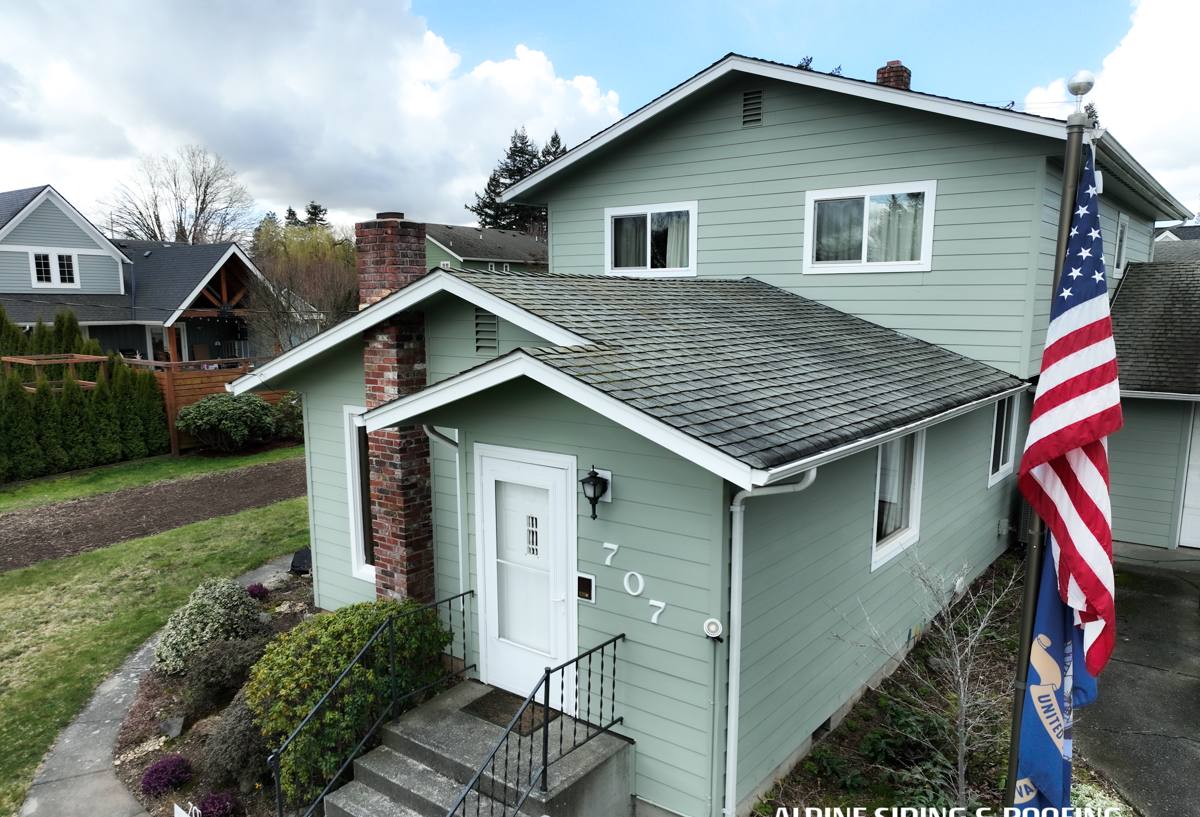
What the Local Climate Actually Does to a Roof
Before talking about materials or process, it helps to understand what a roof in this area is up against, because it drives every decision we make.
Wind
Pinellas County sits in one of the highest wind-load zones in the state under the Florida Building Code. Safety Harbor's position on the bay doesn't shield it from hurricane-force gusts — if anything, open water exposure can funnel wind. Roofs need uplift resistance built in at the deck, the underlayment, and the covering, not just at the shingle or tile itself.
UV Exposure
Florida gets more direct sun hours per year than almost anywhere else in the continental U.S. UV breaks down asphalt oils, dries out sealants, and fades color faster here than it would in a milder climate. A roofing product's published lifespan is usually a national average — in this sun, real-world performance runs shorter unless the materials and installation account for it.
Wind-Driven Rain
Florida storms rarely drop rain straight down. Wind pushes it sideways and up under laps, ridge caps, and flashing that would stay dry in a calmer climate. This is why underlayment selection and flashing detail work matter as much as the shingle or tile brand on the surface.
Salt Air
Being close to Old Tampa Bay means airborne salt settles on roofing metal, fasteners, and vent components. Over time, unprotected or lower-grade metal corrodes faster than it would even a few miles inland. Fastener and flashing material choice is a real decision here, not an afterthought.
What a Correct New Roof Installation Involves
A new roof is more than removing old material and nailing down new material on top. Done right, it's a system, and every layer has a job.
Tear-Off and Deck Inspection
We remove the existing roofing down to the deck. This is the only point in the project where the deck itself — the plywood or OSB sheathing the whole system attaches to — can actually be inspected and, if needed, repaired. Skipping a full tear-off (or only doing a partial one) means soft, rotted, or delaminated deck sections can get covered up and hidden until they cause a bigger problem later.
Deck Repair and Fastening
Any damaged sheathing gets replaced. In high wind-load areas like Pinellas County, deck fastening patterns matter for uplift resistance — this is often re-nailed to current code requirements as part of a full replacement, not just left as-is from whenever the home was built.
Underlayment
This is the roof's real waterproofing layer, and it's what stands between your home and water intrusion during wind-driven rain. We use underlayment systems suited to the storm exposure here rather than the cheapest option that technically passes.
Flashing
Flashing around chimneys, vents, skylights, walls, and roof-to-wall transitions is where the vast majority of roof leaks actually start — not out in the open field of the roof. Correct flashing work takes more time and skill than laying shingles or tile, and it's where a lot of corner-cutting happens on rushed jobs.
The Roof Covering
Shingles, tile, or metal — whichever system fits the home — installed to manufacturer specification and Florida Building Code wind-uplift requirements, with attention to nailing patterns, exposure, and starter courses that get skipped when a crew is moving too fast.
Ventilation
Proper attic ventilation keeps heat and moisture from building up under the deck. In this climate, poor ventilation shortens the life of the roofing material from underneath, even if the top side looks fine.
Our Process for a Safety Harbor Installation
- On-site inspection and estimate: We look at the current roof, the deck condition where visible, and the home's specific exposure before quoting anything.
- Material selection conversation: We walk through options and trade-offs honestly, based on your budget, the home's style, and how the roof will actually hold up in this exposure.
- Permitting: New roof installations in Pinellas County and the City of Safety Harbor require a permit and inspection. We handle this as part of the job.
- Protection of the property: Landscaping, driveways, and the yard get covered or protected before tear-off begins.
- Tear-off and deck inspection.
- Deck repair and re-fastening, as needed.
- Underlayment and flashing installation.
- Roof covering installation to code.
- Cleanup: Magnetic sweep for nails, debris removal, and a final walkthrough with you.
- Final inspection: Coordinated with the local building department to close out the permit.
Choosing a Roofing System for This Area
There's no single "best" roof for every Safety Harbor home — it depends on the structure, the roof pitch, your budget, and how long you plan to be in the home. Here's an honest comparison of the common options for this climate.
| Roofing Type | Wind/Storm Performance | Maintenance | Typical Lifespan Here |
|---|---|---|---|
| Architectural Asphalt Shingle | Good, when installed with proper nailing pattern and rated underlayment | Low; periodic inspection | 15–25 years in this UV and salt exposure |
| Concrete or Clay Tile | Very good uplift resistance when properly fastened; heavier structural load | Low; occasional cracked tile replacement | 30+ years, underlayment usually needs replacement sooner |
| Standing Seam Metal | Excellent uplift resistance; performs well in wind-driven rain | Low; check fastener condition near the bay | 40+ years with coastal-grade fasteners and finish |
Cost differences between these systems are real and significant — metal and tile both cost more upfront than shingle — but the right choice comes down to what the structure can support, what the budget allows, and how long you want to go before doing this again. We'll give you straight numbers for your specific roof rather than a generic price range that doesn't mean much until someone's actually looked at your home.
Why a Local Crew Matters Here
Roofing crews that mainly work inland Pinellas County or the Tampa side of the bay aren't wrong about roofing in general — but they may not have hands-on repetition with how bay-adjacent exposure behaves on real Safety Harbor roofs over time. A crew that regularly works this specific area knows:
- Which fastener and flashing grades hold up against salt air here versus a few miles inland
- How local wind exposure from the open bay factors into uplift planning
- The permitting process and inspection expectations for the City of Safety Harbor and Pinellas County
- What older Safety Harbor homes typically have under the existing roof covering, so there are fewer surprises at tear-off
That familiarity translates into fewer surprises mid-project, a more accurate estimate up front, and a roof that's actually built for the conditions it will face, not just built to a generic spec sheet.
Signs You May Need a New Roof, Not a Repair
Not every roof problem calls for full replacement. But there's a point where repair stops being the honest recommendation. Watch for:
- Multiple past repairs in different areas of the roof rather than one isolated issue
- Shingles that are cracked, curling, or losing granules across large sections, not just one spot
- Visible sagging anywhere in the roofline
- Daylight visible through the attic decking
- A roof approaching or past the upper end of its expected lifespan for this climate
- Recurring leaks after storms even after flashing repairs
We'll tell you honestly if a repair is the right call instead of a full replacement — a new roof is a major expense, and we're not going to push one when it isn't warranted.
Insurance and Permitting Notes for Safety Harbor Homeowners
If your new roof is being driven by storm damage, your insurance carrier will typically require documentation of the damage and may have its own inspection process before and after the work. We can walk you through what documentation is usually needed, though the final call on coverage is always between you and your insurer. Separately, any new roof installation in Pinellas County requires a building permit and final inspection — this isn't optional, and it protects you as the homeowner by confirming the work meets current wind and building code before it's signed off.
Get a Free, No-Pressure Estimate
If your Safety Harbor roof is showing its age, took storm damage, or you're just planning ahead, we're glad to come take a look and give you a straight answer — no pressure, no pushy sales pitch. Use the form below to request a free estimate, and we'll walk the roof with you and talk through what actually makes sense for your home.