 Largo Siding
 Redington Shores Sits Right at the Edge of What Siding Can Handle
Redington Shores is a barrier island community, which means the siding on these homes deals with a harsher version of Florida's weather than homes just a few miles inland in Largo. The Gulf is close enough that salt air reaches every wall, every day, whether or not a storm is anywhere near the coast. Add in wind-driven rain that comes sideways off the water, intense year-round UV that never really lets up, and the real chance of hurricane-force winds during the season, and you have a combination that ages siding faster than almost anywhere else in Pinellas County.
That's not a reason to panic about your siding — it's a reason to repair it correctly the first time. A patch job that ignores the coastal environment tends to fail again within a year or two. A repair that accounts for salt exposure, moisture intrusion, and wind uplift can genuinely extend the life of your siding system for years.
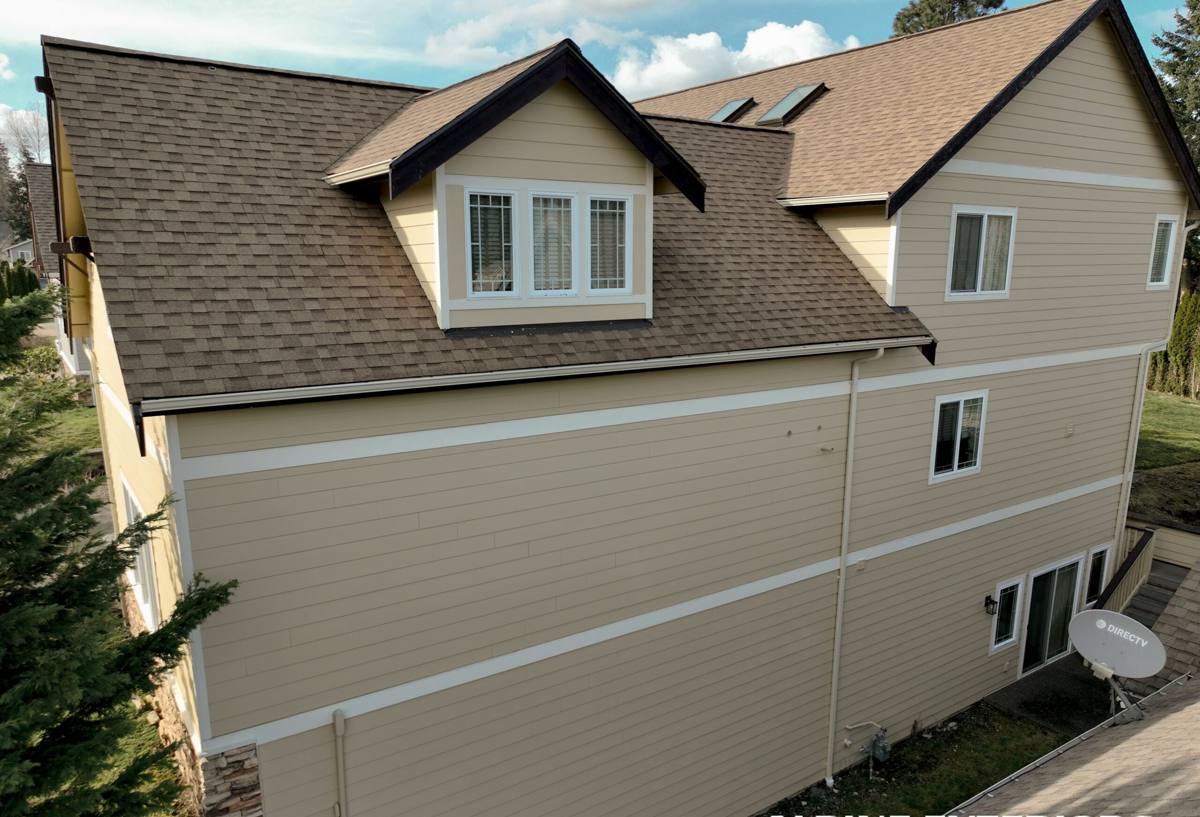
What Coastal Exposure Actually Does to Siding
Homeowners often assume siding damage comes from one big event — a storm, a fallen branch. In Redington Shores, it's usually the slow, constant stuff that does the most damage:
- Salt air corrosion — salt crystals settle into seams, fasteners, and any exposed edge, accelerating rust on metal fasteners and breaking down caulk and sealant faster than inland homes experience.
- UV breakdown — constant sun exposure fades paint, dries out caulk joints, and makes some siding materials brittle at the surface over time.
- Wind-driven rain intrusion — rain that hits siding at an angle finds every gap, lap joint, and nail hole that wasn't sealed with the coast in mind, pushing moisture behind the siding instead of shedding off the surface.
- Wind uplift and impact — hurricane-force gusts stress fastening points and can lift or crack panels that were installed with standard, non-coastal spacing and fastening.
None of this means siding is a lost cause on the island. It means the repair has to be matched to the actual cause of the damage, not just the visible symptom.
Signs Your Siding Needs Repair — Not Just a Look
Subtle signs worth a closer look
Small issues are easy to miss from the ground, but they're the ones that are cheapest to fix early. Watch for hairline cracks at panel edges, caulk that has pulled away or gone chalky, slightly warped or bowed boards, and rust streaking below fasteners. Any of these can be a sign that moisture or salt has already started working its way into the wall assembly.
Signs that need attention soon
Soft spots when you press on the siding, visible gaps at seams or corners, panels that have separated from the wall, and staining or a musty smell on interior walls near an exterior wall are all signs the damage has moved past cosmetic. At this stage, the repair needs to include an inspection of what's happening behind the siding, not just what's visible on the surface.
What a Correct Siding Repair Actually Involves
A repair that's done right in a coastal environment like Redington Shores is more than swapping out a damaged board. It's a short diagnostic and correction process:
1. Find the actual cause
Damaged siding is often a symptom, not the problem itself. We look at flashing, caulking, fastener condition, and the house wrap or moisture barrier behind the siding before deciding what needs to be replaced. Replacing a board without fixing the reason it failed just means the same repair again in a year or two.
2. Match the material and profile
Mismatched replacement boards are one of the most common repair mistakes we see — different thickness, different exposure reveal, or a different factory finish that fades differently over time. Getting the match right matters both for how the wall performs and how it looks once it's done.
3. Rebuild the water management, not just the surface
Correct flashing at joints, properly lapped house wrap, and sealant rated for exterior, coastal use are what keep wind-driven rain from getting behind the new siding. Skipping this step is why so many quick patch jobs fail again after the next storm season.
4. Fasten and finish for wind exposure
In an area that sees hurricane-force gusts, fastener type, placement, and spacing all matter more than they would inland. We fasten repairs to hold up to the wind loads this specific location actually sees, not just a generic standard.
Repair or Replace? How We Help You Decide
Not every damaged section needs a full re-side, but sometimes a repair is really just delaying an inevitable, more expensive replacement. Here's the general framework we use when we inspect a home:
| Situation | Usually a Repair | Usually Replacement |
|---|---|---|
| Damage location | Isolated to one or two sections | Widespread across multiple walls |
| Underlying moisture barrier | Intact, undamaged | Compromised or missing in multiple areas |
| Age of existing siding | Well within expected lifespan | At or past the end of its service life |
| Material match available | Yes, close color and profile match | No — original product discontinued or badly faded |
| Cause of damage | One-time event (impact, isolated leak) | Ongoing exposure issue affecting the whole system |
We'll always tell you honestly which category your home falls into. If a repair is the right call, that's what we'll recommend — a full replacement isn't the answer to every problem, and we'd rather earn your trust with an honest assessment than sell a bigger job than you need.
Our Process for Redington Shores Homes
Because we work regularly in this area, we already understand what the salt air, sun, and wind do to homes this close to the Gulf, so the inspection moves faster and catches more than a generic once-over would. Our process is straightforward:
- On-site inspection of the damaged area and the surrounding siding, including a look at flashing, caulk condition, and fastener corrosion.
- A plain-English explanation of what's causing the damage and whether repair or replacement makes sense.
- A written estimate that lays out material, labor, and scope — no vague allowances.
- The repair itself: removal of damaged material, correction of the underlying cause, and installation matched to the existing siding's look and performance.
- A final check of caulking, flashing, and fastening before we call the job done.
Why We Repair and Install With James Hardie Fiber Cement — Nothing Else
Our company installs and repairs with James Hardie fiber cement siding exclusively. We don't install vinyl, LP SmartSide, Cemplank, Allura, or untreated wood siding, and there's a reason that's a firm standard rather than a preference.
In a coastal environment like Redington Shores, the material itself has to hold up to salt air, UV, and moisture without constant babying. Fiber cement doesn't rot, doesn't attract termites, and won't warp or delaminate the way some engineered wood products can if moisture gets behind them. James Hardie's ColorPlus factory finish is baked on and formulated to resist the fading that constant Florida sun causes to field-painted or vinyl siding — that matters a lot on a home that gets full sun exposure most of the year. Hardie's HZ5 product line is specifically engineered for hot, humid, coastal climates like ours, and the company backs it with a strong, transferable warranty.
None of this means other siding materials are worthless products — vinyl and engineered wood siding both have a place, and plenty of homes across the country are sided in them. But for the specific combination of salt air, sun, and wind that Redington Shores homes face, we've made fiber cement our standard because it's what we're comfortable standing behind long-term.
Why Local Experience Matters for a Repair Like This
Siding repair on a barrier island home isn't quite the same job as siding repair a few miles inland. A crew that mostly works inland Largo or Pinellas County neighborhoods may not think twice about caulk rated for coastal salt exposure, or fastener corrosion resistance, or the wind-load differences this close to open water. Those aren't dramatic differences, but they're exactly the kind of detail that determines whether a repair holds up through one storm season or five.
We work in this area regularly, so we're not learning the local conditions on your dime — we already know what tends to fail first on a Redington Shores home and why, and we build the repair around that.
Before You Call for an Estimate: A Quick Homeowner Checklist
- Walk the exterior and note any soft spots, visible gaps, or areas where caulk has cracked or pulled away.
- Check for rust streaking below fasteners or nail heads — an early sign of corrosion in coastal air.
- Look inside near exterior walls for staining, bubbling paint, or a musty smell, which can indicate moisture has already gotten behind the siding.
- Note how long it's been since the siding was last painted or resealed, if it's a material that requires it.
- Take photos of anything that concerns you before your estimate visit — it helps us see how the damage has progressed over time.
- Avoid caulking over visible damage yourself before an inspection; it can hide the real extent of the problem from an inspector.
Get an Honest Look at Your Siding
If your Redington Shores home has siding that's cracking, gapping, staining, or just showing its age faster than it should, it's worth getting an honest, no-pressure look before the next storm season adds to the problem. We'll tell you straight whether you need a repair or a replacement, walk you through what's causing the damage, and give you a clear estimate — using the free estimate form on this page is the easiest way to get started.