 Largo Siding
 Oldsmar Sits Right in the Path of Tampa Bay Weather
Oldsmar's location on the northern shore of Old Tampa Bay puts every roof in the area under a specific kind of pressure. The bay funnels wind during frontal passages and tropical systems, homes here catch more direct gusts than roofs set further inland, and the humidity and salt content in the air off the bay accelerate wear on fasteners, flashing, and granule coatings. Add in the intense, near year-round Florida UV load and the wind-driven rain that comes with almost every summer storm, and you have a roof that's aging faster than the shingle warranty label suggests.
None of that means an Oldsmar roof is doomed — it means the repair work has to account for those conditions instead of treating every job like a generic patch. We work storm damage calls throughout Pinellas County, including Oldsmar, and the repairs that hold up long-term are the ones that respect what this climate actually does to a roof system, not just what's visible from the ground.
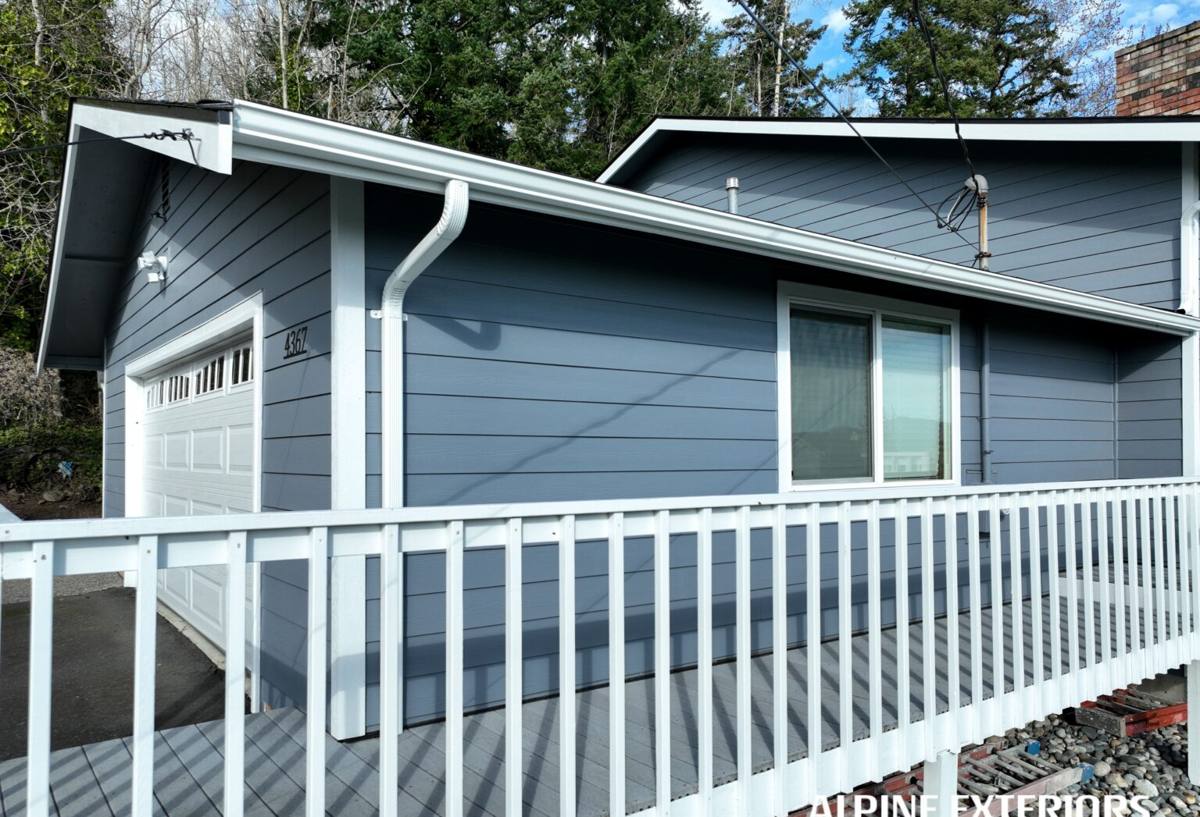
What Storm Damage Actually Looks Like on a Roof
Storm damage isn't always a hole you can spot from the driveway. Most of the damage we find on Oldsmar roofs after wind events falls into a handful of categories:
- Wind-lifted or creased shingles — tabs that have been pried up and re-seated by the wind, breaking the seal strip even if the shingle looks intact
- Torn or missing shingles — usually along ridges, hips, and roof edges, where wind uplift is strongest
- Flashing failures — around chimneys, skylights, vent pipes, and wall-to-roof transitions, where sealant and metal work loose under repeated flexing
- Granule loss — from wind-driven rain and hail impact, which exposes the asphalt mat underneath to UV and accelerates aging
- Soffit and fascia damage — wind can pull these loose or drive rain behind them, which opens a path for water and pests
- Underlayment and deck moisture — often invisible until it shows up as a ceiling stain weeks or months later
The tricky part is that a roof can lose its wind rating and start leaking well before any of this is visible from the street. That's why storm damage repair starts with an actual inspection, not a drive-by guess.
Signs It's Time for a Storm Damage Inspection
If Oldsmar has been through a strong storm cell, a tropical system, or even a run of hard afternoon thunderstorms, it's worth checking for these before assuming everything's fine:
- Shingle tabs that look "wavy," lifted, or out of line with the rest of the field
- Granules collecting in gutters or at the base of downspouts
- A new or worsening ceiling stain, especially near exterior walls or skylights
- Visible daylight or gaps around flashing when viewed from the attic
- Soffit panels that are sagging, stained, or loose
- Debris damage — branch strikes, dented vents, or dislodged ridge caps
- A musty smell in the attic after a rain event, which points to trapped moisture
Any one of these on its own might be minor. Several together usually mean water has found a way in, or is about to.
Our Storm Damage Repair Process
We keep the process straightforward because homeowners dealing with storm damage don't need more complexity added on top of what they're already managing.
1. On-Site Inspection
We walk the roof (not just the ground) and check the attic from inside where access allows. Wind damage is often easiest to confirm from underneath the deck, where you can see daylight, staining, or wet insulation that isn't obvious from a shingle-level look.
2. Written Scope and Photos
You get a clear, itemized description of what's damaged and what it takes to fix it — not a vague "roof needs work" summary. This documentation also matters if you're filing an insurance claim.
3. Repair or Replace Recommendation
We tell you honestly whether the damage is a targeted repair or whether it's extensive enough that a full section — or the whole roof — makes more sense. We don't pad a repair into a replacement, and we don't patch something that needs to come off.
4. The Work Itself
Matching shingles, resealing or replacing flashing, rebuilding damaged deck sections, and restoring the wind seal on every affected shingle course — done to hold up to the next system, not just pass a quick look.
5. Final Walkthrough
We show you what was done and where, so you're not left guessing what "repaired" actually covered.
Repair or Replace? What Actually Drives the Decision
Homeowners often ask us to just tell them a number before we've even looked at the roof, but the honest answer depends on a few specific factors. Here's what we weigh:
| Factor | Favors Repair | Favors Replacement |
|---|---|---|
| Extent of damage | Isolated to one slope or section | Spread across multiple slopes or the whole field |
| Roof age | Under 10-12 years, shingles still flexible | Nearing or past expected lifespan, brittle shingles |
| Deck condition | Dry, sound sheathing | Soft spots, rot, or repeated moisture intrusion |
| Shingle match availability | Discontinued lines can still be reasonably matched | Color or profile mismatch would be obvious |
| Prior repair history | First significant repair | Multiple past patches in different areas |
None of these factors decide it alone — it's the combination that points one way or the other, and we'll walk you through which ones apply to your roof specifically.
Materials and Methods Built for Wind and Salt Air
Because Oldsmar homes take more direct wind exposure off the bay and more sustained UV than a lot of inland Pinellas County, we lean toward materials and installation details that are built for that environment rather than the cheapest code-minimum option:
- High wind-rated shingles — rated and installed to meet or exceed local wind uplift requirements, with proper nailing patterns rather than the minimum fastener count
- Corrosion-resistant flashing and fasteners — salt-laden air breaks down standard metal faster near the water; we use materials suited to that exposure
- Sealed, not just nailed, ridge and hip lines — these are the first areas to lift in high wind and the first place we check on a storm call
- Proper underlayment — a synthetic or self-adhering underlayment gives you a real second line of defense if the shingle layer is ever compromised again
We're straightforward about tradeoffs, too. Some lower-cost materials look fine at install but need more attention over time in coastal conditions — that's a maintenance and longevity conversation we'll have with you up front, not something you find out about after the fact.
Working With Your Insurance Claim
Storm damage repairs frequently involve an insurance claim, and we treat documentation as part of the job, not an afterthought. That means photographing damage before and during repair, providing a written scope that matches what an adjuster needs to see, and being available to answer questions if your carrier wants clarification on the cause or extent of damage. What we won't do is inflate a scope to chase a bigger payout or tell you what to say to your adjuster — our job is an accurate, well-documented repair; the claim decision is between you and your insurer.
Why a Crew That Already Works Oldsmar Matters
Storm damage repair isn't a one-size-fits-all trade. A crew that's already working roofs around Old Tampa Bay knows what wind exposure and salt air actually do to a roof in this specific location, has a sense of realistic timelines when a storm has generated a backlog of calls across Pinellas County, and can get eyes on your roof faster than a company dispatching from across the region. Being local also means accountability — if a repair needs a follow-up visit, we're not a phone number in another state.
After a storm, it's common to get door-knockers and out-of-town crews offering fast, cheap fixes. We'd rather you make an informed choice: check for a proper license, ask for a written scope before any work starts, and be cautious of anyone pressuring you to sign a contract on the spot.
Protecting Your Roof Before the Next Storm
Storm damage repair is also a good moment to catch smaller issues before they become the next claim. A few habits go a long way in this climate:
- Have your roof checked after any named storm or unusually strong wind event, even if nothing looks obviously wrong
- Keep gutters clear so wind-driven rain has somewhere to go besides under your shingles
- Trim back tree limbs that could strike the roof in high wind
- Address small flashing or sealant issues early — they're inexpensive to fix now and expensive to ignore
If your Oldsmar-area home has visible or suspected storm damage, we're glad to take a look and give you a straight answer on what it needs. Reach out for a free, no-pressure estimate using the form below.