 Largo Siding
 Metal Roofing for Kenneth City's Coastal Pinellas Climate
Kenneth City sits in the middle of Pinellas County, close enough to Tampa Bay and the Gulf that every roof in town deals with the same three problems: wind, sun, and salt-laden moisture. A roof here isn't just shedding rain — it's absorbing tropical-strength UV for most of the year, flexing under gusts during storm season, and fighting slow corrosion from air that carries salt even miles inland. Metal roofing, installed correctly, handles all three better than most other roofing materials available to homeowners in this market. Installed incorrectly, it fails faster than a shingle roof would, because the margin for error on flashing, fastening, and panel movement is smaller.
This page covers what a metal roof needs to hold up specifically in Kenneth City and the surrounding Largo area, what a correct installation actually involves, and how we run the job from estimate to final walkthrough.
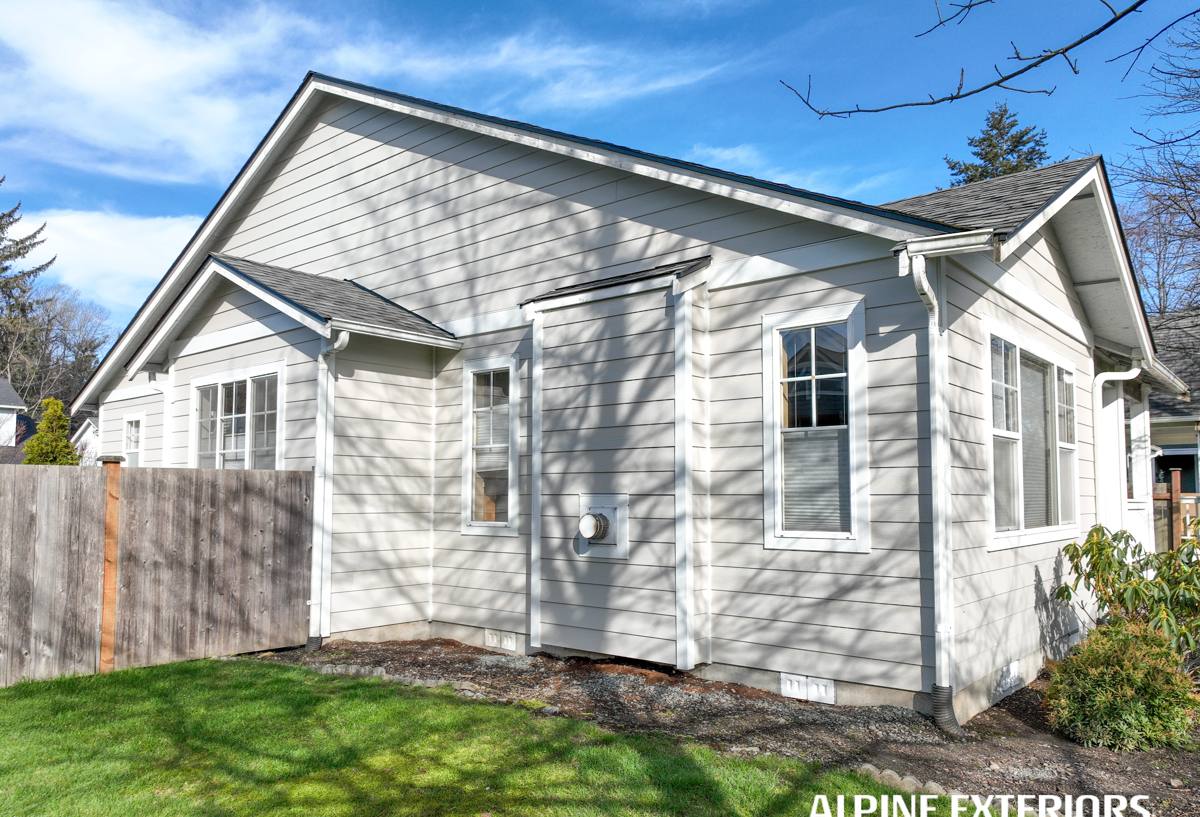
What This Climate Actually Does to a Roof
It helps to be specific about the forces at work, because they drive nearly every decision in a metal roof installation here.
- Hurricane-force wind: Even when a storm doesn't make direct landfall, Pinellas County regularly sees tropical-storm and near-hurricane wind events. Uplift at eaves, ridges, and rakes is where roofs fail first.
- Year-round UV exposure: Florida's sun cycle doesn't give roofing materials an off-season. Coatings, sealants, and paint finishes are under constant thermal and UV load, not just a few summer months.
- Wind-driven rain: Storms here rarely drop rain straight down. Wind pushes water sideways and upward under laps and around penetrations, which is why flashing detail matters more than the panel itself.
- Salt air: Kenneth City isn't beachfront, but Tampa Bay's salt air reaches well inland. Fasteners, flashing metal, and panel coatings all need to be rated for a coastal-adjacent environment, not a generic inland spec.
None of this is unique to metal roofing — every roof type in the area faces it. What's different is that metal rewards a correct install and punishes a shortcut install more visibly than shingles do, usually through fastener backout, panel oil-canning, or corrosion at cut edges within just a few years.
Metal Roofing Systems We Install
"Metal roofing" covers a few distinct systems, and the right one depends on the home, the roof pitch, and the budget. We walk homeowners through the real trade-offs rather than pushing one product for every job.
| System | Best For | Fastening | Typical Longevity |
|---|---|---|---|
| Standing seam (concealed fastener) | Most homes wanting the lowest long-term maintenance | Hidden clips, no exposed screws through the panel face | Longest service life of the common options; fewer future leak points |
| Metal shingles / stone-coated panels | Homeowners who want a shingle or tile look with metal's durability | Exposed or semi-concealed depending on product | Strong performance when installed with correct underlayment and overlap |
| Exposed-fastener panel | Budget-conscious projects, outbuildings, some porch/carport roofs | Screws through the panel face with rubber washers | Shorter than standing seam — washers age and need eventual re-torque or replacement |
For primary residences in this area, we most often recommend standing seam because it has no exposed fasteners for wind-driven rain or UV to work against over time. Exposed-fastener panel systems still have a place — they cost less up front and are a reasonable choice for detached garages, sheds, or budget-limited re-roofs — but we're upfront that they carry more long-term maintenance than standing seam.
What a Correct Installation Actually Involves
The panel itself is the least important variable in whether a metal roof performs in this climate. The details underneath and around it are what determine whether it lasts.
Deck and Underlayment
We inspect the roof deck for soft spots, delamination, or old fastener damage before anything goes down, and replace bad sheathing rather than fastening over it. Underlayment matters more under metal than under shingles — we use a high-temperature synthetic or self-adhered underlayment rated for the sustained heat metal panels can reach in direct Florida sun.
Fastening and Wind Uplift
Fastener pattern and clip spacing are engineered to the wind uplift rating required for the home's location and roof geometry, not just applied at a generic spacing. This is where a lot of cut-rate installs fail — under-spaced clips or fasteners meet code on paper but not the real wind load a coastal-adjacent Pinellas County roof will see over its lifetime.
Flashing and Penetrations
Every valley, wall transition, chimney, vent pipe, and skylight curb is a place where wind-driven rain finds a way in if the flashing is wrong. We custom-fabricate and lap flashing details rather than relying on universal boots and trim wherever possible, because generic trim is a common leak source on metal roofs.
Ventilation
Metal sheds heat differently than shingles, and a roof system that traps humid attic air will corrode fasteners and rot decking from underneath regardless of how good the panels are. We check and correct ridge, soffit, and gable ventilation as part of the job, not as an afterthought.
Wind Rating, Product Approval, and Insurance
Florida requires roofing products to carry a Florida Product Approval or Miami-Dade County Notice of Acceptance rating appropriate to the wind zone, and Pinellas County enforces this through the permitting process. We only install systems with documentation that matches what the county requires, and we pull permits and schedule inspections as part of the job — not as an optional add-on.
Many homeowners also ask about insurance. A properly installed, wind-rated metal roof can qualify for wind mitigation credits on a Florida homeowners policy, which sometimes offsets a meaningful part of the premium over time. We can't quote your specific savings — that's between you and your insurer — but we provide the installation documentation and wind mitigation inspection access needed to make the claim.
How the Project Works, Start to Finish
- On-site estimate. We inspect the existing roof, deck condition, and any problem areas (valleys, low-slope sections, past leak history) and walk through system options and pricing face to face.
- Material selection. We help you weigh standing seam versus shingle-style panels versus exposed-fastener systems against your budget and how long you plan to own the home.
- Permitting. We handle the Pinellas County/local permit application and schedule required inspections.
- Tear-off and deck repair. Old roofing comes off, and any compromised decking is replaced before underlayment goes down — this isn't optional, and we show you what we find.
- Installation. Underlayment, panels, clips or fasteners, and custom flashing are installed to the engineered spec for your roof's wind zone.
- Final inspection and walkthrough. We walk the finished roof with you, confirm the county inspection passes, and go over any warranty paperwork.
Cost Factors Homeowners Should Know
Metal roofing costs more up front than asphalt shingles, and the range within metal roofing itself is wide depending on system and roof complexity. Rather than quote a number that won't fit every home, here's what actually drives the price on a Kenneth City project:
- System type — standing seam runs higher than exposed-fastener panel for the same square footage.
- Roof complexity — valleys, dormers, multiple pitches, and penetrations all add labor and custom flashing work.
- Deck condition — plywood or sheathing replacement is priced separately from the roofing system itself.
- Tear-off scope — how many existing layers need removal, and any disposal requirements.
- Ventilation corrections — adding or fixing ridge/soffit ventilation as part of the job.
We break all of this out in the written estimate so you can see exactly what you're paying for, not a single bundled number.
Signs Your Current Roof Is Ready for Metal
Homeowners usually reach out for one of a few reasons. If any of these sound familiar, it's worth a conversation:
- Your asphalt shingle roof is past 15-20 years old and showing granule loss, curling, or repeated repair needs after storms.
- You've had wind damage or missing shingles more than once in the last few storm seasons.
- You're planning to stay in the home long-term and want to stop re-roofing every couple of decades.
- You're trying to improve wind mitigation standing for insurance purposes.
- You want lower attic heat gain — metal reflects more solar radiant heat than dark asphalt shingles.
Why a Crew That Already Works in Kenneth City Matters
Roofing code requirements, wind zone ratings, and permitting steps vary by jurisdiction, and a crew that regularly works Pinellas County homes already knows the local permitting office, the inspection process, and the wind uplift standards that apply here — instead of learning them on your job. Familiarity with the area also means we're realistic about the conditions your roof will actually face: salt air, storm frequency, and the mix of home styles common in and around Largo and Kenneth City. That translates into fewer surprises during the permit process and a roof detailed for the conditions it will actually see, not a generic spec.
If you're weighing metal roofing for a home in Kenneth City, we're happy to take a look and give you a straightforward, no-pressure estimate — including an honest read on whether metal is the right fit for your roof, budget, and timeline. Use the form below to get started.