 Largo Siding
 Belleair Bluffs Sits Right Where Florida's Roofing Problems Overlap
Belleair Bluffs is a small community, but it sits in a tough spot for a roof. It's close enough to the Intracoastal Waterway that salt air is a daily factor, exposed enough to catch the full force of storms moving in off the Gulf, and — like the rest of Pinellas County — under a sun that beats down on rooftops nearly every day of the year. A roof here isn't just shedding rain. It's fighting hurricane-force wind gusts, constant UV degradation, wind-driven rain that gets pushed sideways into every seam and edge, and a slow, steady corrosion process from salt-laden air that never really stops. Asphalt shingles are engineered for a national market and only partially account for any of that. Metal roofing, installed correctly for this specific environment, is built to handle all four at once.
This page is about metal roofing for homes in and around Belleair Bluffs specifically — what the local climate demands from the system, what a correct installation actually looks like, and how we approach the job differently because we already work in this area.
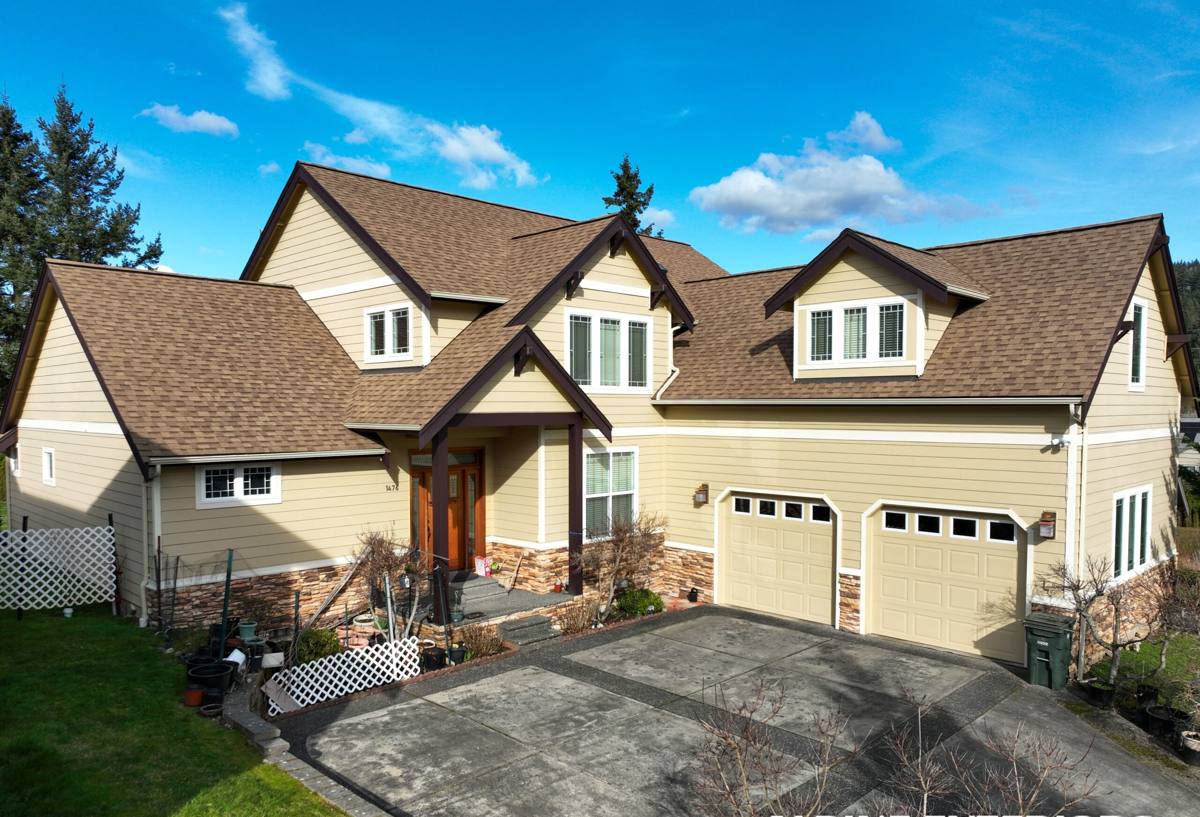
Why Metal Roofing Fits This Part of Pinellas County
Wind resistance
Standing seam metal roofing, when installed with the correct clip spacing and fastening pattern, is rated to withstand significantly higher wind uplift than standard asphalt shingles. That matters directly in Belleair Bluffs, where storm systems moving through the Gulf can bring sustained hurricane-force winds and even stronger gusts. A properly fastened metal roof resists the uplift forces that tear shingles off edge-first, and it doesn't leave behind a layer of tabs and granules to become wind-borne debris in your own yard or your neighbor's.
UV and heat exposure
Florida sun is relentless, and it's not just a comfort issue — it's a material degradation issue. Asphalt shingles lose their granules and oils to UV breakdown over years of exposure, which is a big part of why they age faster here than in cooler climates. Metal roofing with a quality factory-applied coating resists UV breakdown far better, and many coatings reflect a meaningful share of solar heat rather than absorbing it, which can ease the load on your attic and your air conditioning during Pinellas County's long cooling season.
Salt air and corrosion
This is the factor homeowners furthest from the water tend to underestimate. Belleair Bluffs' proximity to the Intracoastal means airborne salt is a constant, low-grade presence on every exterior surface, including the roof. Not every metal roofing product handles that equally well. Bare or poorly coated steel can corrode faster in a salt-air environment, which is exactly why material choice and coating quality aren't places to cut corners on a coastal job. We factor proximity to the water into the material recommendation for every roof we quote here — it genuinely changes what we recommend.
Choosing the Right Metal Roofing System
"Metal roofing" isn't one product — it's a category, and the right choice depends on your home, your budget, and how close you are to the water. Here's how the common options compare for a coastal Pinellas County home:
| System | Wind performance | Salt-air suitability | Typical lifespan | Look |
|---|---|---|---|---|
| Standing seam (concealed fastener) | Highest — fasteners are hidden and protected under the seam | Best, especially in aluminum | 40-70 years | Clean vertical panel lines, modern or traditional |
| Exposed-fastener metal panel | Good, but fasteners are exposed to weather and need re-torquing over time | Fair — fastener washers are the weak point in salt air | 25-40 years | Ribbed panel, more of a utilitarian look |
| Metal shingles / stone-coated steel | Good, individual panels interlock | Good with proper coating | 30-50 years | Mimics shake, tile, or slate |
For homes closer to the water — which includes most of Belleair Bluffs — we typically steer homeowners toward standing seam in aluminum or a high-quality coated steel, simply because the concealed fastening system removes the most common failure point in a salt-air environment: exposed screws and washers that loosen or corrode over the decades.
What a Correct Metal Roof Installation Actually Involves
Metal roofing performs the way it's supposed to only when every layer underneath it is done right. A metal panel is not a waterproofing system on its own — it's the top layer of a system that includes several parts most homeowners never see:
Deck and underlayment
We inspect the roof deck for soft spots or water damage before anything goes down, and we use a synthetic or self-adhering underlayment rated for high-heat, high-wind conditions underneath the panels. In a wind-driven rain event, this layer is what keeps water out if it ever gets past the panel seams at an edge or penetration.
Fastening and clip spacing
Wind rating isn't a property of the metal itself — it's a property of how it's attached. Clip spacing, fastener type, and panel-to-panel seam engagement all have to match the wind load the roof is expected to handle. This is where a rushed or inexperienced install shows up first, usually years later during the next big storm.
Flashing and penetrations
Chimneys, vent stacks, skylights, and valleys are where most roof leaks actually start, on any roofing system. Metal roofing requires flashing details specific to the panel profile — generic flashing details borrowed from shingle work don't seal correctly against a standing seam panel.
Ventilation
A metal roof still needs a properly ventilated attic underneath it. Without adequate intake and exhaust airflow, heat and moisture can build up under the deck regardless of what's on top of it, which shortens the life of the wood structure and can void material warranties.
Our Process for a Belleair Bluffs Roof
- On-site assessment. We inspect the existing roof, deck condition, ventilation, and any problem areas — valleys, chimneys, low-slope sections — before recommending a system.
- Material and system recommendation. Based on how exposed your home is to wind and salt air, we recommend a panel type and coating suited to that specific exposure, not a one-size-fits-all product.
- Permitting. Roofing work in Largo and unincorporated Pinellas County requires a permit and inspection. We handle that process rather than leaving it to the homeowner.
- Tear-off or overlay decision. In most cases a full tear-off is the right call for metal roofing — it lets us inspect and repair the deck rather than fastening a new system over hidden problems.
- Installation. Deck repair as needed, underlayment, panel installation to the fastening specification for the wind rating required, flashing, and trim.
- Final walkthrough and inspection. We review the completed roof with you and it goes through the required county or city inspection before the job is closed out.
What Metal Roofing Costs — and What Actually Drives the Price
Metal roofing costs more upfront than asphalt shingles, and the honest answer to "what will it cost" is that it depends on the variables below more than on any flat per-square-foot number.
| Cost factor | Why it matters |
|---|---|
| Panel material (aluminum vs. steel) | Aluminum resists salt-air corrosion better and costs more; steel costs less but coating quality matters more the closer you are to the water |
| System type | Standing seam costs more than exposed-fastener panel due to labor and material differences |
| Roof complexity | Valleys, dormers, multiple roof planes, and steep pitches all add labor time |
| Deck condition | Rotted or damaged decking found during tear-off adds repair cost but is far cheaper to fix now than after a leak |
| Coating and warranty tier | Higher-grade coatings resist fading and chalking longer, which affects both price and long-term appearance |
Because a metal roof is meant to last decades, it's worth thinking about the total cost over that lifespan rather than only the installed price — fewer replacements, less storm-related repair, and lower cooling costs from a reflective surface all factor into the real math.
Keeping a Metal Roof Sound in a Coastal Climate
Metal roofing is low-maintenance compared to shingles, but "low" isn't "none," especially this close to the water. A short annual routine goes a long way:
- Rinse off accumulated salt residue and debris, particularly after long dry stretches without rain
- Clear gutters and downspouts so wind-driven rain has somewhere to go rather than backing up under the eave
- Check exposed fasteners (on panel types that have them) for loosening or early corrosion
- Look at flashing around chimneys, vents, and skylights for gaps or sealant that's dried out
- After any major storm, do a visual check from the ground for lifted panels, dented sections, or debris strikes
- Trim back overhanging branches that can scratch coatings or drop debris during wind events
Why Hiring a Crew That Already Works Belleair Bluffs Matters
Metal roofing done wrong doesn't usually fail on day one — it fails quietly over years, in the fastening pattern that wasn't quite rated for the wind load, or the flashing detail borrowed from a shingle job that never fully sealed. A crew that installs metal roofs across Largo and the surrounding Pinellas County communities has already worked through the permitting requirements, the wind-load expectations local inspectors check for, and the salt-air material trade-offs that don't show up in a generic install. That's the difference between a metal roof that looks right at handoff and one that's still performing correctly after the next decade of Gulf storms and salt air.
If you're weighing metal roofing for a home in Belleair Bluffs, we're glad to take a look and walk you through what makes sense for your specific roof — no pressure, no obligation. Fill out the form below for a free estimate.