 Largo Siding
 Custom Windows Built for a Barrier Island Climate
Madeira Beach sits right on the Gulf, which means the windows on these homes work harder than windows almost anywhere else in Pinellas County. Salt-laden air, near-constant UV exposure, wind-driven rain, and the occasional hurricane-force gust aren't occasional stressors here — they're daily conditions. A window that's fine for an inland Largo neighborhood a few miles away can fail years early on a Madeira Beach property simply because it wasn't specified for this exposure.
"Custom" in this context doesn't mean fancy shapes or oversized picture windows, though we do plenty of that too. It means matching the glass package, frame material, and installation method to what this specific stretch of coastline actually does to a house. That's the job, and it's what this page walks through.
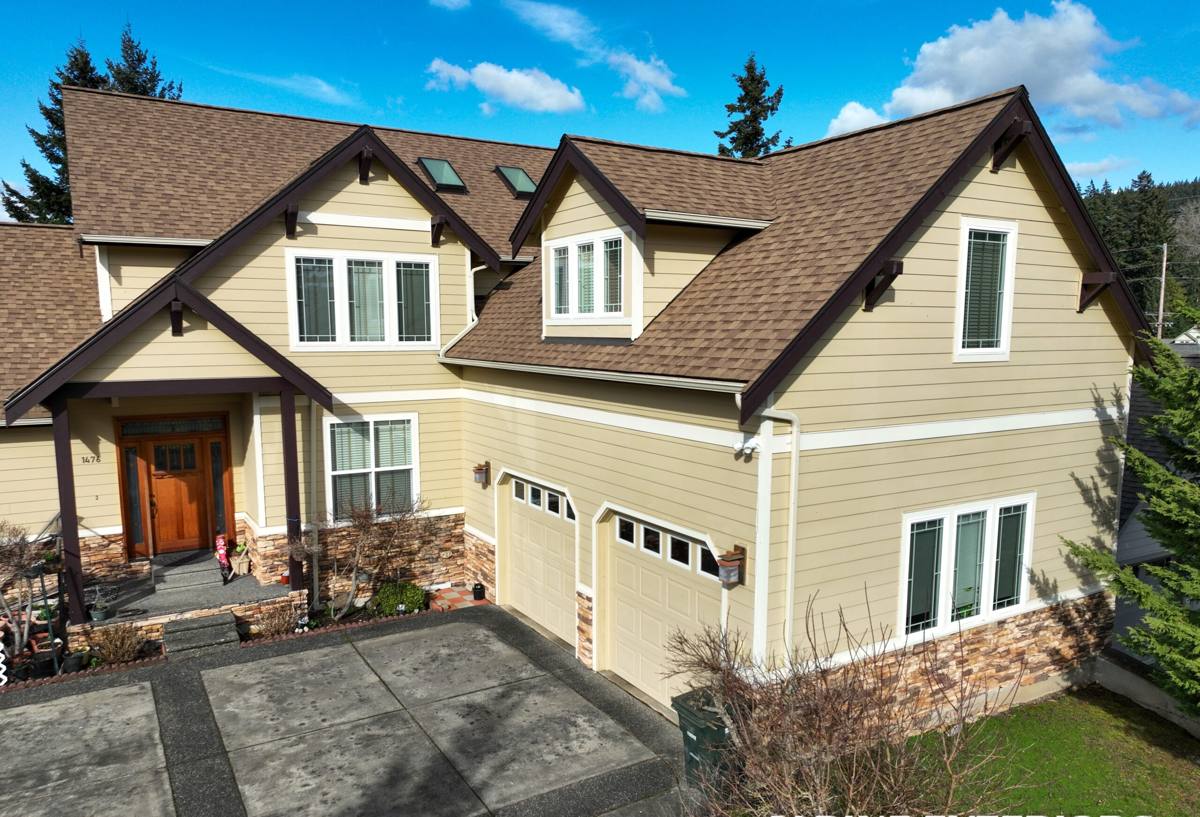
What the Coastal Environment Does to Ordinary Windows
Salt Air and Corrosion
Airborne salt settles on hardware, frames, and fasteners. Over time it accelerates corrosion on anything not rated for coastal use — cheap hinges pit, screws seize, and aluminum components can develop white corrosion (oxidation) if the alloy and finish weren't chosen for marine exposure. This is one of the most common reasons we see premature window failure on the beach side of Pinellas County: the product was a fine window, just not a coastal one.
UV Exposure
Florida sun year-round breaks down vinyl, degrades seals, and fades interior finishes faster than in most of the country. Low-E glass coatings and UV-stabilized frame materials matter more here than in a lot of markets, because the sun exposure is relentless and doesn't really let up in winter the way it does farther north.
Wind-Driven Rain
Storms here don't just bring rain, they push it sideways into every gap in a window assembly. A window can be watertight in a lab test and still leak on a real house if the flashing and sealant details around it weren't done correctly. Most of the "window leaks" we get called out for aren't actually a failed window — they're a failed installation around a decent window.
Wind Load and Debris
Coastal Pinellas County properties fall under wind-borne debris protection requirements in the Florida Building Code, and homes close to the water like those in Madeira Beach are squarely in that zone. That affects glass thickness, frame anchoring, and in many cases requires impact-rated glazing or approved shutter protection on new or replacement windows.
Choosing the Right Frame Material
There's no single "best" frame material — it depends on budget, maintenance tolerance, and how close the home sits to the water. Here's how the common options actually compare for this specific environment.
| Frame Material | Coastal Performance | Maintenance | Typical Trade-Off |
|---|---|---|---|
| Vinyl (impact-rated) | Good — won't corrode, needs UV-stabilized formulation | Low | Lower cost, limited color/finish options over time |
| Aluminum (marine-grade) | Strong once properly finished; standard mill aluminum corrodes faster near salt air | Moderate | Narrower sightlines, higher cost for true marine-grade finish |
| Fiberglass | Excellent — very stable in heat and salt exposure | Low | Highest upfront cost |
| Wood-clad | Poor to fair unless heavily maintained | High | We generally don't recommend it this close to the Gulf — the maintenance burden and moisture risk outweigh the look for most owners |
We're upfront when a material isn't a fit for a given property. Wood-clad windows, for instance, can look great, but on a home a few blocks from the water, the moisture and salt exposure mean an owner is signing up for a lot more upkeep than the same window would need a few miles inland. That's a maintenance conversation, not a knock on the product — it's just not the right tool for this environment.
What a Correct Custom Window Job Actually Involves
Measuring for the Real Opening, Not the Old Window
Older Madeira Beach homes, especially anything built before more recent code cycles, often have openings that are slightly out of square or sized to a window standard that isn't made anymore. Custom work starts with measuring the actual rough opening and structural condition, not just ordering a replacement for what's currently there.
Sizing and Sightlines
A lot of homeowners here want more glass and better views without changing the footprint of the opening. That's where custom framing and glass configuration earn their keep — getting a larger viewing area out of the same wall opening without compromising structural anchoring.
Glass Package
For this area we typically discuss impact-rated laminated glass, Low-E coatings for heat and UV control, and in some cases tinted or low-reflectivity options depending on sun exposure and HOA or design preferences. The right glass package is a balance of code requirements, energy performance, and budget — not a one-size answer.
Flashing and Sealant Detail
This is the step that separates a window that lasts from one that leaks in three years. Proper flashing integration with the wall's water-resistive barrier, correctly bedded sealant joints, and weep path management around the sill all have to be done in the right order. Skipping or rushing this step is the single most common cause of the "why is water coming in around my new window" calls we get.
Our Process on a Madeira Beach Project
- On-site assessment — we look at the existing openings, wall assembly, current window condition, and sun/wind exposure for each elevation of the house.
- Product and glass selection — we walk through frame material, glass package, and code requirements together, with honest trade-offs on cost versus longevity.
- Measuring and ordering — custom units are measured to the actual opening, not assumed standard sizes.
- Permitting — coastal window replacement in Pinellas County typically requires a permit, and impact-rated products need to be documented for approval. We handle this as part of the job.
- Installation — removal of the old unit, opening prep, correct flashing and sealant sequencing, and structural anchoring to the wind load the location requires.
- Final check and cleanup — operation check on every window, sealant inspection, and site cleanup before we consider the job done.
Why Working Order Matters
Every step above depends on the one before it. An opening that isn't prepped correctly will undermine even the best window and glass package. That's why we don't treat installation as an afterthought to the product sale — for coastal homes, the installation is at least as important as what window gets installed.
Why a Crew That Already Works This Area Matters
Madeira Beach isn't a generic Florida suburb — it's a barrier island with its own building conditions, salt exposure levels, and permitting expectations tied to its location in Pinellas County's coastal wind zone. A crew that regularly works this stretch of the coast already knows what tends to go wrong with older openings here, what glass and frame combinations hold up, and what the local permitting process expects for documentation.
We're based out of Largo and work this coastal corridor regularly, which means we're not learning the local conditions on your project. That translates into fewer surprises mid-installation and a more accurate estimate up front, because we're pricing for what this specific environment actually requires — not a generic inland job.
Signs Your Current Windows Need Attention
- Frames feel warm or drafty near the edges when the AC is running
- Visible corrosion, pitting, or discoloration on hardware or aluminum components
- Fogging or moisture between panes of double-glazed units, indicating a failed seal
- Difficulty opening, closing, or locking that wasn't there a few years ago
- Water staining on interior sills or drywall below window openings after storms
- Visible sun-fading or chalking on vinyl frames
- Rising cooling costs without other explanation, especially on south- or west-facing rooms
Any one of these is worth a look. Several together usually mean the windows are past the point where repair makes more sense than replacement.
Maintaining Custom Windows Once They're In
Coastal-grade windows still need some upkeep to hit their expected lifespan. It's not heavy maintenance, but it's not zero either.
- Rinse frames and tracks periodically with fresh water to clear accumulated salt residue
- Keep weep holes along the sill clear of debris so water can drain out as designed
- Check and re-lubricate hardware annually, especially on operable units near the water
- Inspect exterior sealant joints once a year for cracking or separation
- Address any hardware corrosion early — it's far cheaper to replace a hinge than a frame
Cost Factors to Expect
Pricing for custom coastal windows depends on several variables that aren't always obvious up front: opening size and count, glass package (impact-rated laminated glass costs more than standard), frame material, whether the existing opening needs structural rework, and permitting. Rather than quote a number that won't reflect your actual house, we walk each property and price it based on what's really there — that's the only honest way to do it for custom coastal work.
If your Madeira Beach home's windows are showing their age, or you're planning a renovation and want them done right the first time, we're glad to come take a look. The estimate is free, there's no pressure, and you'll get a straight answer about what your home actually needs — just fill out the form below to get started.