 Largo Siding
 Roof Repair Built for Kenneth City's Climate
Kenneth City sits in the middle of Pinellas County, close enough to the Gulf and Tampa Bay that every roof here deals with the same combination of stresses: intense year-round UV breaking down roofing materials from the top down, wind-driven rain forcing water sideways and upward under flashing and shingle edges, salt air accelerating corrosion on fasteners and metal components, and the periodic threat of hurricane-force winds that can lift shingles, tear flashing loose, or drive debris through a weak spot. None of that is unique to any one street or subdivision in Kenneth City — it's the reality for every roof in this part of Florida. What matters is whether the roof was built and repaired to handle it.
A lot of roof repair calls in this area aren't caused by one dramatic event. They're the result of small weaknesses — a lifted shingle tab, a nail that backed out, a pinhole in flashing — that sat unaddressed through a few UV cycles and storm seasons until they turned into an active leak. Our job is to find those weak points before they become interior damage, and to repair them the right way the first time, not with a patch that fails in the next round of wind-driven rain.
What Kenneth City Homes Typically Need From a Roof Repair
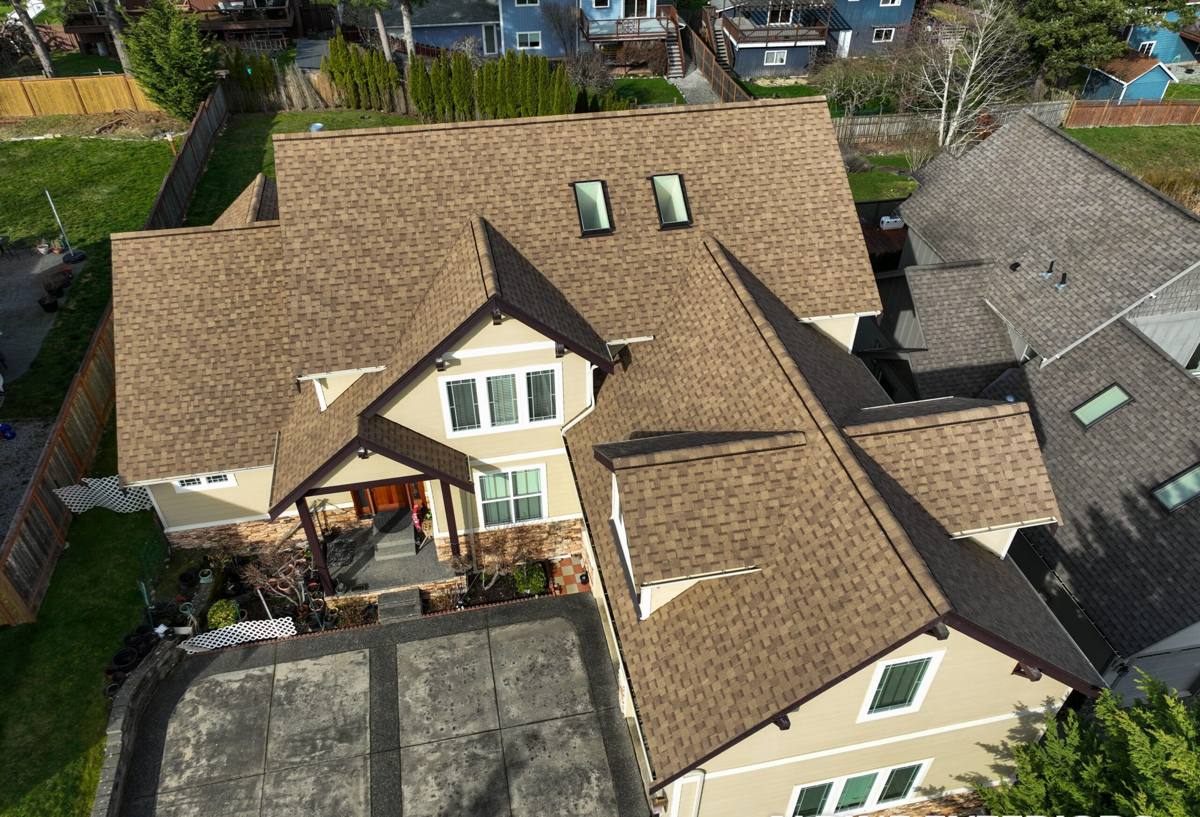
Most of the homes in and around Kenneth City are single-story or low-profile ranch and mid-century construction, which means roofs here tend to have moderate slopes, a mix of asphalt shingle and some tile, and plenty of penetrations — vents, stacks, chimneys, skylights — that are common leak origin points. Because these homes have been through decades of Florida summers, it's common to find:
- Shingles that have lost significant granule coverage from UV exposure, leaving the underlying mat exposed and brittle
- Flashing around chimneys, walls, and roof-to-wall transitions that has thinned, rusted, or pulled away at the seams
- Nail pops and lifted tabs along ridge lines and roof edges, where wind uplift concentrates force
- Sealant around pipe boots and vents that has dried out and cracked, letting wind-driven rain track in sideways
- Soft or discolored decking visible from the attic side, indicating a slow leak that's been active longer than the homeowner realized
The right repair depends entirely on which of these is actually happening — which is why we don't quote roof repair over the phone without seeing the roof.
Why "Just Patch It" Often Isn't Enough Here
In milder climates, a simple sealant patch over a visible leak point can genuinely hold for years. In Pinellas County, that same patch is exposed to far more UV degradation and far more wind-driven rain events per year, so surface-level patches tend to fail faster. A correct repair traces the leak back to its actual entry point — which is often several feet from where the water stain shows up inside the house — and addresses the underlying flashing, fastening, or shingle condition, not just the visible symptom.
What a Correct Roof Repair Involves
A thorough repair on a Kenneth City roof generally follows the same sequence, regardless of whether the damage came from a storm, age, or a slow leak:
- Diagnose from both sides. We inspect the roof surface for the obvious damage, then check the attic or interior ceiling for water tracking, staining, or soft decking that shows where the water is actually traveling — which isn't always directly below the surface damage.
- Identify the true entry point. Wind-driven rain can enter under a shingle tab, along a flashing seam, or through a fastener hole and travel along the decking before it drips through. Repairing the visible spot without finding the real entry point is the most common reason repairs fail.
- Replace, don't just cover. Damaged shingles, deteriorated flashing, and dried-out pipe boot seals get replaced with new material, matched as closely as possible to the existing roof. We don't stack new sealant over failing material and call it done.
- Re-secure for wind uplift. Given how often this area sees strong wind events, we make sure repaired sections are properly fastened to current wind-resistance practice, not just reattached loosely.
- Check the decking. If water has been getting in for a while, the plywood decking underneath may be soft or delaminated. Repairing shingles over compromised decking is a short-term fix that we'll flag honestly rather than paper over.
Our Process, Start to Finish
Homeowners in Kenneth City generally want the same three things from a roof repair: an honest answer about what's actually wrong, a fair price, and a crew that shows up and finishes the job without surprises. Here's how we handle it:
- Free inspection and estimate. We look at the roof and, where relevant, the attic, and explain what we find in plain terms — no pressure, no scare tactics.
- Written scope before any work starts. You'll know exactly what's being repaired, what materials are being used, and what it costs before we touch the roof.
- Repair work scheduled around weather. Roof repairs need a dry work window. We plan around the forecast so materials seal and cure properly rather than rushing a repair into wind-driven rain.
- Cleanup and a final walk-through. Old materials and debris are removed from the property, and we walk the repair with you before we consider the job finished.
Repair vs. Replacement: How We Help You Decide
Not every damaged roof needs a full replacement, and not every leak can be permanently solved with a repair. The honest answer depends on the roof's age, how much of it is affected, and how many prior repairs it's already had.
| Factor | Favors Repair | Favors Replacement |
|---|---|---|
| Roof age | Under roughly 12-15 years | Approaching or past typical shingle lifespan |
| Extent of damage | Localized — one section, one penetration | Widespread granule loss or multiple leak zones |
| Decking condition | Solid, no soft spots found | Soft, delaminated, or repeatedly wet decking |
| Repair history | First or second repair on this roof | Roof has needed frequent patch repairs |
| Storm damage pattern | Isolated wind or debris damage | Widespread uplift or impact across the roof plane |
We'll tell you plainly which side of that table your roof falls on. If a repair is the honest answer, that's what we'll quote — we don't push replacements on roofs that don't need them.
Why It Matters That We Already Work in This Area
A crew that regularly works roofs in Kenneth City and the surrounding Largo area already understands how local construction, roof age, and this specific stretch of Pinellas County's climate interact. That familiarity shows up in practical ways: knowing which flashing details tend to fail first on homes of this era, recognizing what normal UV wear looks like versus a developing leak, and being realistic about how long a given repair should reasonably last given what this roof will keep facing every hurricane season.
It also means we're not learning on your roof. We show up knowing what questions to ask, what to check first, and how to give you a straight answer instead of a guess.
Salt Air and Metal Components
Because Kenneth City is close enough to the coast to get meaningful salt air exposure, metal flashing, fasteners, and vent components corrode faster here than they would further inland. Part of a proper roof repair in this area is checking those metal components specifically — a flashing seam that looks fine on the surface can be rusted through at the fastener points, which is exactly where wind-driven rain finds its way in.
Simple Maintenance That Extends a Repair's Life
Once a repair is done correctly, a few habits help it hold up against Pinellas County's climate year after year:
- Keep gutters and downspouts clear so water isn't backing up under the roof edge
- Trim back overhanging branches that drop debris or create abrasion points during wind
- After any named storm or significant wind event, do a visual check from the ground for lifted shingles or displaced flashing
- Have the roof looked at every couple of years even without an obvious problem — small issues are far cheaper to fix than water damage
- Address any interior ceiling staining right away rather than waiting to see if it spreads
Get a Straight Answer on Your Roof
If you're dealing with a leak, storm damage, or just want a second opinion on a roof that's showing its age, we're happy to take a look. The estimate is free, there's no pressure, and you'll get an honest recommendation on what your roof actually needs — use the form below to get started.